Cart
0
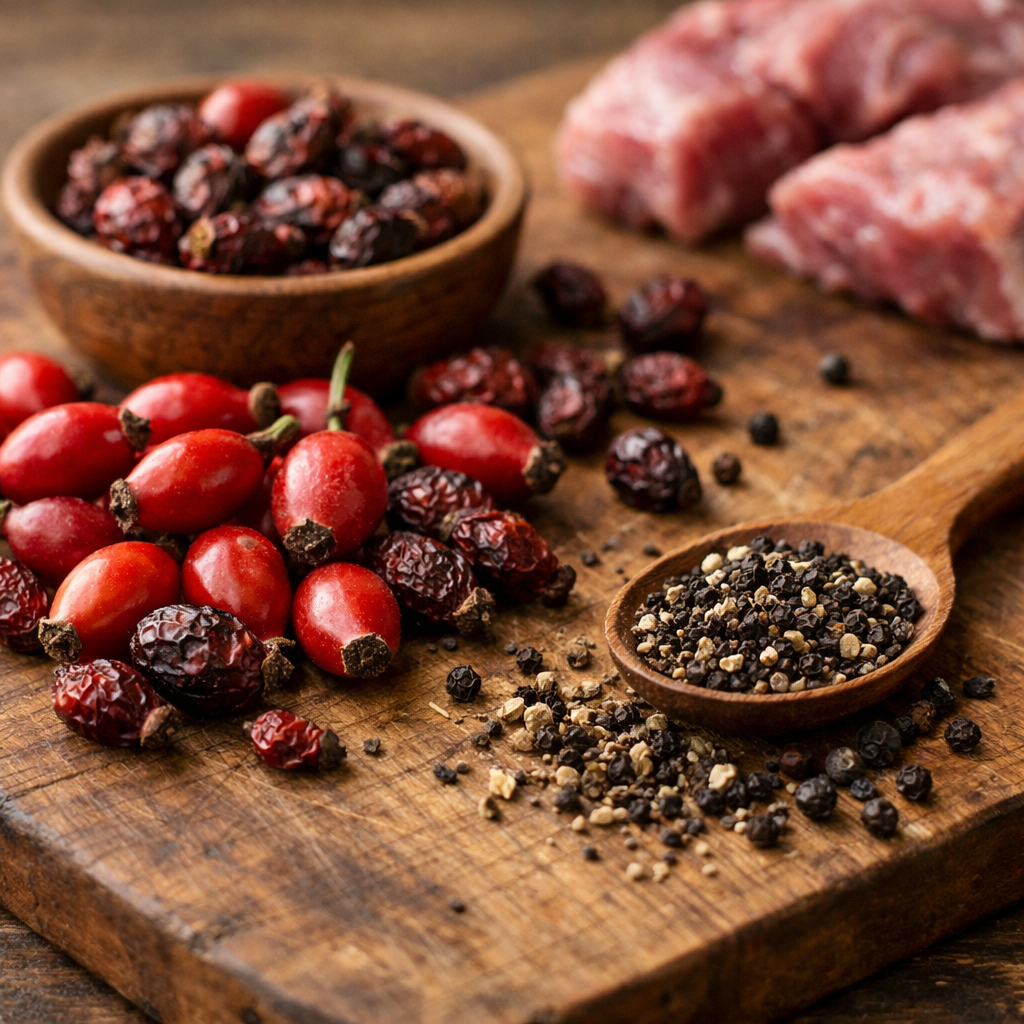
Fillers are ingredients added to pet food to increase volume without adding nutritional value. Common fillers include corn, soy, and wheat. Mass-market manufacturers use these ingredients because they are inexpensive. They provide a cheap source of calories and structural bulk. However, these ingredients are often difficult for dogs to process. Understanding the impact of fillers is essential for owners of dogs with sensitive stomachs.
The Economics of Factory Fillers
Industrial pet food production prioritizes profit margins and shelf stability. Grains like corn and wheat are plentiful and easy to process at scale. Factories use high-heat extrusion to turn these grains into kibble or treats. This process requires starch to bind the ingredients together. Without these fillers, factory-made treats would crumble during transport. The result is a product that is convenient for the manufacturer but less beneficial for the animal.
Why Grains Impact Digestion
Dogs are facultative carnivores. Their digestive systems are optimized for animal proteins and fats. They lack high levels of amylase, the enzyme required to break down complex carbohydrates. When a dog consumes large amounts of corn or wheat, the pancreas must work harder. Undigested starch can ferment in the large intestine. This fermentation leads to common symptoms of a sensitive stomach.
Identifying a Sensitive Stomach
Many dog owners mistake chronic digestive issues for a "picky eater" or a "gassy breed." Frequent flatulence is not a natural state for a healthy dog. Loose stools and bloating are clear indicators of dietary intolerance. Some dogs also exhibit skin irritation or chronic ear infections. These are often allergic responses to the proteins found in soy or wheat. Removing these fillers is the first step in stabilizing a dog's gastrointestinal health.

The Grain-Free Dog Treats Advantage
Choosing grain free dog treats reduces the workload on a dog’s digestive tract. By removing corn and wheat, the risk of inflammatory responses decreases. Grain-free recipes typically replace empty calories with functional ingredients. In the case of The Canine Butcher, pumpkin serves as the primary fiber source. Pumpkin is highly digestible and helps regulate bowel movements. It provides a natural alternative to the synthetic binders used in factories.
The Role of Single-Protein Recipes
Many commercial treats contain "meat meal" or "animal derivatives." These terms often mask a blend of different protein sources. For a dog with a sensitive stomach, multi-protein treats make it impossible to identify triggers. Single-protein dog treats simplify the elimination process. If a dog is sensitive to beef, an owner can switch to lamb or pork without fear of cross-contamination. The Canine Butcher uses only one meat source per recipe. This transparency ensures that owners know exactly what their pet is consuming.
The Problem with High-Heat Processing
Factories use temperatures exceeding 200°C to cook treats quickly. High heat denatures proteins and destroys sensitive vitamins and minerals. To compensate, manufacturers add synthetic "nutrient packs" back into the mixture. These synthetic additives can further irritate a sensitive digestive system. The "burnt" nature of extruded treats can also lead to the formation of acrylamides. These are chemical compounds that have no place in a healthy canine diet.

The Butcher’s Method: Air-Drying
Air-drying is a traditional preservation method. It involves circulating warm air around the meat for extended periods. The temperature remains low enough to preserve the cellular structure of the ingredients. This process removes moisture while locking in natural nutrients and flavor. The result is a shelf-stable treat that retains the enzyme profile of fresh meat. Air-dried treats are more nutrient-dense than their factory-produced counterparts. Because the water is removed, the protein concentration is significantly higher.
Functional Ingredients Beyond Meat
A quality treat should do more than provide calories. The Canine Butcher recipes include botanicals designed for specific health outcomes. The Lamb & Pumpkin Bites use chamomile and fennel to soothe the gut. Ginger is included to reduce nausea and support digestion. Turmeric acts as a natural anti-inflammatory. These ingredients are selected for their traditional medicinal properties. They work in harmony with the meat to support overall wellbeing.
Why Quality Ingredients Cost More
Producing treats from real cuts of British meat is more expensive than using grain by-products. Butchers must hand-prepare the meat rather than relying on automated machinery. The air-drying process takes days, whereas extrusion takes minutes. However, the long-term benefits for the dog are significant. Higher nutrient density means the dog requires fewer treats to feel satisfied. Lowering the intake of inflammatory fillers can reduce the need for veterinary interventions related to allergies.

Making the Switch
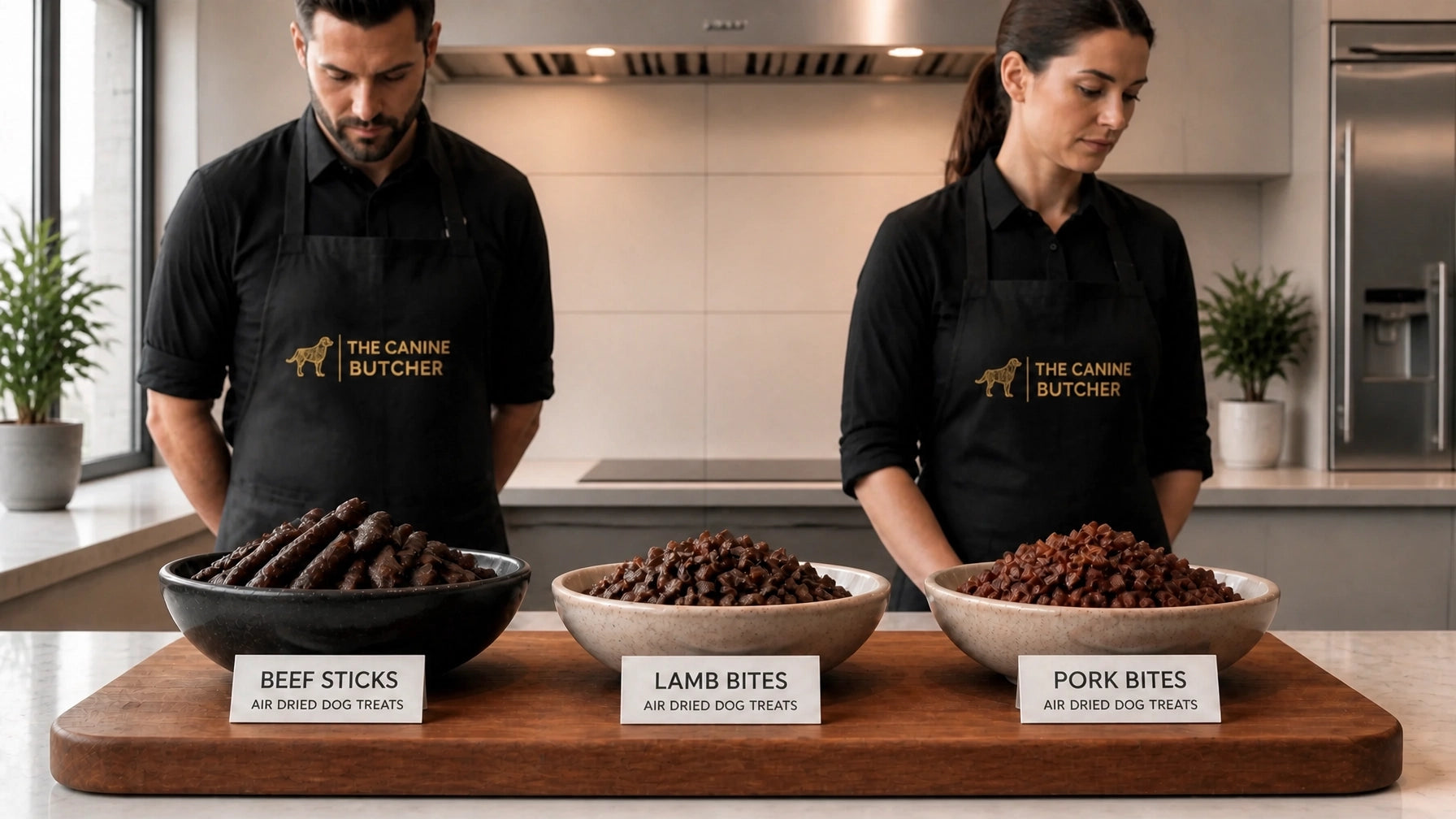
When moving to a grain-free diet, the transition should be deliberate. Start by replacing one factory treat with a butcher-made alternative. Monitor the dog for changes in stool consistency and energy levels. Most owners notice a reduction in gas and a shinier coat within two weeks. The Discovery Pack is an effective way to test which protein suits a specific dog. It contains the beef, lamb, chicken, and pork recipes.
Final Summary of Benefits
Fillers are a compromise made for the benefit of the manufacturer, not the pet. Grain-free treats eliminate unnecessary metabolic stress. Butcher-made products prioritize quality over production speed. Air-drying preserves the natural integrity of the meat. For a dog with a sensitive stomach, these choices are not luxuries. They are the foundations of a healthy life.