Cart
0
Dog owners increasingly seek alternatives to highly processed kibble and biscuits. The demand for raw-equivalent nutrition is growing. Freeze-drying and air-drying are the primary methods for preserving raw meat without refrigeration. Both techniques aim to retain nutritional integrity. The processes differ significantly in execution, texture, and flavor profile. Understanding these differences is essential for choosing the best reward for a dog.
The Mechanics of Freeze-Drying
Freeze-drying is a technical preservation process. It begins by freezing the raw meat to extremely low temperatures. The frozen meat enters a vacuum chamber. Pressure is reduced to trigger a process called sublimation. Sublimation turns ice directly into water vapor without it becoming liquid. This removes moisture while maintaining the cellular structure of the meat. The process is cold and industrial. It requires high-energy machinery and specialized environments.

The Mechanics of Air-Drying
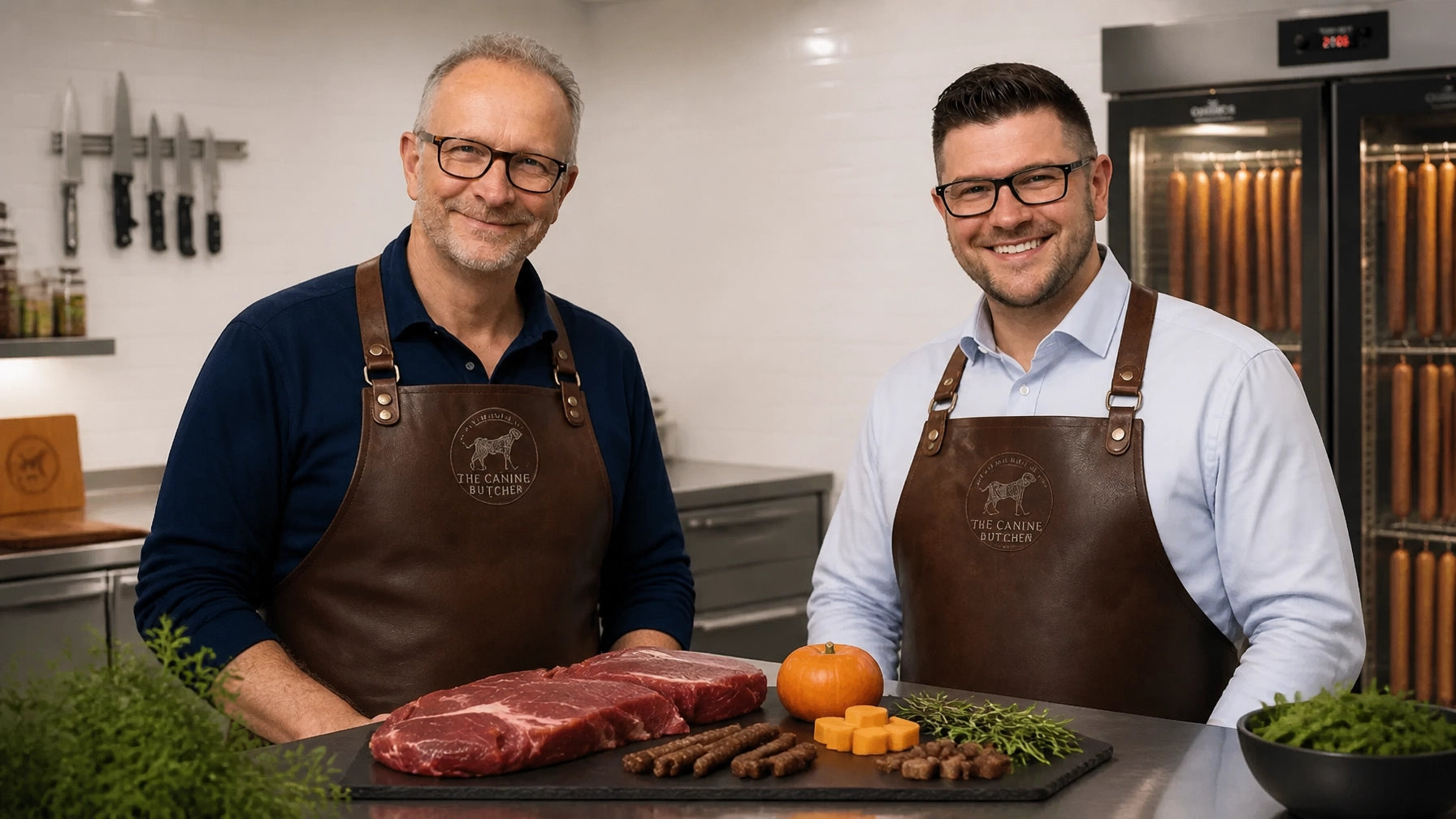
Air-drying is an ancient preservation method refined by modern craft. It uses gentle, warm air circulation to remove moisture. Evaporation occurs slowly over several hours or days. The temperature is kept low enough to prevent cooking. This low-heat approach mimics natural dehydration. It protects heat-sensitive nutrients while concentrating natural proteins. The Canine Butcher uses artisanal methods to manage this process. It is a hands-on technique performed by actual butchers. The result is a treat that retains the essence of fresh meat.

Nutritional Integrity and Bioavailability
Both methods preserve vitamins and minerals better than high-heat baking. Freeze-drying keeps enzymes intact through cold processing. Air-drying preserves essential fatty acids and amino acids through gentle warmth. Proteins in air-dried meat remain highly bioavailable. The body can easily break down and absorb these nutrients. Air-dried treats are nutrient-dense. Small portions provide significant nutritional value. This efficiency makes them ideal for daily supplementation.
Texture and Palatability
The physical outcome of these two processes is distinct. Freeze-dried treats are light, airy, and often crumbly. They can disintegrate into dust in a pocket or treat pouch. Many dogs find the dry, styrofoam-like texture less appealing. Air-dried treats have a jerky-like, chewy consistency. They are dense and satisfying for a dog to masticate. The air-drying process concentrates the natural aromas of the meat. This creates a powerful scent that motivates dogs during training. Air-dried bites do not crumble. They maintain their shape and integrity during transport.

The Butcher-Made Difference
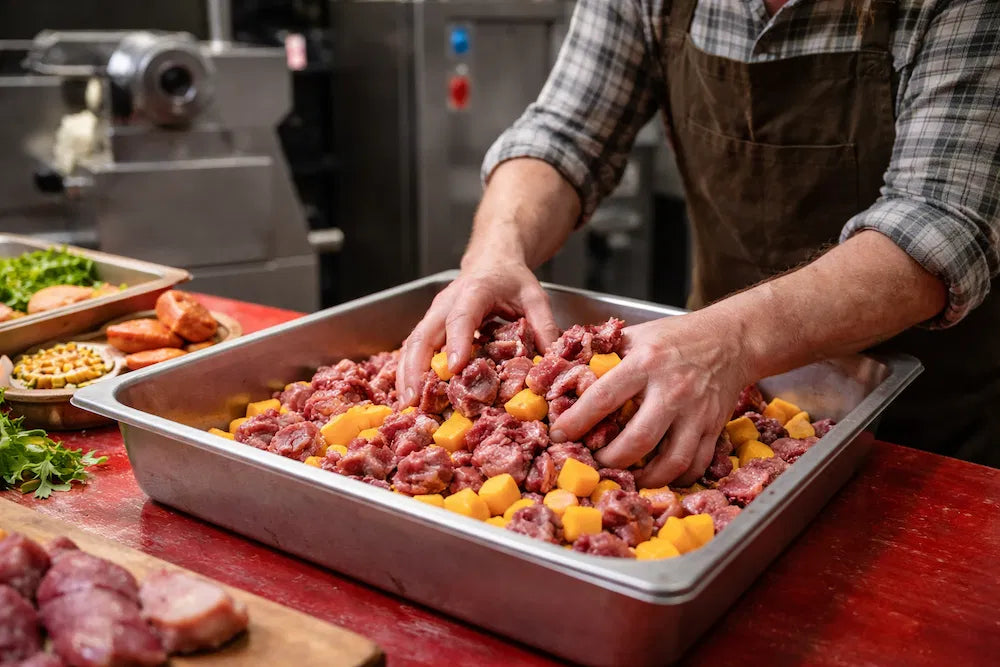
Most freeze-dried products are manufactured in large-scale factories. High-volume production often prioritizes speed over craftsmanship. The Canine Butcher operates differently. Every treat is butcher-made. Real cuts of meat are selected and prepared by hand. The human eye ensures quality that a machine might miss. Butchers understand meat fibers and fat content. This expertise results in a superior final product. Artisanal production allows for smaller batches and tighter quality control.
Ingredient Transparency
Many commercial treats use fillers and artificial preservatives. Freeze-dried and air-dried treats should ideally contain meat and little else. The Canine Butcher uses single-protein recipes. This is vital for dogs with sensitive stomachs or food allergies. Lamb & Pumpkin Bites provide a gentle option for digestion. Beef & Pumpkin Bites offer high energy for active dogs. The inclusion of pumpkin serves as a natural fiber source. It aids digestion without the need for synthetic additives. No artificial preservatives are used. The low moisture content achieved through air-drying naturally prevents spoilage.
Practicality for Training
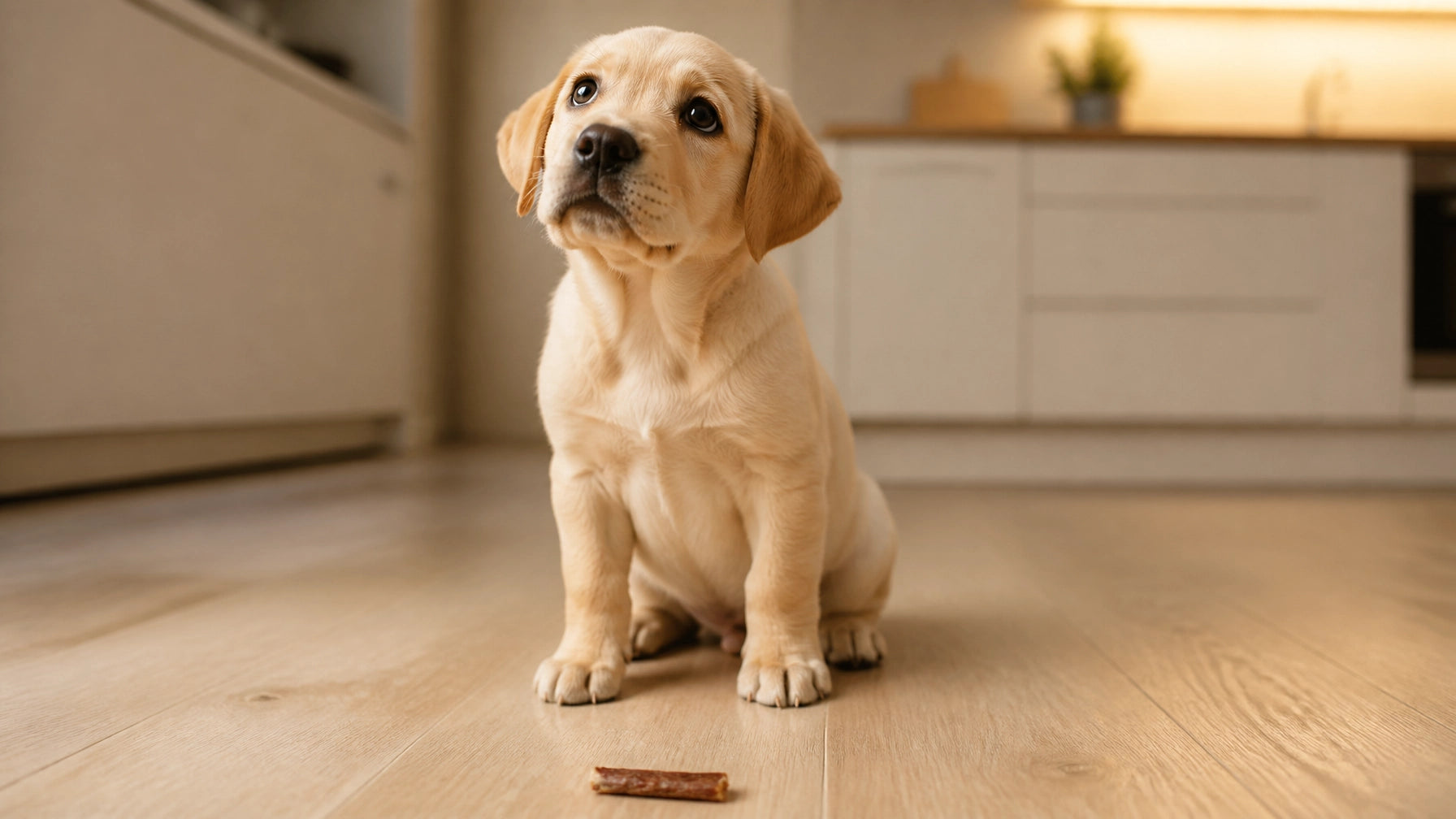
Training requires treats that are easy to handle. Freeze-dried treats often require rehydration to become palatable. Dry freeze-dried cubes can cause coughing if the dog inhales the dust. Air-dried treats are ready to serve immediately. They are clean to handle and do not leave greasy residue. The sturdiness of an air-dried treat allows it to be broken into smaller pieces. This makes them highly versatile for various training scenarios. The intense flavor ensures high-value engagement from the dog.

Digestibility and Gut Health
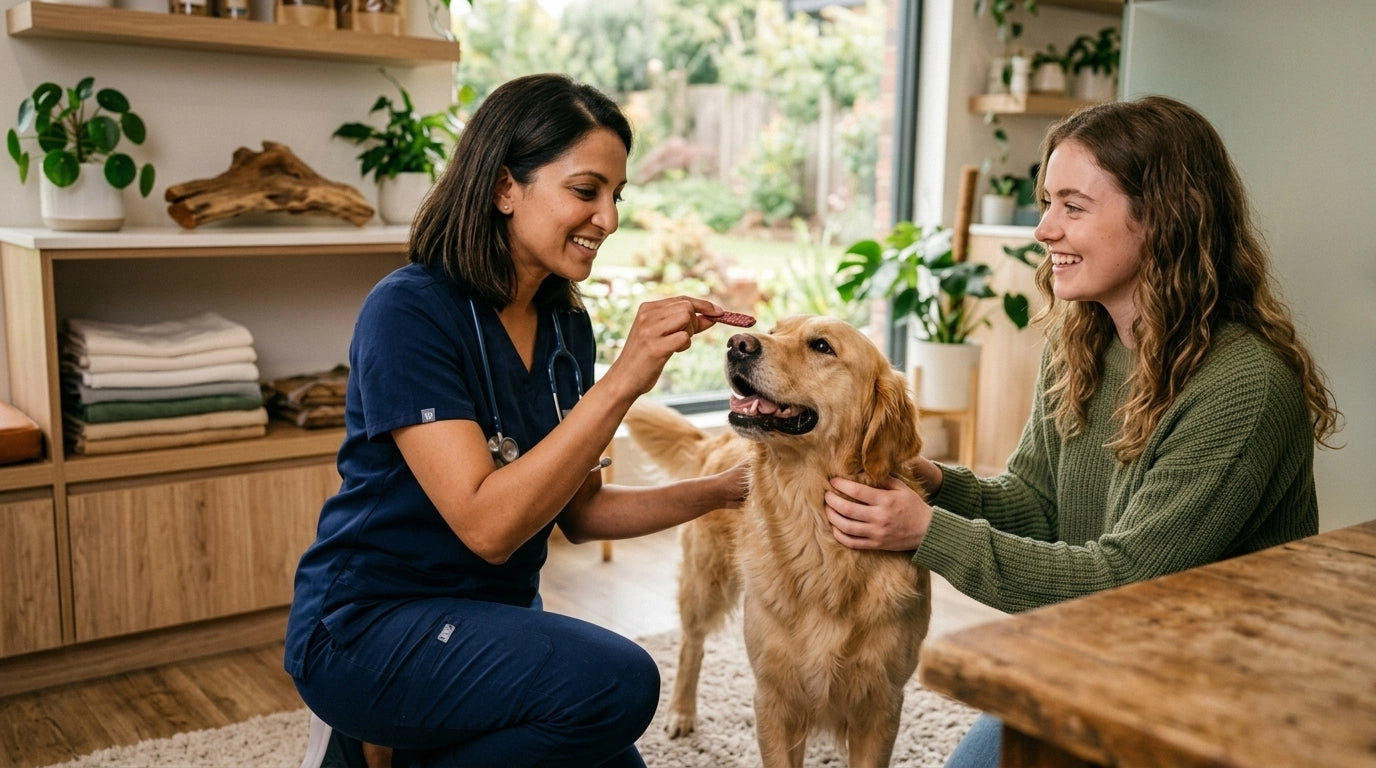
Gut health is a priority for many dog owners. Highly processed treats can disrupt the microbiome. Air-dried meat is closer to a dog's ancestral diet. It is easy for the canine digestive system to process. Single-protein formulas reduce the risk of inflammatory responses. This is a key reason why single protein dog treats matter. Natural ingredients promote a healthy gut lining. Improved digestion leads to better stools and overall wellbeing.
Shelf Life and Storage
Preservation is the goal of both drying methods. Removing moisture stops the growth of bacteria and mold. Freeze-dried food is extremely shelf-stable but fragile. Air-dried treats offer a robust shelf life in a more durable form. They do not require refrigeration. Keep them in a cool, dry place to maintain freshness. The Discovery Pack allows owners to test different proteins while maintaining a fresh supply.
Safety and Standards
Safety is a non-negotiable factor in pet food. Pathogen control is strictly managed in the air-drying process. The combination of time and temperature eliminates harmful bacteria. It achieves this while avoiding the chemical treatments used in factory snacks. The Canine Butcher uses British meat from trusted sources. Traceability is built into the artisanal process. Choosing butcher-made treats ensures the highest safety standards.
Environmental and Quality Control
Industrial freeze-drying requires massive amounts of electricity. The machinery must run constantly to maintain vacuum and cold. Air-drying is a more energy-efficient method of preservation. It relies on airflow and controlled warmth. The smaller footprint of artisanal production is more sustainable. Quality control is immediate and visual. If a cut of meat does not meet the butcher's standard, it is rejected. This level of scrutiny is impossible in automated factory lines.
Why Air-Dried Wins Every Time
Freeze-drying is a marvel of food science. However, air-drying is the superior choice for high-quality dog treats. It offers a better sensory experience for the dog. It provides a more convenient experience for the owner. The nutritional profile is robust and naturally preserved. The artisanal, butcher-made nature of the product adds a layer of trust. It is a return to traditional values in pet nutrition.
Owners looking for the best for their pets should prioritize quality. Look for clear ingredient lists. Choose methods that respect the raw material. Air-dried treats from The Canine Butcher meet these requirements. They provide the benefits of raw meat with the convenience of a dry snack. It is the gold standard for healthy dog rewards.