Cart
0

What sits in the treat jar also shapes long-term health outcomes for dogs.
Most commercial dog treats fall into the category of ultra-processed food (UPF).
These products undergo extreme heat and pressure during manufacturing.
Recent research indicates this processing significantly impacts canine digestive health.
This is the first article in a five-part series, "The Truth About Dog Food."
We will examine how industrial processing and synthetic fillers damage the gut microbiome, and why healthier rewards matter even when a dog's main diet is kibble.
The University of Helsinki Study
Scientists at the University of Helsinki recently conducted a massive epidemiological study.
The DogRisk research group analyzed data from 16,607 dogs.
The study examined the relationship between diet in puppyhood and health in adulthood.
Researchers looked specifically at Chronic Enteropathy (CE).
CE is a long-term gastrointestinal condition characterized by vomiting and diarrhea.
It is often resistant to standard treatments and requires lifelong management.
The results of the study were definitive.
Puppies fed a diet of ultra-processed kibble showed a significantly higher risk of CE later in life.
The risk was highest when kibble was the sole source of nutrition between 2 and 18 months of age.
Conversely, puppies fed non-processed, meat-based diets showed a lower incidence of gut disease.

Defining Chronic Enteropathy
Chronic Enteropathy is not a single disease.
It is an umbrella term for persistent inflammatory issues in the gut.
Symptoms include decreased appetite, abdominal pain, and weight loss.
It is frequently linked to a condition called "leaky gut."
Intestinal permeability increases, allowing pathogens and undigested proteins into the bloodstream.
This triggers a systemic immune response.
Over time, this response leads to chronic inflammation throughout the body.
Owners often seek dog treats for sensitive stomachs to manage these symptoms.
However, the study also points to a practical step owners can take now through the treats they choose.
The Problem With Industrial Fillers
Ultra-processed kibble relies on inexpensive fillers to maintain structure and shelf life.
These fillers often include corn, soy, wheat, and beet pulp.
They are high in carbohydrates and low in bioavailable nutrients.
These ingredients are not part of a dog's ancestral diet.
Fillers provide bulk but offer little support for the gut microbiome.
A healthy microbiome requires diverse, high-quality protein sources.
Industrial dog food often uses "meat meal" instead of whole muscle meat.
Meat meal is a rendered product made from various animal tissues.
It is processed at high temperatures, which alters its molecular structure.

High-Heat Processing and AGEs
Manufacturing kibble requires a process called extrusion.
Ingredients are mixed and forced through a die under intense heat and pressure.
This process creates Advanced Glycation End-products (AGEs).
AGEs are inflammatory compounds that form when proteins and sugars are heated together.
In humans, high levels of AGEs are linked to diabetes and heart disease.
In dogs, they contribute to metabolic stress and accelerated aging.
The extrusion process also destroys natural enzymes and vitamins.
Manufacturers must add synthetic vitamins back into the food after processing.
These synthetic additives can further irritate a sensitive digestive system.
The Benefit of Fresh Food Additions Through Treats
The Helsinki study found that even small amounts of fresh food provided protection.
Dogs fed raw meat, organs, and cartilage were more resilient.
Even when a dog's main diet is kibble, the reward routine still matters.
This suggests that the diversity of nutrients in real food is critical.
Fresh food contains live enzymes and a varied profile of amino acids.
These components support the growth of beneficial gut bacteria.
Healthy gut bacteria produce short-chain fatty acids that nourish the intestinal lining.
This helps counter the inflammation associated with ultra-processed diets.
Swapping industrial rewards for natural dog treats is a simple way to introduce these benefits.

Why Air-Drying Is Different
Air-drying is a traditional method of food preservation.
It involves circulating warm air around the meat for an extended period.
Unlike extrusion, air-drying uses low temperatures.
This gentle process removes moisture while keeping the cellular structure of the meat intact.
Proteins do not denature in the same way they do under high heat.
Nutrients remain bioavailable and easy for the dog to digest.
Air dried dog treats provide the convenience of kibble with the nutritional profile of fresh meat.
They do not require artificial preservatives or chemical stabilizers.
The process naturally locks in the flavor and aroma of the meat.
This makes them ideal for dogs with a sensitive stomach.
Single-Protein Integrity
Many ultra-processed foods contain a "cocktail" of protein sources.
This makes it difficult to identify triggers for allergies or gut flare-ups.
The Canine Butcher focuses on single-protein recipes.
Using one animal source simplifies the digestive process.
It reduces the likelihood of an adverse immune reaction.
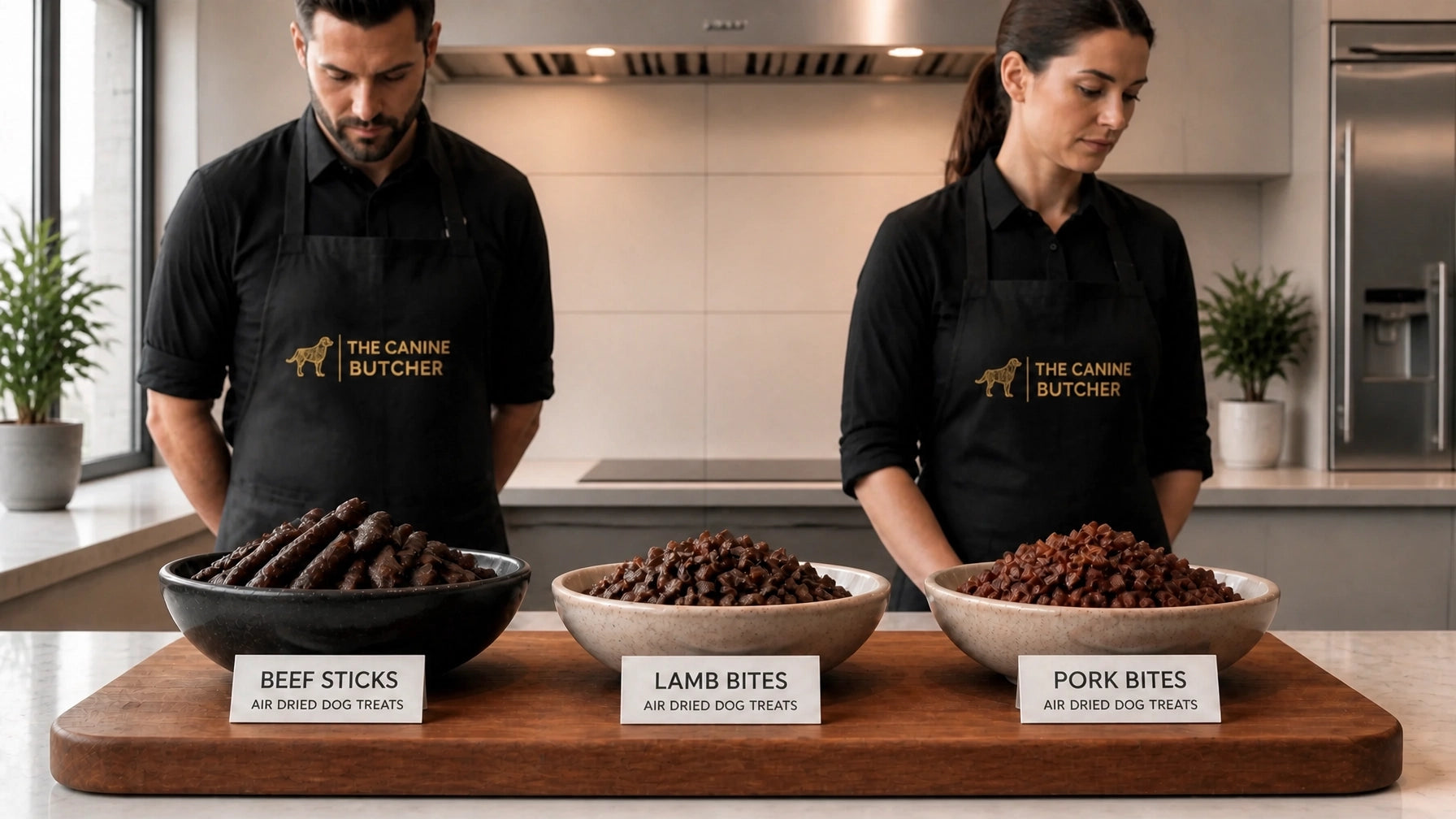
Our treats use real cuts of meat, such as beef or lamb, prepared by actual butchers.
There are no hidden fillers or "by-products" in the mix.
This transparency is essential for maintaining a healthy microbiome.
Healthy dog treats should contain minimal, recognizable ingredients.

Summary of Findings
The evidence against a purely ultra-processed diet is growing.
The University of Helsinki study provides a clear warning for puppy owners.
Early exposure to kibble increases the risk of chronic gut disease.
Even so, owners feeding kibble still have control over what goes into the treat jar.
Swapping industrial treats for butcher-made, air-dried rewards adds real proteins and live enzymes back into the routine.
Owners should prioritize quality over convenience.
Avoid treats with long lists of chemical additives and high carbohydrate counts.
Look for treats made through low-heat processes like air-drying.
Choose single-protein options to support digestive clarity.
The health of a dog's gut today determines their quality of life tomorrow.
In the next part of this series, we will explore the link between ultra-processed food and canine obesity.
We will examine how "obesogens" in commercial food make weight management difficult.
Understand the science of what you're rewarding them with.
Protect your dog from the hidden costs of industrial kibble.