Cart
0
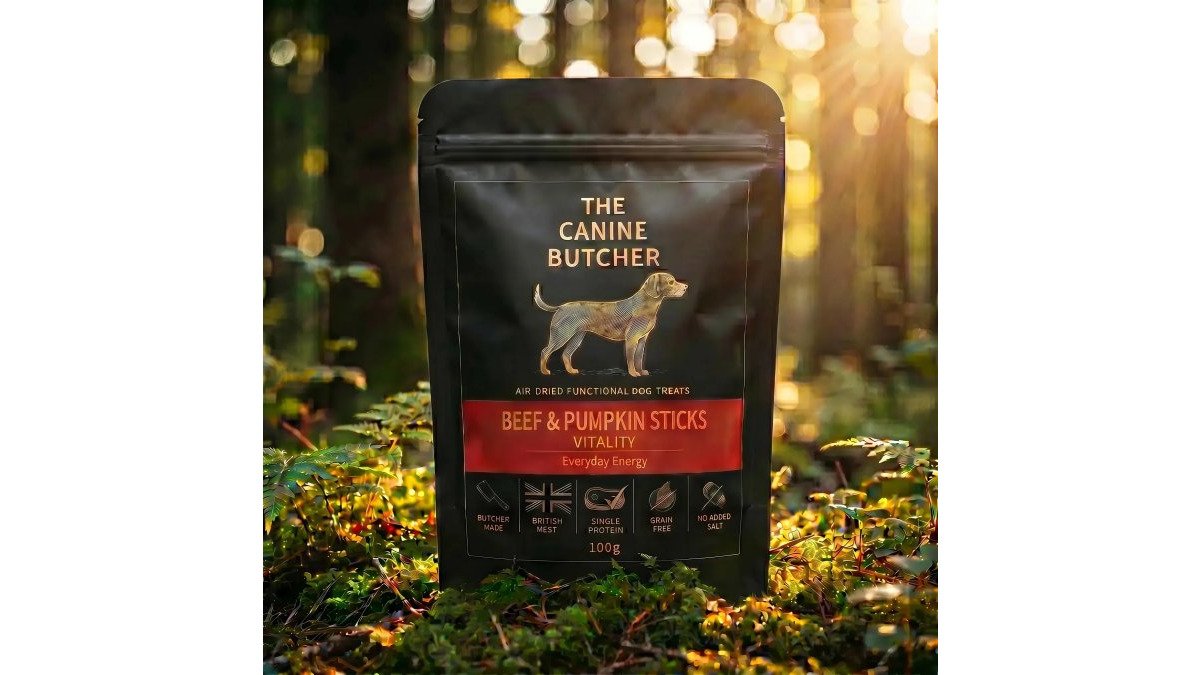
Table of Contents
- What Makes Quality Air-Dried Beef Liver Treats
- Beef Liver Dog Treat Ingredients: What to Look For
- How Much Beef Liver Can Dogs Eat Safely
- How to Store Air-Dried Dog Treats Properly
- Why Air-Dried Dog Treats Stand Out
- Choosing the Right Format for Your Dog
- Frequently Asked Questions
Last Updated: October 9, 2026
What Makes Quality Air-Dried Beef Liver Treats
The best air-dried beef liver treats for dogs share three defining characteristics: transparent sourcing, minimal processing, and genuine meat content. When you're choosing treats for your dog, these markers separate premium options from mass-produced alternatives that rely on fillers and synthetic preservatives.
Quality matters because your dog's digestive system responds directly to what you feed them. A treat made from a single protein source with recognisable ingredients creates fewer digestive surprises than one packed with grain, by-products, or chemical stabilisers. At The Canine Butcher, we build our air-dried beef liver treats around this principle: real meat, simple botanicals, nothing unnecessary.
The air-drying process itself is critical. Slow, controlled drying preserves the nutritional integrity of the meat whilst developing intense flavour, which is why dogs find these treats genuinely appealing. This isn't about marketing; it's about how the process works. Fast drying or high-heat methods can degrade nutrients and create a less palatable product. When a treat is made properly, your dog's enthusiasm becomes obvious.
Pro Tip
Check the ingredient list first. If you can't recognise most items on it, that's a signal to look elsewhere. Beef trim, beef heart, beef liver, these are real cuts. Ginger, turmeric, pumpkin, these are recognisable botanicals. If the list reads like a chemistry experiment, the treat probably isn't worth the premium price.
Beef Liver Dog Treat Ingredients: What to Look For
The foundation of any quality beef liver dog treat is the meat itself, but the supporting ingredients matter equally. Beef liver is nutrient-dense, it's rich in iron, B vitamins, and amino acids, but the best treats combine it with complementary ingredients that serve a genuine purpose, not just fill space on the label.
Look for treats that include pumpkin, which naturally supports everyday digestion. Ginger and turmeric are traditional botanicals that many dog owners recognise from their own kitchens. Spirulina and rosehip add micronutrients without being exotic or unnecessary. These aren't trendy superfoods; they're ingredients with a practical purpose.
Avoid treats listing "meat by-products," "animal derivatives," or vague protein sources. These terms hide what's actually in the treat, and if a manufacturer won't be specific, there's usually a reason. Single-protein treats (beef only, not beef plus chicken plus lamb) are easier for dogs with sensitivities to digest and help you identify any ingredients that might cause a reaction.
Natural antioxidants like mixed tocopherols (vitamin E) are legitimate preservatives that keep treats stable without artificial additives. No added salt is a genuine benefit; commercial treats often use salt as a cheap flavour enhancer, but quality meat doesn't need it. When you see "no added salt" on a premium treat, it reflects a commitment to letting the ingredient quality speak for itself.
Key Takeaway
The ingredient list should read like something you'd recognise from a butcher's counter, not a chemical supply catalogue. If most items are unfamiliar or sound synthetic, the treat probably isn't worth the money.
How Much Beef Liver Can Dogs Eat Safely
Treats should make up no more than 10% of your dog's daily calorie intake. This is a practical guideline that applies to all complementary treats, including air-dried beef liver treats. If your dog weighs 20 kg and needs roughly 800 calories daily, treats should account for about 80 calories, typically one or two pieces, depending on the treat's size.
Beef liver is nutrient-dense, which is why moderation matters. Too much of any single protein, even a high-quality one, can create imbalance in their overall diet. The goal is to use treats as a reward or enrichment tool, not as a meal replacement. Your dog's main nutrition should come from their regular food, with treats complementing that foundation.
If your dog has a sensitive stomach or you're introducing a new treat for the first time, start small. Offer a single piece and observe how your dog responds over the next 24 hours. Most dogs adapt well to high-quality, single-protein treats, but every dog is different. If you notice any digestive upset, reduce the frequency or portion size.
Portion size varies by dog weight and activity level. A smaller dog (under 10 kg) might do well with a single bite-sized piece daily. A larger, active dog could handle two or three sticks weekly. The key is consistency, feeding the same treat regularly at the same portion helps you spot any patterns if digestive issues arise.
Watch Out
Treats made from real meat are calorie-dense. Overfeeding treats can lead to weight gain, which creates its own health complications. Stick to the 10% guideline and adjust your dog's main meals accordingly if you're using treats frequently.
How to Store Air-Dried Dog Treats Properly
Air-dried dog treats remain stable without refrigeration because the drying process removes most moisture that bacteria need to grow. This makes them genuinely convenient, you can store them in a cupboard, a treat jar, or even a dog bag without worrying about spoilage the way you would with fresh meat.
Keep them in a cool, dry place away from direct sunlight. A kitchen cupboard or pantry works perfectly. Airtight containers or resealable pouches prevent them from absorbing moisture from the air, which can soften them over time. If your kitchen is particularly humid (near a window or in a steamy bathroom), consider storing treats in a sealed container rather than an open jar.
Once opened, most air-dried treats remain fresh for several weeks if stored properly. The exact timeframe depends on the specific product and your climate.
Avoid storing treats in the fridge or freezer. The moisture and temperature fluctuations can affect texture and palatability. Room temperature storage is ideal and keeps the treats at their best.
Check your treats occasionally for any signs of mould or off-odours, particularly in humid climates. A quality air-dried treat should have a consistent appearance and smell distinctly of meat. If something looks or smells off, discard it, but this is rare with properly made treats.
| Storage Condition | Duration | Notes |
|---|---|---|
| Cool, dry cupboard | Several weeks | Ideal storage method |
| Sealed container, room temperature | 4-6 weeks | Protects from humidity |
| Opened pouch, airtight seal | 3-4 weeks | Reseal after each use |
| Warm or humid environment | 2-3 weeks | Use faster in hot climates |
Why Air-Dried Dog Treats Stand Out
The air-drying method creates treats that are fundamentally different from heat-processed alternatives. Air-dried treats maintain ingredient integrity through a gentler process.
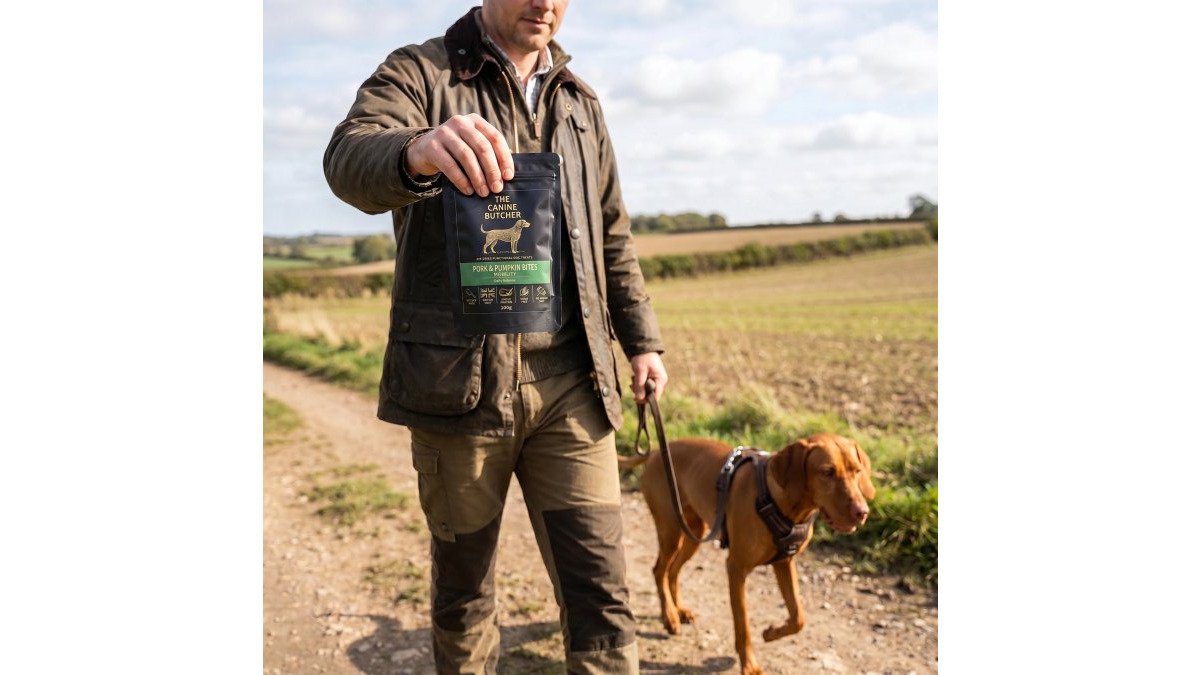
Beef & Pumpkin Bites - VITALITY →
This matters for dogs with sensitive digestion. The slow drying process doesn't denature proteins the way high heat does, so the meat remains closer to its natural state. Owners often report that their dogs respond better to air-dried options, with fewer digestive complaints or food sensitivities.
The flavour intensity is another practical advantage. Dogs are attracted to the concentrated, natural meat smell that air-drying develops. This means you're not relying on artificial flavour enhancers or salt to make the treat appealing. Your dog eats it because the meat is genuinely palatable, not because chemicals make it irresistible.
Nutritionally, air-dried treats retain more of the original meat's vitamins and amino acids. The controlled drying temperature preserves these nutrients rather than breaking them down through high heat. This doesn't make them a supplement or a health treatment, they're still treats, meant to be part of a balanced diet, but it does mean they're nutritionally denser than many mass-produced options.
The stability without synthetic preservatives is a genuine selling point. Natural antioxidants like vitamin E keep treats fresh without relying on chemicals you'd rather avoid.
Choosing the Right Format for Your Dog
Air-dried beef liver treats come in two main formats: bites and sticks. The right choice depends on your dog's size, how you plan to use the treats, and what kind of chewing experience benefits them most.
Bite-sized pieces work best for training, frequent rewarding, or smaller dogs. They're quick to deliver, portion easily, and suit dogs that don't need extended chewing. If you're using treats for training sessions or walks where you want to reward quickly without disrupting the activity, bites are practical. They're also ideal for dogs under 15 kg or those with smaller mouths.
Sticks suit larger dogs, enrichment moments, or when you want a more substantial treat. A stick provides longer chewing engagement, which many dogs find satisfying. If your dog enjoys working through a treat over several minutes rather than consuming it instantly, sticks offer that experience. They're also easier to break by hand into smaller portions if you want to adjust the size.
Consider your dog's chewing style. Some dogs are gentle, methodical chewers who'll work through a stick slowly. Others are enthusiastic, faster chewers who'll demolish either format quickly. Neither is wrong, it's just about matching the treat format to your dog's natural behaviour.
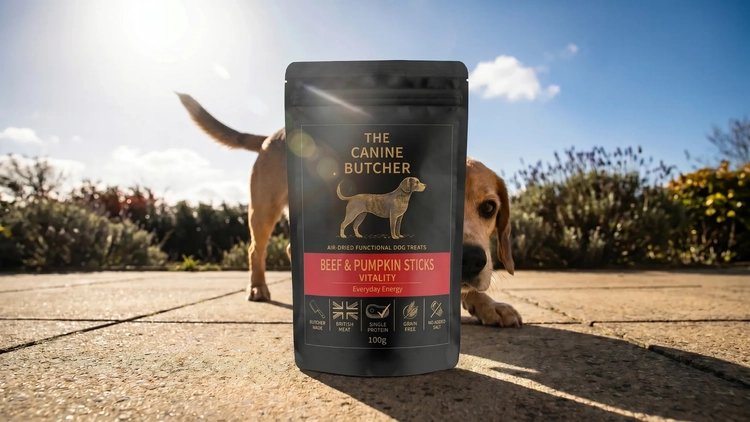
The Canine Butcher's Beef & Pumpkin Bites (£6.99) work well for frequent rewarding or training, whilst the Beef & Pumpkin Sticks (£6.99) suit dogs that benefit from longer chewing sessions. Both are made from the same high-quality beef, heart, and liver with pumpkin and botanicals designed to support everyday vitality.


If you're unsure which format suits your dog, the Discovery Pack (£21.99) includes four different recipes in both formats, giving you a chance to see what your dog prefers before committing to larger quantities.

Choosing quality air-dried beef liver treats for dogs comes down to reading the ingredient list, understanding your dog's individual needs, and recognising that premium treats deliver genuine nutritional value alongside palatability. At The Canine Butcher, we've built our treats on the principle that transparency and ingredient quality matter, because your dog's digestion responds directly to what you feed them. Explore our range of air-dried treats and discover which format and recipe works best for your dog's preferences and dietary needs.
Frequently Asked Questions
Are air-dried beef liver treats good for dogs?
Air-dried beef liver treats offer a nutrient-dense, single-protein option that many dogs find highly palatable. Because they're gently dried rather than heavily processed, they retain natural flavour and nutrition. They work well as complementary treats within a balanced diet, particularly for dogs with sensitive stomachs or those whose owners want transparency about what they're eating. Always introduce any new treat gradually and consult your vet if your dog has existing health concerns.
How much beef liver can I give my dog as a treat?
Treats should make up no more than 10% of your dog's daily calorie intake. For beef liver treats, this typically means a small handful per day for most dogs, though the exact amount depends on your dog's size, age and overall diet. Start with smaller portions when introducing beef liver treats, especially if your dog has a sensitive stomach, and observe how your dog responds over a few days before increasing the amount.
What should I look for in beef liver treats for dogs?
Look for treats made with recognisable, simple ingredients, real beef, beef liver or heart, and minimal additions. Avoid treats with artificial preservatives, fillers, or added salt. Single-protein recipes are ideal if your dog has food sensitivities. Check that the beef is sourced responsibly and the treat has been air-dried rather than heavily processed. Transparency about ingredients and production methods is a good sign of quality.
How should I store air-dried beef liver treats?
Store air-dried treats in a cool, dry place away from direct sunlight. An airtight container or resealable pouch works well and helps maintain freshness. Most air-dried treats don't require refrigeration because the drying process removes moisture that bacteria need to grow. Check the packaging for specific guidance, but generally, properly stored air-dried treats remain stable for several months. Once opened, seal the pouch tightly between uses.
Can dogs eat beef liver every day?
While beef liver is nutrient-rich, it's best offered as an occasional treat rather than a daily staple. Beef liver is high in certain nutrients like vitamin A, so daily feeding in large amounts could lead to imbalance over time. Rotate different treats and proteins throughout the week, and keep beef liver treats within the 10% daily treat allowance. If you want to feed beef liver more frequently, discuss portion sizes with your vet to ensure it fits your dog's overall nutritional needs.