Cart
0
Table of Contents
- Why Artificial Preservatives Matter for Your Dog
- Common Artificial Preservatives Found in Dog Treats
- How to Read Dog Food Labels for Hidden Additives
- Natural Preservatives in Dog Food and Treats
- What to Look for in Preservatives in Dog Treats
- Choosing Dog Food Without Artificial Additives
- Storage Tips for Naturally Preserved Dog Treats
- Frequently Asked Questions
Last Updated: 15 October 2026
Why Artificial Preservatives Matter for Your Dog
When you pick up a dog treat packet, the ingredient list tells a story. Most commercial treats rely on artificial preservatives to extend shelf life and cut costs. But these additives come with a trade-off: they're designed for longevity in warehouses, not for what's best for your dog.
Artificial preservatives like BHA, BHT, and ethoxyquin are synthetic compounds that prevent fat oxidation and microbial growth. Your dog's digestive system wasn't built to process these chemicals regularly. Some dogs show no obvious reaction. Others develop sensitivities over time, or their digestive health suffers quietly without you noticing.
At The Canine Butcher, we've chosen a different path. Our air-dried treats rely on simple preservation methods that work with your dog's biology, not against it. When you're avoiding artificial preservatives in dog food and treats, you're making a choice about what goes into your dog's body week after week, year after year.
The real question isn't whether artificial preservatives are "safe" in a laboratory sense. It's whether they're necessary when better options exist.
Key Takeaway
Artificial preservatives extend shelf life for manufacturers, not your dog's health.
Common Artificial Preservatives Found in Dog Treats
Understanding what you're avoiding starts with knowing the names. These are the synthetic preservatives that appear most often on treat labels.
BHA (Butylated Hydroxyanisole) is a waxy compound added to prevent rancidity in fats. It's been used in pet food for decades.
BHT (Butylated Hydroxytoluene) works the same way as BHA. It's often paired with BHA in commercial treats. Both are antioxidants designed to keep fats from going rancid, which extends shelf life significantly.
Ethoxyquin is another synthetic antioxidant, less common now but still found in some budget treats and fish-based products.
Propylene glycol isn't technically a preservative, but it appears alongside them. It's a humectant that keeps treats soft and moist.
Sodium nitrite and nitrates preserve meat-based treats by preventing bacterial growth.
These names sound industrial because they are. They're manufactured compounds created to solve a specific problem: keeping treats shelf-stable for months in warm warehouses and shop displays.
Watch Out
Check the ingredient list carefully. Preservatives sometimes hide under vague terms like "mixed tocopherols" (natural) or aren't listed by name at all.
How to Read Dog Food Labels for Hidden Additives
Reading a treat label properly takes practice, but it's worth learning. Manufacturers list ingredients by weight, so the first few items matter most. Artificial preservatives usually appear towards the end, but that doesn't mean they're harmless.
Start with the ingredient list. Read it from top to bottom. If you see BHA, BHT, ethoxyquin, sodium nitrite, or propylene glycol, you've found your answer. These are the main artificial preservatives to avoid. Some labels use abbreviations or chemical names that aren't immediately obvious.
Look for the "best before" or "use by" date. Treats with artificial preservatives often have shelf lives of 18-24 months. Naturally preserved treats typically last 6-12 months. A long shelf life is a red flag that artificial preservatives are doing the work.
Check for vague preservative language. Labels sometimes say "preserved with natural ingredients" without specifying which ones. Vitamin E (mixed tocopherols), rosemary extract, and vitamin C are legitimate natural preservatives. If the label doesn't name them, contact the manufacturer.
Examine the moisture content. Air-dried treats naturally resist spoilage because moisture is removed. If a treat is soft and moist but has a long shelf life, artificial preservatives are likely at work.
Ask about manufacturing dates.
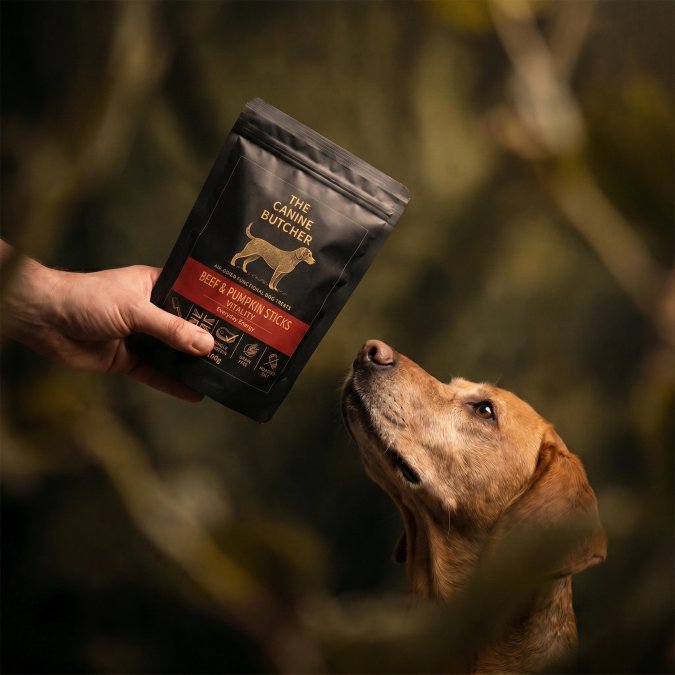
Request the full ingredient sourcing. If a manufacturer won't tell you where meat comes from or how treats are preserved, that's telling. Transparency matters. At The Canine Butcher, we provide this information because it builds trust.
Many treat labels are deliberately hard to read. Small fonts, chemical names, and vague descriptions make comparison difficult. Take your time. If you're unsure, email the company. At The Canine Butcher, we answer questions the same day because transparency is part of how we work.
Natural Preservatives in Dog Food and Treats
Natural preservation works differently than artificial methods. Instead of relying on synthetic chemicals, these approaches use time-tested techniques and naturally occurring compounds.
Air-drying is the oldest method. Removing moisture prevents bacterial and fungal growth without adding anything. It's how our treats work. The process concentrates flavour and nutrition while eliminating the need for chemical preservatives. A properly air-dried treat stays fresh for months without any additives.
Vitamin E (mixed tocopherols) is extracted from plant oils. It's a natural antioxidant that prevents fat rancidity.
Vitamin C (ascorbic acid) serves a similar function. Despite the chemical name, it's the same compound found in oranges and broccoli. It prevents oxidation in fats and keeps treats fresher longer.
Rosemary extract contains natural compounds that act as antioxidants. It's been used in food preservation for centuries.
Salt preserves by reducing water activity.
Refrigeration is underrated. Treats stored in cool conditions last longer without any preservatives.
Pro Tip
Natural preservatives work best when combined. Air-drying plus vitamin E plus cool storage creates a preservation system that doesn't need synthetic chemicals. This is how we approach treat longevity.
What to Look for in Preservatives in Dog Treats
Choosing treats wisely means knowing what signals quality. These are the markers that separate thoughtful treat makers from those cutting corners.
Single-protein recipes reduce the need for preservatives. When a treat contains just one meat source, there's less risk of oxidation and spoilage. Multi-ingredient treats with multiple meat sources degrade faster, so manufacturers add more preservatives to compensate.
Transparent sourcing matters. If a company tells you exactly where the meat comes from and how it's processed, they're confident in their product.
Short ingredient lists are a good sign. Fewer ingredients mean fewer things that can go rancid.
Proper packaging affects preservation. Treats in airtight, opaque packaging stay fresher longer than those in clear bags exposed to light. Light and oxygen degrade fats quickly, so packaging design is part of the preservation strategy.
Manufacturing dates show freshness.
Clear guidance on storage is a green flag. If a manufacturer recommends keeping treats in a cool place or the fridge, they're being honest about shelf life.
| What to Look For | Why It Matters | What to Avoid |
|---|---|---|
| Single-protein recipes | Less oxidation, fewer additives needed | Multi-protein treats with unclear sourcing |
| Transparent sourcing | Confidence in quality and safety | Vague "meat by-products" language |
| Short ingredient lists | Easier to evaluate, fewer preservatives | 15+ ingredients with chemical names |
| Airtight, opaque packaging | Protects from light and oxygen | Clear bags or loose packaging |
| Manufacturing dates | Shows freshness and storage time | Only expiry dates, no manufacturing info |
| Storage recommendations | Honest about shelf life | Claims of unlimited shelf stability |
Choosing Dog Food Without Artificial Additives
Building a treat routine around naturally preserved options takes intention, but it's straightforward once you know what to look for.
Start by auditing what you're currently feeding. Check every treat packet in your cupboard. Write down the preservatives you find. This baseline shows you what to replace and helps you spot patterns in what you've been buying.
Prioritise air-dried treats. They're the easiest way to avoid artificial preservatives because the preservation method is built in. Air-drying removes water, which stops microbial growth naturally. Look for treats that are simply meat and nothing else, or meat plus one functional ingredient like herbs or vegetables.
Buy from makers who publish full ingredient information. If a company lists every ingredient and its source on their website, they're operating transparently. This confidence usually means they're not hiding anything.
Choose single-protein options. A treat that's just beef, or just lamb, or just chicken is easier to evaluate and typically requires fewer preservatives.
Consider your dog's digestive needs. If your dog has a sensitive stomach, single-protein treats may help reduce the risk of triggering a reaction. Fewer ingredients can also make it easier to identify what your dog tolerates well.
Buy smaller quantities more often. Instead of stockpiling a 500g bag, buy 100g and replace it weekly.
Store treats properly at home. Even naturally preserved treats last longer in cool, dry conditions. An airtight container in a cupboard is better than leaving treats on a shelf. Refrigeration extends freshness significantly.
Ask manufacturers directly. If a label isn't clear, email the company. How they respond tells you a lot. We answer questions the same day because transparency is part of how we work.
Pro Tip
Switch gradually if your dog has been eating treats with artificial preservatives. Introduce naturally preserved treats slowly alongside familiar options.
Storage Tips for Naturally Preserved Dog Treats
How you store treats at home matters as much as how they're preserved. Natural preservation methods work best with proper storage conditions.
Keep treats cool. Room temperature is fine, but cooler is better. A cupboard away from direct sunlight is ideal. Heat accelerates fat oxidation, which reduces freshness and can create off-flavours your dog might reject.
Use airtight containers. Once you open a treat packet, transfer the contents to an airtight container. Exposure to air causes oxidation. A sealed container keeps treats fresher for weeks longer than an open packet.
Refrigerate for extended freshness. If you buy larger quantities, store half in the fridge. Refrigerated treats stay fresh for significantly longer than those at room temperature.
Check treats before feeding. Before giving a treat, check that it looks and smells normal.
Rotate your stock. Use the oldest treats first. This ensures you're always feeding fresher products and prevents treats from sitting in storage too long.
Watch for signs of spoilage. Treats that smell rancid, show visible mould, or have an unusual texture have gone off. Discard them.
Understand shelf life realistically.
Avoiding artificial preservatives in dog food isn't about fear or perfectionism. It's about making deliberate choices based on what's actually best for your dog. When you read labels carefully, choose naturally preserved treats, and store them properly, you're taking control of what goes into your dog's body.
At The Canine Butcher, we've built our entire approach around this principle. Our air-dried treats use simple, recognisable ingredients and rely on proven preservation methods that don't require synthetic additives. We're transparent about sourcing, manufacturing, and storage because your dog deserves that clarity.
Start by checking what you're currently feeding. Then explore treats made with real meat, minimal ingredients, and natural preservation.
Frequently Asked Questions
How can I tell if dog food contains artificial preservatives?
Check the ingredient list on the packaging for names like BHA, BHT, ethoxyquin, sodium nitrite, and potassium sorbate. These chemical names indicate artificial preservation. Look for ingredient lists that are short and feature recognisable items like meat, vegetables and natural preservatives such as mixed tocopherols or vitamin E. If you cannot pronounce or recognise an ingredient, research it or contact the manufacturer directly to understand its purpose.
What are natural preservatives in dog food, and are they effective?
Natural preservatives include mixed tocopherols (vitamin E), ascorbic acid (vitamin C), rosemary extract, and vitamin A. These work by preventing fat oxidation, which keeps treats fresh without synthetic chemicals. They are effective for shelf-stable treats, though products preserved naturally may have shorter shelf lives than those with artificial preservatives. Air-dried treats, for example, rely on low moisture content and natural antioxidants to stay fresh without synthetic additives.
Why do some dog treats need preservatives at all?
Preservatives prevent spoilage, rancidity and bacterial growth, especially in treats containing fats and oils. Without preservation, fats oxidise and become rancid, which can upset your dog's digestion and reduce nutritional value. The choice between artificial and natural preservatives affects how long a treat stays safe and palatable. Air-dried treats with minimal moisture and simple ingredients often need fewer preservatives overall because the drying process itself extends shelf life naturally.
How should I store dog treats if they have no added preservatives?
Store naturally preserved treats in a cool, dry place away from direct sunlight and heat. An airtight container extends freshness by preventing moisture and oxygen exposure. Check the packaging for specific storage guidance and expiry dates. Air-dried treats without synthetic preservatives remain stable longer than fresh treats but should still be used within the recommended timeframe. Keep treats away from damp environments, as moisture can encourage mould growth even in naturally preserved products.