Cart
0

Table of Contents
- Why Treat Choice Matters for Puppy Training
- Small Treats for Puppies: Size and Format
- Puppy Treat Ingredients: What to Look For
- How Many Treats Can a Puppy Have
- Introducing New Treats Safely
- Puppy Training Treat Checklist
- Conclusion
- Frequently Asked Questions
Last Updated: 12 October 2026
Why Treat Choice Matters for Puppy Training
Understanding how to choose treats for puppy training is one of the most overlooked decisions new dog owners make. Most people grab whatever's on the shelf at their local shop without thinking about what goes into their puppy's mouth. But the treats you pick shape how your puppy learns, how their digestion develops, and whether they'll stay focused during training sessions.
A puppy's digestive system is still developing, and cheap, heavily processed treats can upset their stomach just when you need them to be calm and receptive during training. The right treat keeps your puppy engaged, supports their growing body, and doesn't leave them feeling sluggish or unwell.
How to choose treats for puppy training comes down to three things: size, ingredients, and how often you're feeding them. Get these right, and training becomes easier. Your puppy stays focused, their digestion stays settled, and you avoid the frustration of treats that cause problems later.
Small Treats for Puppies: Size and Format
Puppies have small mouths and smaller stomachs. A treat that's appropriate for an adult dog is often too much for a young pup, which means they either can't eat it properly or they're getting far too many calories from a single reward.
The best puppy training treats are small enough to eat in one or two bites. This keeps your puppy's attention on the training, not on chewing and swallowing. Bite-sized treats also let you give more frequent rewards without overfeeding, crucial when you're working through multiple repetitions during a training session.
Look for treats in formats designed specifically for puppies and smaller dogs. Bite-sized pieces work brilliantly for this reason. They're quick to consume, easy to carry in your pocket or training pouch, and they don't interrupt the flow of your training work.
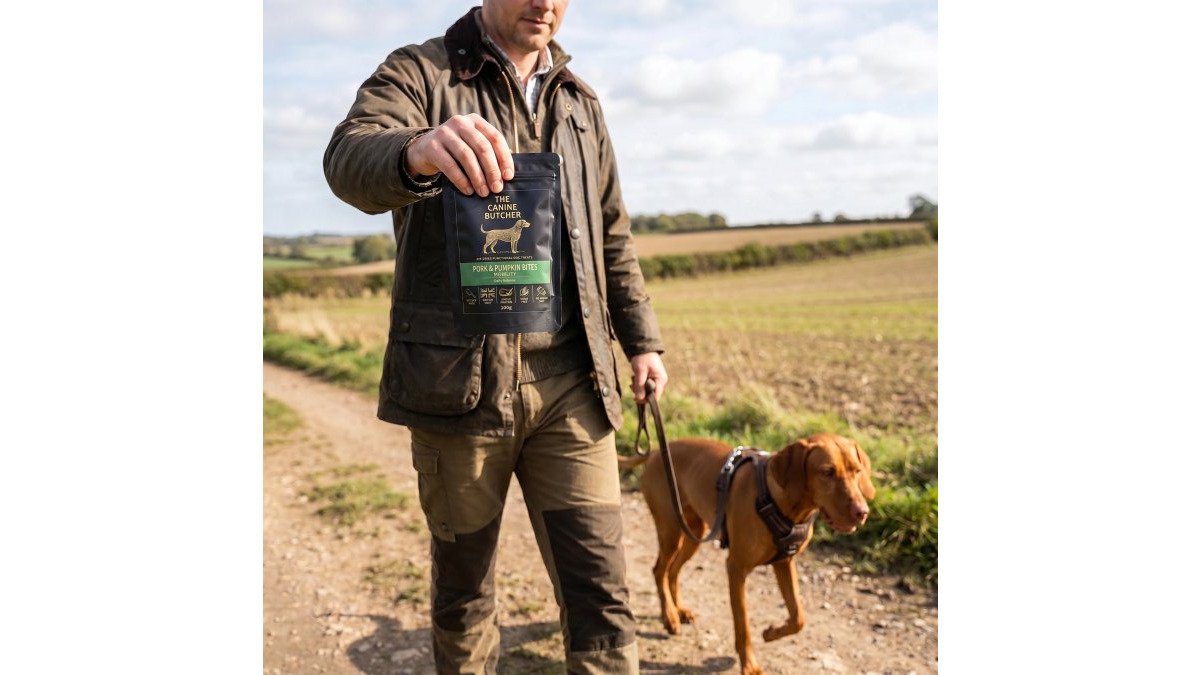
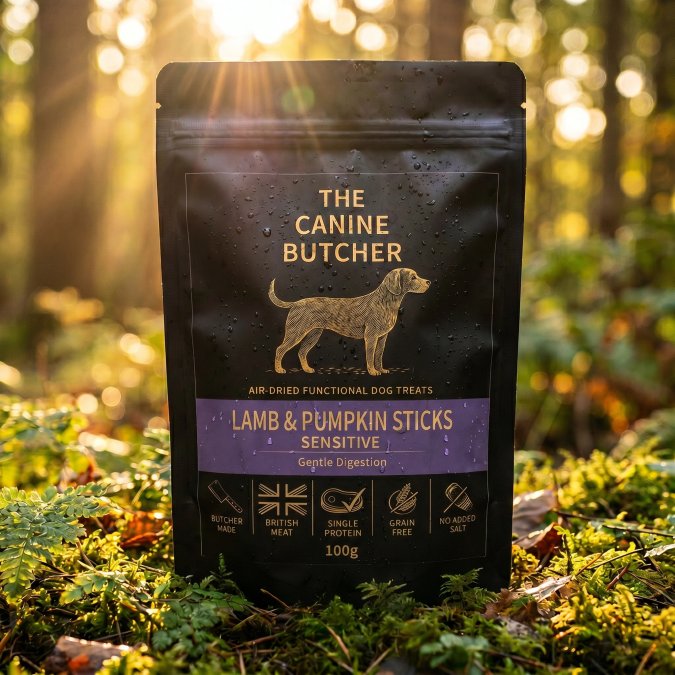
If you're training an older or larger puppy, you might want slightly bigger pieces, but the principle stays the same: the treat should be gone in seconds, not minutes. Our Lamb & Pumpkin Bites are designed with this in mind, small enough for focused training rewards, but substantial enough to feel rewarding to your puppy.

Puppy Treat Ingredients: What to Look For
What's actually in the treat matters more than the marketing on the packet. Puppies are still building their immune system and developing their gut health. Poor-quality ingredients can cause digestive upset, allergic reactions, or nutritional imbalances that affect their growth.
The best puppy training treats are made from recognisable, simple ingredients. You should be able to read the ingredient list and understand what each item is. Meat should be the first ingredient, real meat, not meat meal or meat by-products. Fillers, artificial colours, and synthetic preservatives have no place in treats for a developing puppy.
Single-protein options for sensitive stomachs
Puppies with sensitive digestion benefit hugely from single-protein treats. These contain one type of meat and nothing else complicated, no mixed proteins, no mystery ingredients, no additives that might trigger a reaction.
Single-protein treats are easier for your puppy's digestive system to process. If your puppy has a reaction to a treat, you know exactly which protein caused it. This makes it much simpler to identify what your puppy can and can't tolerate.
Lamb is a particularly gentle choice for puppies with sensitive stomachs. Our Lamb & Pumpkin Bites use single-protein lamb with pumpkin to naturally support everyday digestion, designed specifically for puppies that need a gentler option.
If your puppy tolerates lamb well, you might also explore other single proteins like beef or chicken, depending on your puppy's response.
Avoiding fillers and artificial additives
Fillers are cheap ingredients used to bulk out treats without adding real nutrition. Common fillers include corn, wheat, soy, and cellulose. They're inexpensive for manufacturers but offer little benefit to your puppy and can cause digestive upset.
Artificial preservatives, colours, and flavourings are another red flag. Your puppy doesn't need them, and some can trigger sensitivities or allergic reactions. Natural preservation methods, like air-drying, are far gentler and more appropriate for a developing puppy.
Check the ingredient list for anything you don't recognise or can't pronounce. If it reads like a chemistry experiment, it's probably not ideal for a young dog. Simple, whole ingredients are always the better choice.
How Many Treats Can a Puppy Have
Treats should make up no more than 10% of your puppy's daily calorie intake. The other 90% should come from their main puppy food. This balance ensures your puppy gets complete nutrition while still enjoying training rewards.
Lamb & Pumpkin Bites – SENSITIVE →
The exact number of treats depends on your puppy's age, size, and the size of the treats themselves. A tiny 8-week-old puppy needs far fewer treats than a 4-month-old. Smaller treats mean you can give more frequent rewards without exceeding that 10% threshold.
During an intensive training session, you might use 20-30 small treats spread over 15-20 minutes. That's perfectly fine if you're adjusting their main meals slightly to account for the extra calories. Many trainers reduce the main meal portion on training days to keep the overall calorie intake balanced.
Watch your puppy's body condition as you train. A puppy should have a visible waist when viewed from above and you should be able to feel their ribs without pressing hard. If your puppy is gaining weight too quickly or becoming chubby, reduce treat portions or training frequency.
Introducing New Treats Safely
Never switch to a new treat suddenly. Puppies have sensitive digestive systems, and abrupt changes can cause loose stools, vomiting, or other upset (pubmed.ncbi.nlm.nih.gov). A gradual introduction gives their system time to adapt.
Start by mixing a small amount of the new treat with their familiar treats for the first few days. Watch for any signs of digestive upset, loose stools, vomiting, or reluctance to eat. If your puppy handles this well, gradually increase the proportion of the new treat over a week.
If your puppy shows any signs of digestive upset during this process, stop using the new treat and consult your veterinary professional. Some puppies do have genuine sensitivities to specific proteins or ingredients, and it's worth identifying these early.
Keep a simple note of which treats your puppy has tried and how they've responded. This becomes invaluable if you ever need to discuss allergies or sensitivities with your vet.
Pro Tip
When introducing a new treat during training, do it on a calm day when your puppy isn't already stressed. Stress can make digestive upset more likely, so save new treats for relaxed moments rather than high-energy training sessions.
Puppy Training Treat Checklist
Use this checklist to evaluate whether a treat is suitable for puppy training:
| Criterion | What to Look For |
|---|---|
| Size | Small enough to eat in one or two bites |
| Ingredients | Real meat as the first ingredient; recognisable, simple items |
| Fillers | None, no corn, wheat, soy, or cellulose |
| Additives | No artificial colours, flavours, or synthetic preservatives |
| Digestibility | Single-protein or proven gentle formula |
| Calorie density | Appropriate for 10% of daily intake rule |
| Palatability | Your puppy actually wants to eat them |
| Storage | Stays fresh without refrigeration (air-dried treats work well) |
- Treats are small and appropriate for your puppy's size
- Meat is the main ingredient
- No fillers or artificial additives
- Single-protein or gentle formula
- Your puppy has eaten them without digestive upset
- They're easy to carry during training sessions
- You understand the calorie content and adjust meals accordingly
- Your puppy is enthusiastic about them during training
Conclusion
Choosing the right treats for puppy training isn't complicated, but it does require a bit of thought. Small, simple, meat-based treats with no fillers or artificial additives are always the best bet. They keep your puppy focused during training, support healthy digestion, and give you confidence that you're feeding something genuinely good.
The treats you pick now set the foundation for your puppy's relationship with food and training. Get this right, and training becomes easier and your puppy's digestion stays settled.
If your puppy has a sensitive stomach or you're looking for treats made with real, recognisable ingredients, explore our Lamb & Pumpkin Bites. They're designed specifically for puppies, small enough for focused training rewards, made with single-protein British lamb and pumpkin to support everyday digestion, and completely free from fillers and artificial preservatives. Shop our air-dried puppy treats and see why discerning dog owners choose quality over convenience.
When you're building your puppy's training foundation, every small decision matters. The treats you choose influence not just their learning, but their long-term health and digestion. At The Canine Butcher, we've made it simple: real meat, recognisable ingredients, no fillers, no artificial preservatives. Explore our Discovery Pack to find which of our air-dried treats your puppy loves most, and train with complete confidence.

Frequently Asked Questions
What should I look for in treats for puppy training?
Look for treats that are small enough for frequent rewarding without overfeeding, made from simple, recognisable ingredients, and suited to your puppy's age and size. Single-protein treats work well for puppies with sensitive stomachs. Avoid treats with artificial preservatives, excessive fillers, or added salt. High-meat content and grain-free options are generally better choices for developing puppies.
How small should puppy training treats be?
Training treats for puppies should be bite-sized, roughly the size of a pea to a small pebble depending on your puppy's age and breed. Smaller treats let you reward frequently without overfeeding, which is crucial during training sessions. Bite-sized pieces also reduce choking risk and make it easier for puppies to swallow quickly so they stay focused on the next command.
How many treats can a puppy have during the day?
Treats should make up no more than 10% of your puppy's daily calorie intake. The rest should come from their regular puppy food. During training sessions, use very small portions and account for them in your puppy's daily total. If you're doing multiple short training sessions, reduce the size and frequency of treats accordingly. Always consult your veterinary surgeon about appropriate portion sizes for your puppy's age and weight.
What ingredients should I avoid in puppy treats?
Avoid treats with artificial preservatives, synthetic colours, excessive fillers, added salt, or ingredients you don't recognise. Be cautious with high-sugar treats. If your puppy has a sensitive stomach, avoid treats with multiple proteins or grains. Stick to simple, single-protein options made from recognisable meat and natural ingredients.