Cart
0
featuredImage: https://cdn.marblism.com/ZH_OQJyx_ok.webp

Dietary management is critical for dogs with sensitive stomachs.
Treats are often the overlooked variable in a dog's digestive health.
Many commercial options contain ingredients that trigger adverse reactions.
Owners frequently prioritize flavor over ingredient transparency.
This leads to recurring gastrointestinal distress.
Understanding common mistakes allows for better health outcomes.
Professional butchery and gentle processing offer a solution.
1. Choosing Multi-Ingredient Formulas
Many owners purchase treats containing long lists of ingredients.
Complex formulas make it impossible to identify specific triggers.
If a dog has a reaction, the owner cannot pinpoint the cause.
Sensitive stomachs require simplicity.
The solution is to switch to single-protein dog treats.
Single-protein recipes use only one animal source.
This isolation allows for clear dietary control.
It eliminates the risk of hidden allergens from secondary protein sources.
2. Overlooking Hidden Fillers and Grains
Mass-produced treats often use fillers to reduce production costs.
Common fillers include wheat, corn, soy, and pea protein.
These ingredients provide little nutritional value to a carnivore.
They are difficult for a sensitive digestive system to process.
Fillers can cause bloating and inflammation.
Check labels for any ingredient that is not a recognized meat cut.
High-quality treats avoid these unnecessary carbohydrates entirely.
The focus should remain on meat-based nutrition.

3. Relying on High-Heat Processed Treats
Most dog treats are manufactured using extrusion or high-heat baking.
High temperatures alter the molecular structure of proteins.
This denaturation makes the protein harder for the gut to break down.
Heat also destroys naturally occurring enzymes and vitamins.
Manufacturers then add synthetic vitamins back into the product.
These synthetics are less bioavailable than natural nutrients.
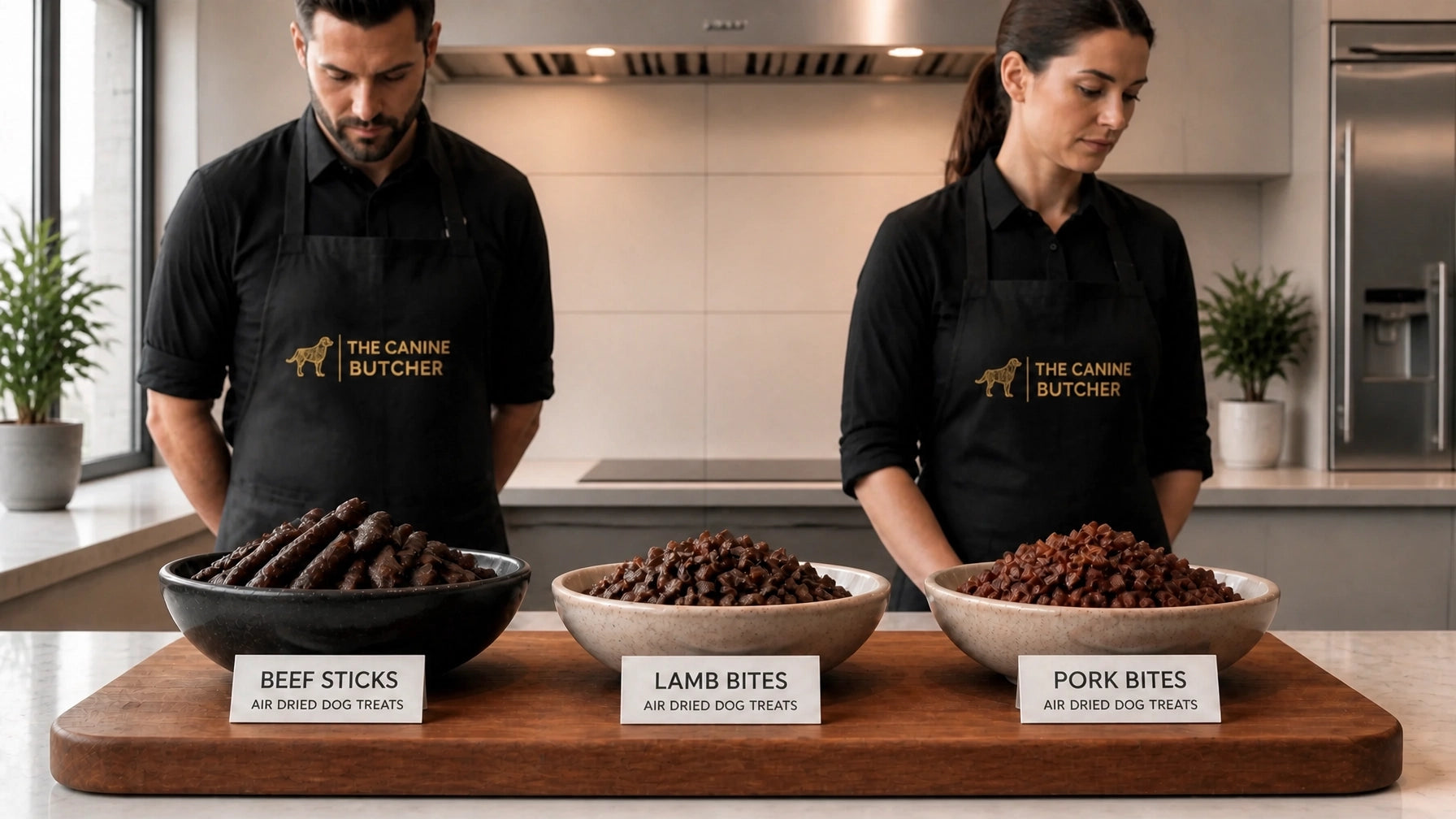
The fix is choosing air-dried dog treats.
Air-drying uses a gentle, low-temperature process.
It preserves the integrity of the meat while removing moisture.
The result is a nutrient-dense treat that is easy to digest.
4. Ignoring Artificial Preservatives and Colors
Vibrant colors and long shelf lives often come at a cost.
Artificial preservatives like BHA, BHT, and Ethoxyquin are common in pet food.
These chemicals are known irritants for dogs with gastric sensitivities.
Artificial colors are used solely for human visual appeal.
Dogs do not benefit from added dyes.
These additives place an unnecessary burden on the dog's liver and kidneys.
Transparent brands use natural preservation methods.
Air-drying is a traditional, natural way to preserve meat without chemicals.
Read more about the truth about preservatives in dog treats.
5. Trusting Factory-Made Over Butcher-Crafted
Factory-made treats prioritize volume and speed.
They often use meat meals or "animal derivatives."
These terms are vague and cover low-quality by-products.
Butcher-made treats utilize real cuts of meat.
A butcher understands the quality of the raw material.
They select specific cuts that are lean and digestible.
Hand-crafted processes ensure quality control at every stage.
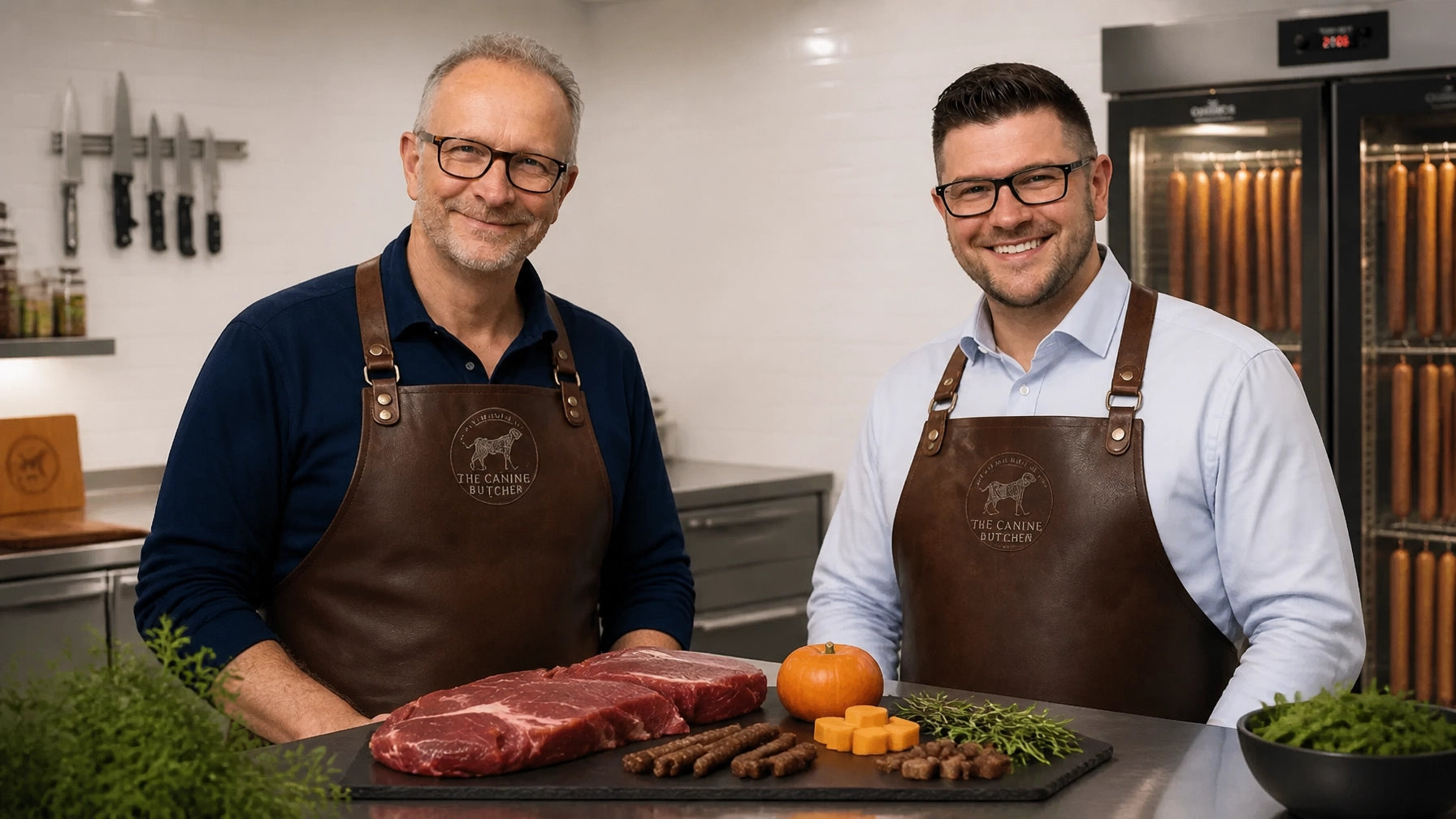
The Canine Butcher uses actual butchers to prepare every batch.
This ensures the treats meet human-grade standards.

6. Inconsistent Protein Sourcing
Inconsistency in a dog's diet leads to digestive instability.
Switching between various brands often means switching between various meat qualities.
Low-quality proteins contain more connective tissue and fat.
These are harder to digest than muscle meat or organ meat.
Standardizing the source of protein helps stabilize the gut microbiome.
If a dog thrives on beef, stick to high-quality beef treats.
If they require a novel protein, ensure it is the primary ingredient.
The Sensitive Dog Treats collection provides consistent, high-quality options.
7. Feeding Excessive Quantities
Even the best treat can cause issues if overfed.
Treats should not exceed 10% of a dog's daily caloric intake.
Excessive treats can dilute the balance of the main diet.
They can also cause loose stools due to over-concentration of nutrients.
Owners often use treats as a substitute for attention or play.
This leads to weight gain and digestive lethargy.
Use treats intentionally for training or specific rewards.
Monitor the dog's response to different quantities.
Guidance on how often to give your dog treats is essential for long-term health.

How to Correct Digestive Issues Through Better Treats
Fixing these mistakes requires a shift in purchasing habits.
Start by auditing the current treats in the pantry.
Discard products with complex ingredient lists or chemical additives.
Introduce single-protein recipes one at a time.
Observe the dog's digestion over a period of seven days.
Improved stool quality and reduced gas are primary indicators of success.
Air-dried treats offer the best balance of nutrition and safety.
They provide the taste of raw meat with the convenience of a dry snack.
Why Butcher-Made Quality Matters
The difference between a factory and a butcher shop is transparency.
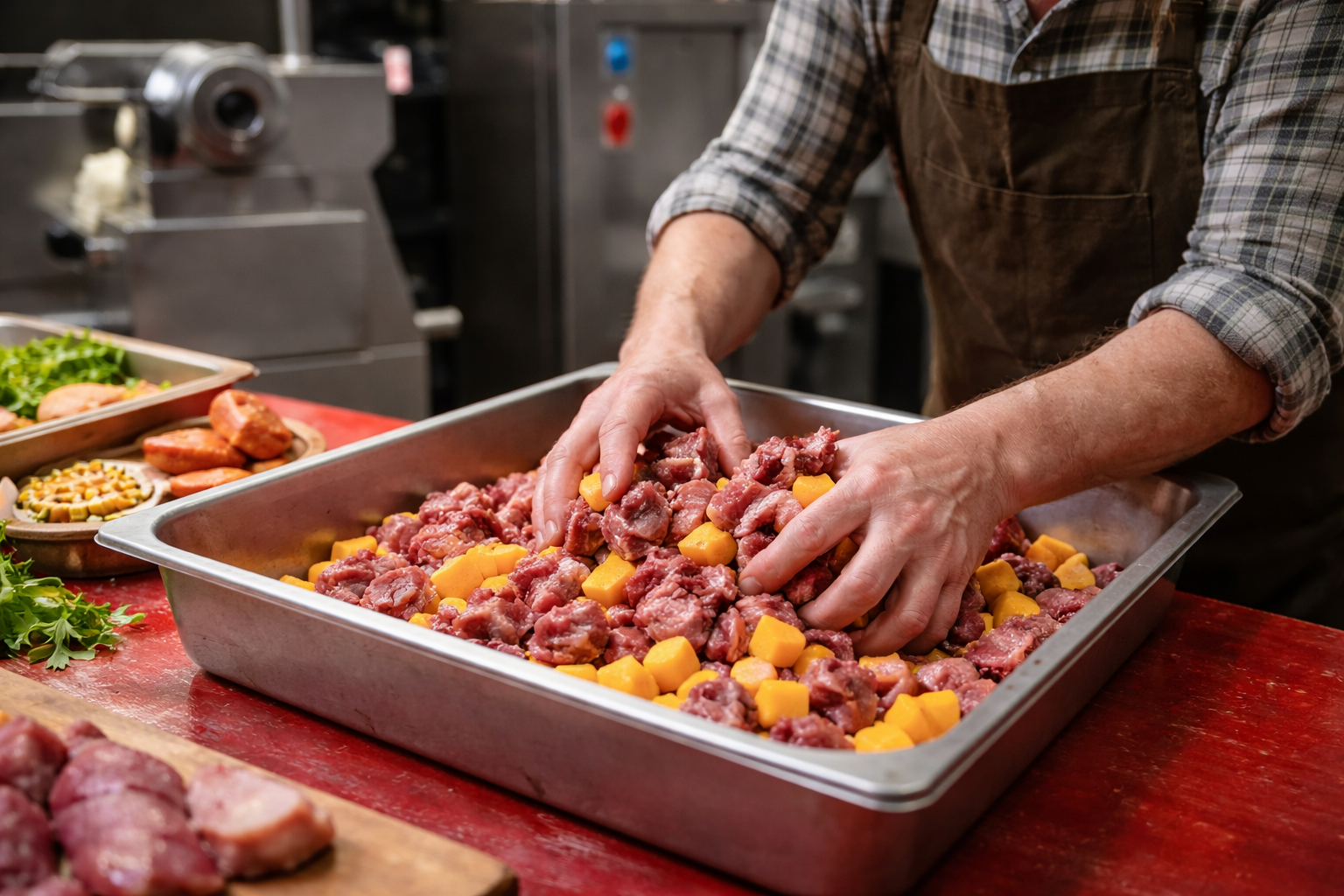
A butcher handles the meat directly.
They remove excess fat and undesirable parts.
The air-drying process then locks in the natural flavor.
This removes the need for artificial flavor enhancers or salt.
For a dog with a sensitive stomach, every detail matters.
The Canine Butcher focuses on how to choose healthy dog treats by providing real food.
No fillers.
No chemicals.
Just real meat.
Summary of Fixes for Sensitive Stomachs
- Identify the single protein that suits the dog.
- Avoid all grains, fillers, and additives.
- Select air-dried products to ensure high digestibility.
- Source treats from trusted, butcher-led producers.
- Maintain a strict caloric limit for treats.
Following these steps reduces the frequency of digestive upset.
It ensures that reward time remains a positive experience for the dog.
Consistent quality is the foundation of canine health.
Explore the full range of butcher-made options to find the best fit for your pet.