Cart
0

The pet food industry is currently dominated by the "grain-free" label.
Many dog owners view this label as a gold standard for health.
The reality is more complex than a simple marketing claim.
Choosing the right snacks for your pet requires an understanding of ingredients beyond the packaging buzzwords.
Grains are often blamed for a variety of canine health issues.
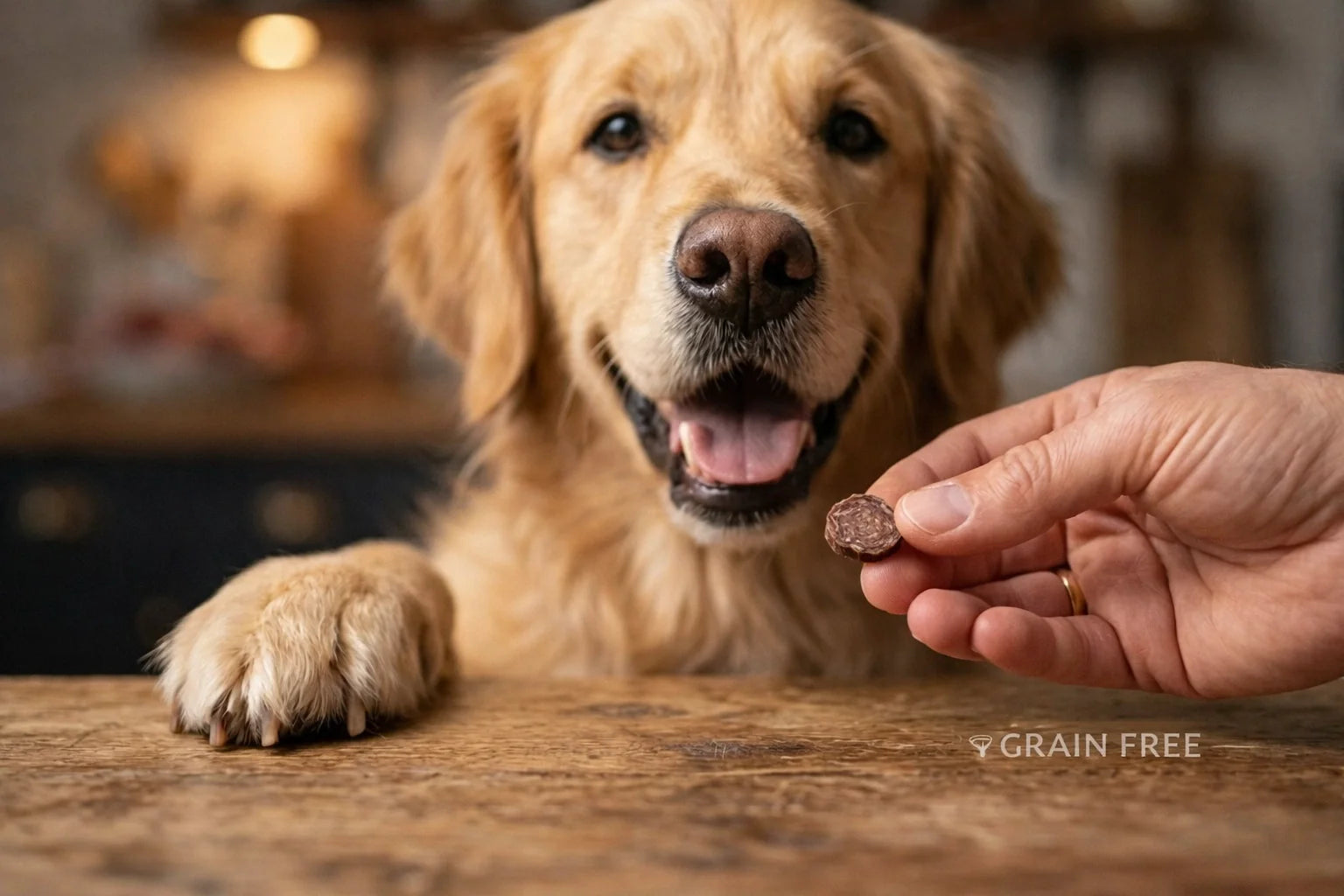
Owners of dogs with sensitive stomachs frequently seek out grain free dog treats to avoid digestive upset.
However, the absence of grain does not automatically equate to a high-quality product.
The truth lies in what is added to the recipe as a replacement.
The Rise of the Grain-Free Trend
Grain-free diets gained popularity following concerns about canine allergies.
Many believe that dogs are strictly carnivores and cannot process carbohydrates.
Biologically, dogs have evolved to digest starch more efficiently than their wolf ancestors.
The issue is rarely the grain itself but rather the quality and quantity used in mass production.
Cheap grains like wheat, maize, and soy are often used as fillers.
These ingredients provide low-cost calories but offer minimal nutritional value for a dog.
When a brand removes grain, they must replace that bulk with another carbohydrate source.
Common replacements include pea flour, potato starch, or lentil fiber.
These starches can be just as difficult for a dog to digest as the grains they replaced.
True healthy dog treats focus on the primary protein source rather than just the absence of grain.
The Problem with Fillers and Preservatives

Most commercial treats are produced in large factories.
Factories prioritize shelf life and production speed over nutritional integrity.
To keep costs down, manufacturers use "fillers" to add weight to the product.
These fillers often include artificial preservatives to prevent spoilage during long-term storage.
Natural dog treats should rely on the quality of the raw material rather than chemical stabilizers.
Preservatives like BHA, BHT, and ethoxyquin are common in low-grade pet snacks.
These chemicals are often linked to long-term health concerns in animals.
Fillers also dilute the nutrient density of the treat.
Your dog may be consuming high amounts of empty calories without the essential amino acids found in real meat.
The focus should be on understanding dog treat ingredients before making a purchase.
Meat Meal vs. Real Meat
The most critical component of any dog treat is the protein.
Most mass-market treats list "meat meal" as the primary ingredient.
Meat meal is a concentrated powder made from rendering animal tissues.
The rendering process involves cooking animal parts at extremely high temperatures.
This process removes moisture but also destroys many natural enzymes and sensitive nutrients.
Meat meal is often "double-cooked" because it is processed once during rendering and again during treat manufacturing.
In contrast, real meat provides a more bioavailable source of protein.
Real cuts of meat retain their natural structure and flavor profile.
At The Canine Butcher, we use actual cuts of meat rather than rendered powders.
This ensures that the natural dog treats we provide are as close to a raw diet as possible.
High-quality meat is more expensive, but the nutritional payoff is significantly higher.
The Superiority of Air-Drying

The method of preparation is just as important as the ingredients.
Most commercial treats are baked at high heat or extruded through machinery.
High-heat processing can alter the molecular structure of proteins.
This makes the protein harder for a dog's body to recognize and digest.
Air-drying is a traditional preservation method used by butchers for centuries.
It involves a gentle, low-temperature process that removes moisture over an extended period.
This method locks in the natural flavor and nutrition of the meat without the need for artificial additives.
The result is a treat that is shelf-stable but remains nutrient-dense.
Air-dried treats do not require the heavy use of starches or binders to hold their shape.
This makes them an ideal choice for owners looking for grain free dog treats that are also filler-free.
The texture is also more appealing to dogs, as it retains the natural chewiness of meat.
Managing a Sensitive Stomach

Many dogs suffer from food sensitivities and digestive distress.
Symptoms include itchy skin, chronic ear infections, and loose stools.
These issues are frequently caused by complex ingredient lists with too many variables.
If a treat contains five different proteins and three types of filler, identifying the trigger is impossible.
A dog treats sensitive stomach strategy involves simplification.
Single-protein recipes are the most effective way to manage food sensitivities.
By using only one animal source, you eliminate the risk of cross-contamination from other allergens.
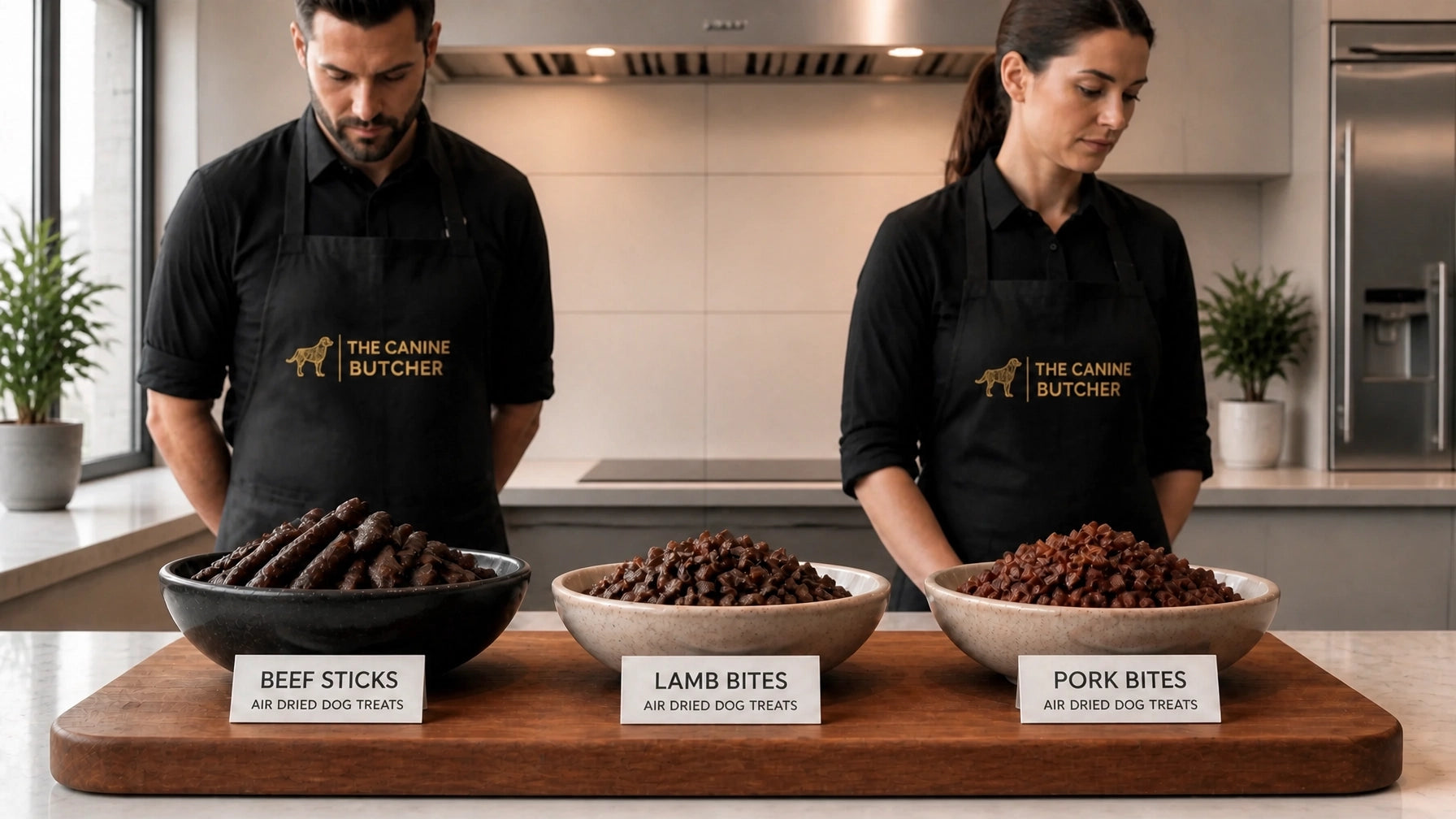
Our Discovery Pack allows owners to test different single-protein options to see which suits their dog best.
We often pair meat with simple, functional ingredients like pumpkin.
Pumpkin is high in fiber and helps regulate the digestive system naturally.
This approach provides a "grain-free" benefit without sacrificing nutritional complexity.
The Role of the Butcher

Most pet treats are made by food scientists in industrial parks.
The Canine Butcher takes a different approach by returning to traditional methods.
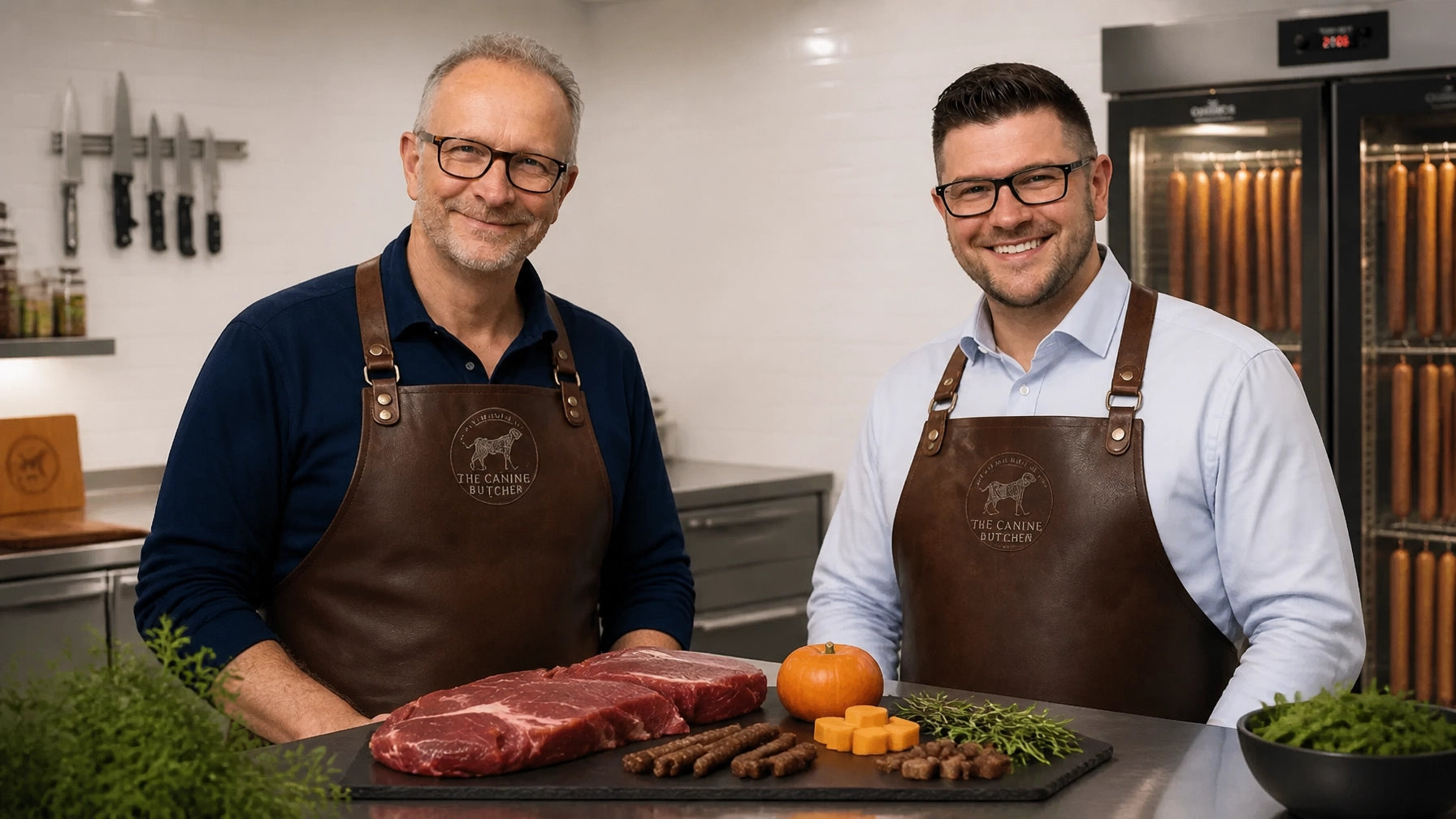
Our treats are made by actual butchers who understand the quality of different cuts of meat.
We handle the raw ingredients ourselves, ensuring full transparency in the supply chain.
There is no "mystery meat" or "animal derivatives" in our workshop.
We select meat based on its freshness and nutritional profile.
This hands-on approach allows for a level of quality control that factories cannot match.
Every batch is monitored to ensure the air-drying process is perfect.
This craftsmanship is why single protein dog treats matter to us and our customers.
We prioritize the health of the dog over the speed of the production line.
How to Choose the Right Treat
Do not be swayed by bold claims on the front of the bag.
Turn the bag over and read the full ingredient list.
The first ingredient should always be a specific meat, such as "Beef" or "Chicken."
Avoid products that list "Cereals," "Meat and Animal Derivatives," or "Vegetable Protein Extracts."
These are vague terms used to hide low-quality ingredients.
If the ingredient list is long and contains words you cannot pronounce, it is likely highly processed.
Natural treats should have short, transparent ingredient lists.
Check for the presence of artificial colors or sugars, which are often added to make treats more palatable.
A high-quality treat does not need sugar or salt to attract a dog's attention.
The natural aroma of air-dried meat is enough to motivate any dog.
The Verdict on Grain-Free

Grain-free is a useful tool for dogs with specific allergies to wheat or maize.
However, it is not a cure-all for canine health.
A grain-free treat filled with potato starch and chemical preservatives is not a healthy choice.
The "truth" is that meat quality is the most significant factor in a dog's diet.
Focus on treats that prioritize real, butcher-grade meat.
Look for transparent processing methods like air-drying.
Choose single-protein options if your dog has a sensitive stomach.
By moving beyond the grain-free hype, you can provide your dog with nutrition that truly supports their wellbeing.
High-quality ingredients lead to a healthier, happier life for your pet.
The Canine Butcher remains committed to providing these simple, effective solutions.
Explore our full range of butcher-made treats to see the difference for yourself.