Cart
0
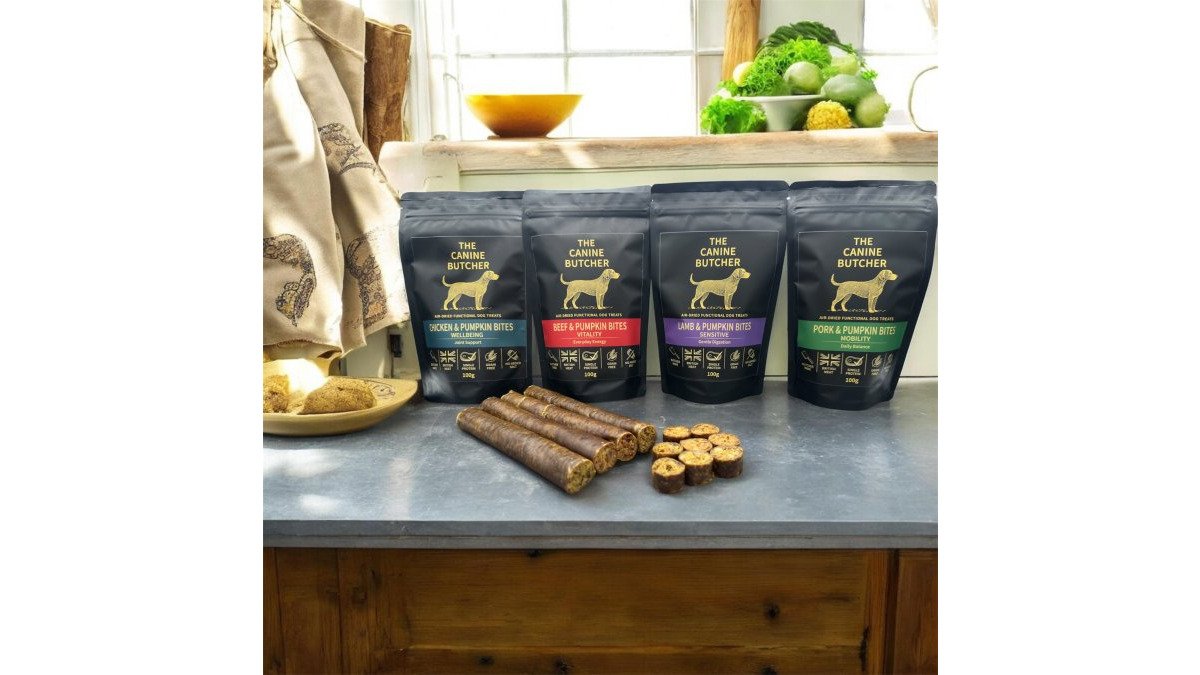
Table of Contents
- Why Grain Free Treats Win Over Picky Dogs
- Best Grain Free Treats for Picky Dogs: Quick Comparison
- 1. Lamb & Pumpkin Bites (Sensitive): Best for Fussy Dogs With Sensitive Stomachs
- 2. Discovery Pack: Best for Finding Out What a Picky Dog Will Actually Eat
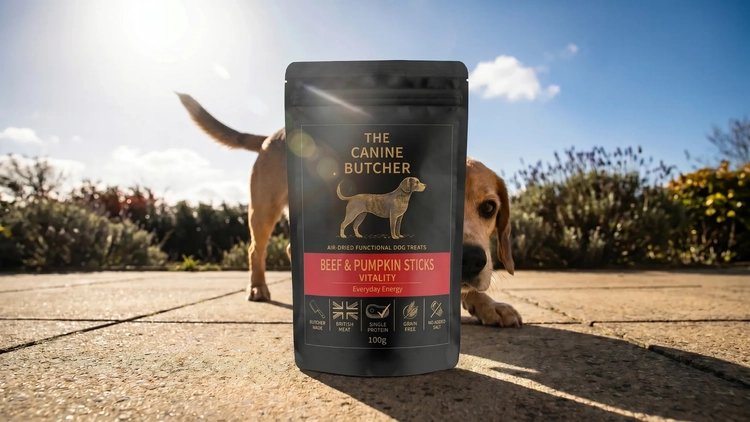
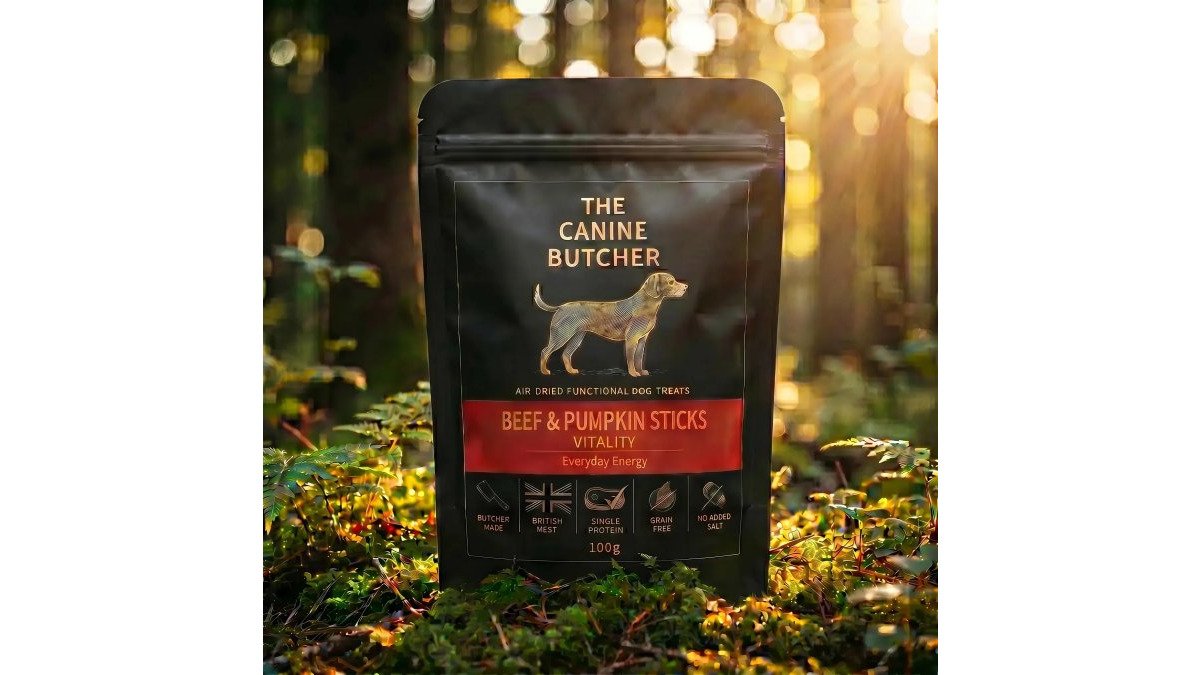
- 3. Beef & Pumpkin Bites (Vitality): Best Everyday High-Meat Reward
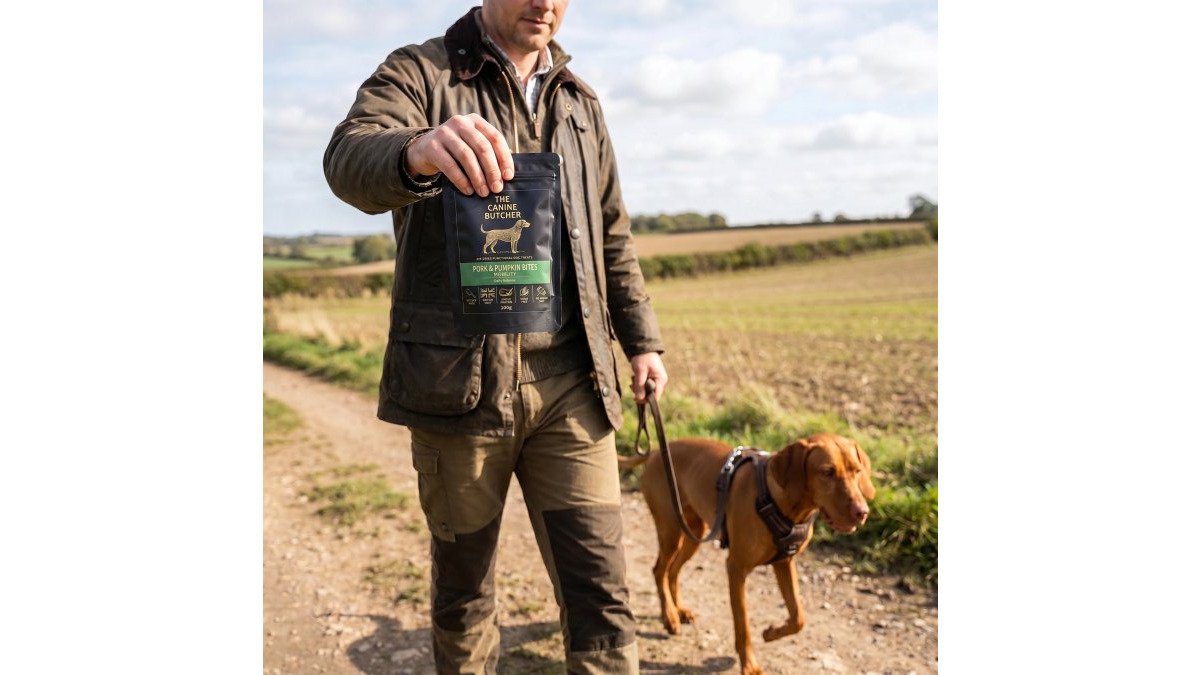
- 4. Pork & Pumpkin Bites (Mobility): Best for Older Dogs Who Still Love Their Food
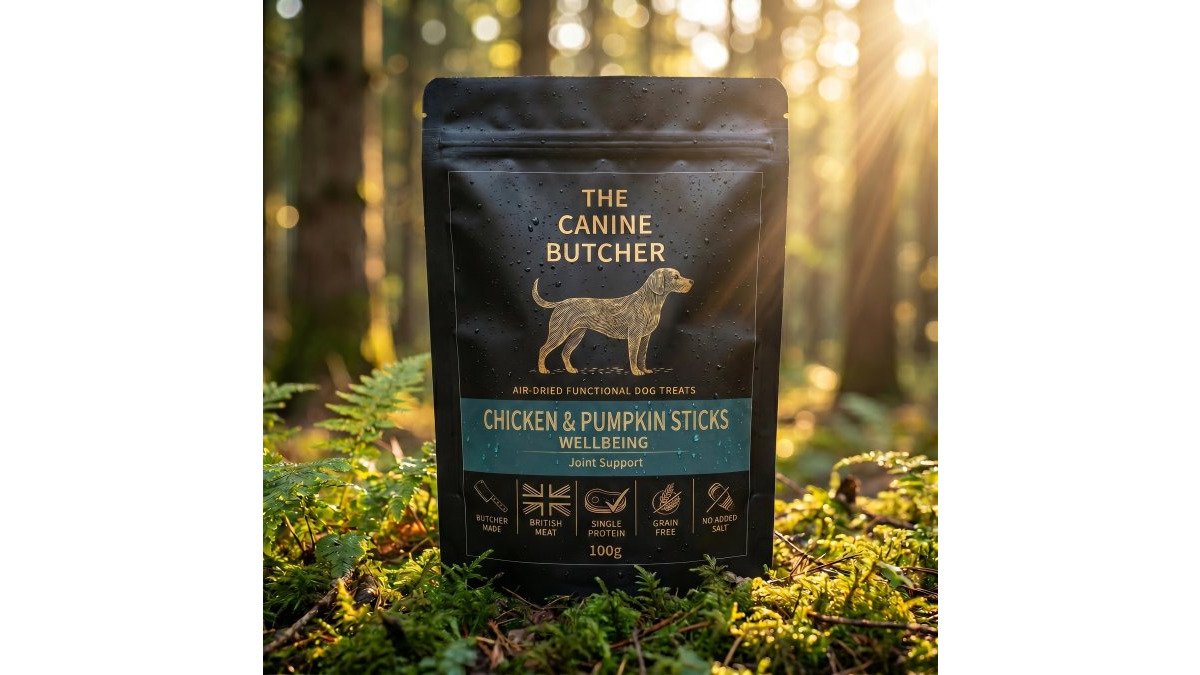
- 5. Chicken & Pumpkin Bites (Wellbeing): Best Value Entry Point
- 6. Lamb & Pumpkin Sticks (Sensitive): Best for Bigger Dogs and Longer Chews
- Frequently Asked Questions
Last Updated: September 28, 2026
Why Grain Free Treats Win Over Picky Dogs
Grain free treats are dog snacks made without wheat, barley, rye or other cereal grains, relying instead on meat, offal and simple plant ingredients. For a fussy dog, that matters: fewer filler ingredients means a more concentrated meaty smell and taste, which is usually what gets a reluctant eater interested. At The Canine Butcher, we make air-dried, single-protein treats from British meat, and the pattern we see again and again is simple. A dog that turns its nose up at a biscuit-style snack will often take a piece of real dried meat straight away.
Texture plays a bigger role than most owners expect. Many everyday treats are baked hard and uniform, and a picky dog loses interest fast. Air-drying leaves a dense, chewy bite with a strong savoury aroma, and that combination tends to hold attention.
There is a practical side too. If you are working out which proteins suit your dog, PDSA's advice on dog diets and allergies is a sensible starting point before you change anything.
Key Takeaway
The single biggest reason a picky dog refuses a treat is usually smell and texture, not flavour variety. A high-meat, air-dried treat solves both at once.
Best Grain Free Treats for Picky Dogs: Quick Comparison
Here is the short version, so you can scan before reading the detail. Every option below is grain-free, single-protein and air-dried, and each one is built around a different need.
| Product | Protein | Format | Best For | Price |
|---|---|---|---|---|
| Discovery Pack | Beef, Lamb, Chicken, Pork | Bites or Sticks | Finding a favourite | £21.99 |
| Lamb & Pumpkin Bites | Lamb | Bites | Sensitive stomachs | £6.99 |
| Beef & Pumpkin Bites | Beef | Bites | Everyday rewards | £6.99 |
| Pork & Pumpkin Bites | Pork | Bites | Mobility | £6.99 |
| Chicken & Pumpkin Bites | Chicken | Bites | Wellbeing | £6.99 |
| Lamb & Pumpkin Sticks | Lamb | Sticks | Sensitive | £6.99 |
1. Lamb & Pumpkin Bites (Sensitive): Best for Fussy Dogs With Sensitive Stomachs
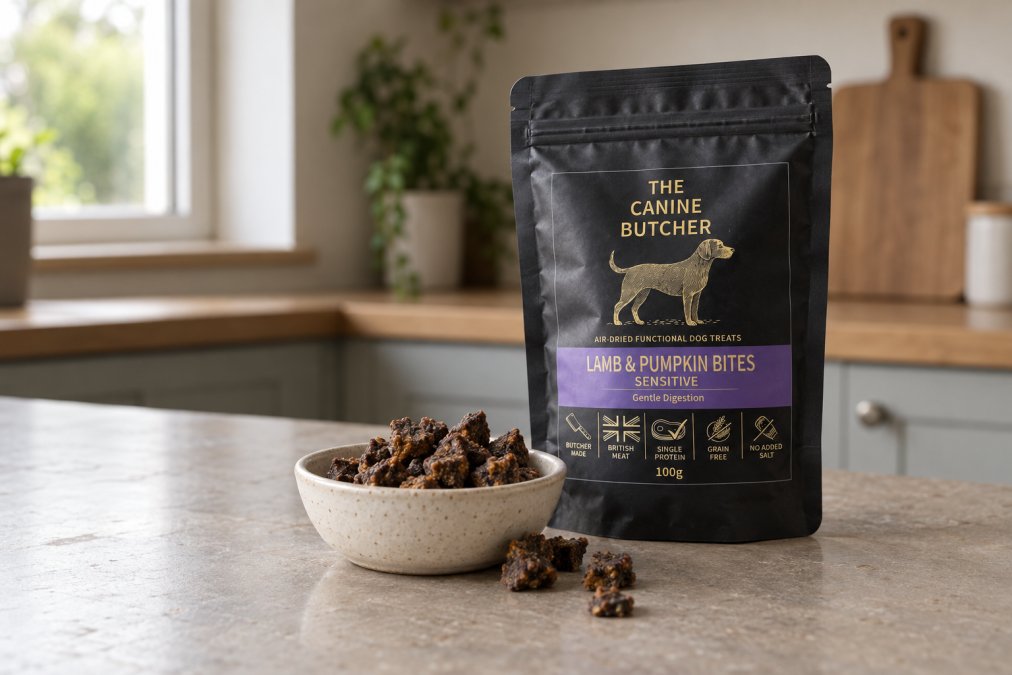
If your dog has a delicate digestion and a fussy streak, this is the one to try first. It is a single-protein lamb recipe with no grain and no unnecessary fillers, which keeps the ingredient list short and easy to monitor.

Lamb trim, lamb heart and lamb liver give it a high meat content, while pumpkin naturally supports everyday digestion. Ginger, turmeric, chamomile and fennel round it out. The bites are small, so they work well for frequent rewarding without overdoing it.
Pros: single protein, simple recipe, gentle on sensitive diets, easy to break the routine down if needed.
Cons: if your dog has never had lamb, you will not know whether it suits them until you try it.
Pro Tip
When introducing any new protein, offer one piece and wait a day before offering more. It makes it far easier to spot what agrees with your dog and what does not.
2. Discovery Pack: Best for Finding Out What a Picky Dog Will Actually Eat
Buying a full pouch of something your dog may reject is the most common frustration we hear about. The Discovery Pack solves that by giving you all four recipes, Beef, Lamb, Chicken and Pork, in one box, available as Bites or Sticks.
At £21.99 it is the sensible starting point for a first-time customer or a dog that has never had air-dried meat before. Feed a few pieces of each across several days and you will quickly learn which protein your dog goes for first. That turns guesswork into an actual answer.
Pros: four proteins in one purchase, no wasted full pouches, works for both small and larger dogs depending on format.
Cons: costs more upfront than a single pouch, which only makes sense if you are genuinely unsure.
3. Beef & Pumpkin Bites (Vitality): Best Everyday High-Meat Reward
For a dog that eats well but is simply choosy about treats, beef is the reliable middle ground. This is a high-meat, single-protein recipe made with British beef, beef heart and beef liver, created with everyday vitality in mind.
Pumpkin naturally supports everyday digestion, and the botanical blend includes ginger, turmeric, spirulina and rosehip. The bite-sized format suits training, walks and general rewarding. If you want one pouch that covers most situations, this is our pick.
Pros: strong meaty aroma that gets attention, versatile bite size, suitable for adult and active dogs.
Cons: beef is a common protein, so it is less useful if you are deliberately avoiding it.
4. Pork & Pumpkin Bites (Mobility): Best for Older Dogs Who Still Love Their Food
This single-protein pork recipe is made with British pork, pork heart and pork liver, and created to naturally support everyday mobility.
Ginger, turmeric, rosehip and black pepper sit alongside pumpkin, which naturally supports everyday digestion. The bites are small enough to use as a regular reward.
Natural dog treats variety pack uk →
Pros: designed with movement in mind, high meat content, easy bite size for senior dogs.
Cons: not the first choice if your dog has never had pork and you are unsure how they handle it.
5. Chicken & Pumpkin Bites (Wellbeing): Best Value Entry Point
Chicken is the protein most dogs have already eaten, which makes this the lowest-risk first purchase. It is a high-meat, single-protein recipe made with British chicken and chicken liver, created with everyday wellbeing in mind.
The botanical blend here is ginger, turmeric, chamomile and lemon balm, with pumpkin to naturally support everyday digestion. At £6.99 for a 100g resealable pouch, it offers a familiar flavour for testing whether air-dried treats hold your picky dog's interest.
Pros: familiar flavour, lowest-risk starting point, resealable pouch keeps it fresh.
Cons: if chicken is already a suspect in your dog's diet, choose a different protein instead.
6. Lamb & Pumpkin Sticks (Sensitive): Best for Bigger Dogs and Longer Chews
Small bites disappear in seconds with a large dog. These sticks are the same gentle lamb recipe as our Sensitive bites, but formed into longer, firmer pieces that suit medium and larger breeds.
They are easy to break by hand, so you can size the portion to your dog rather than the other way round. That makes them useful for enrichment moments or whenever you want a treat that lasts a bit longer than a single bite.
Pros: longer chew time, hand-breakable for flexible portioning, same simple lamb recipe.
Cons: too much for a very small dog unless you break them down.
If your dog has a diagnosed allergy or you are unsure which proteins are safe, speak to your vet before introducing anything new.
Frequently Asked Questions
Why do some dogs become picky with their treats?
Dogs often turn their noses up at treats that are dry, crumbly or heavy on cereal fillers. Texture and aroma matter far more to dogs than they do to us, so a soft, bland biscuit loses out to anything that smells strongly of real meat. Some dogs also go off a treat after a bad experience, or simply because the same flavour has been offered too often. Rotating two or three proteins usually keeps interest high, and a mixed selection is the quickest way to find what a fussy dog actually wants.
Are grain free treats better for dogs with sensitive stomachs?
Grain free is not automatically gentler, but it can help when a dog reacts to a specific cereal ingredient. What tends to matter more is keeping the recipe short and the protein single, so it is easier to spot what suits your dog. Our Sensitive range uses lamb as its only protein, with pumpkin to naturally support everyday digestion, and no fillers, added salt or artificial preservatives. If your dog has a long-standing digestive problem, speak to your vet before making significant changes.
How can I tell if a grain free treat is high quality?
Read the ingredient list and count how many items you actually recognise. A high-meat treat should lead with named cuts such as lamb trim, heart and liver, not with starches or syrups. Look for a stated protein source, a short list, and a production method that preserves flavour without additives. Air-drying is a good sign because it creates a naturally stable treat without added salt or artificial preservatives. If the pack is vague about what is inside, that tells you something too.
Do grain free treats cause gas in dogs?
They can, and the usual reason is not the absence of grain but what replaced it. Recipes that swap cereals for large amounts of pea, chickpea or other legume flours can ferment in the gut and produce wind. Sudden changes make it worse, so introduce any new treat gradually over a week or so. Treats built on single proteins and simple ingredients, like our air-dried range, are less likely to unsettle a dog than a heavily blended recipe.
How many treats should I give my dog per day?
Treats are a complement to a balanced diet, not a replacement for it, so keep them to roughly a tenth of your dog's daily food intake. For a small dog that may be just a few bite-sized pieces, while a larger dog can take a stick or two broken into portions. Reduce the main meal slightly on heavy treat days. If your dog is overweight, on a prescribed diet or has a health condition, ask your vet what an appropriate daily amount looks like.
Picky eating is frustrating, and it usually comes down to the same problem: treats built around fillers rather than meat. At The Canine Butcher, we make air-dried, single-protein treats from British meat, with no fillers, no added salt and no synthetic preservatives, so the smell and taste do the work for you. Start with the Discovery Pack to find your dog's favourite, then settle into the recipe that suits them. Shop the range and give your fussy eater something worth getting up for.