Cart
0
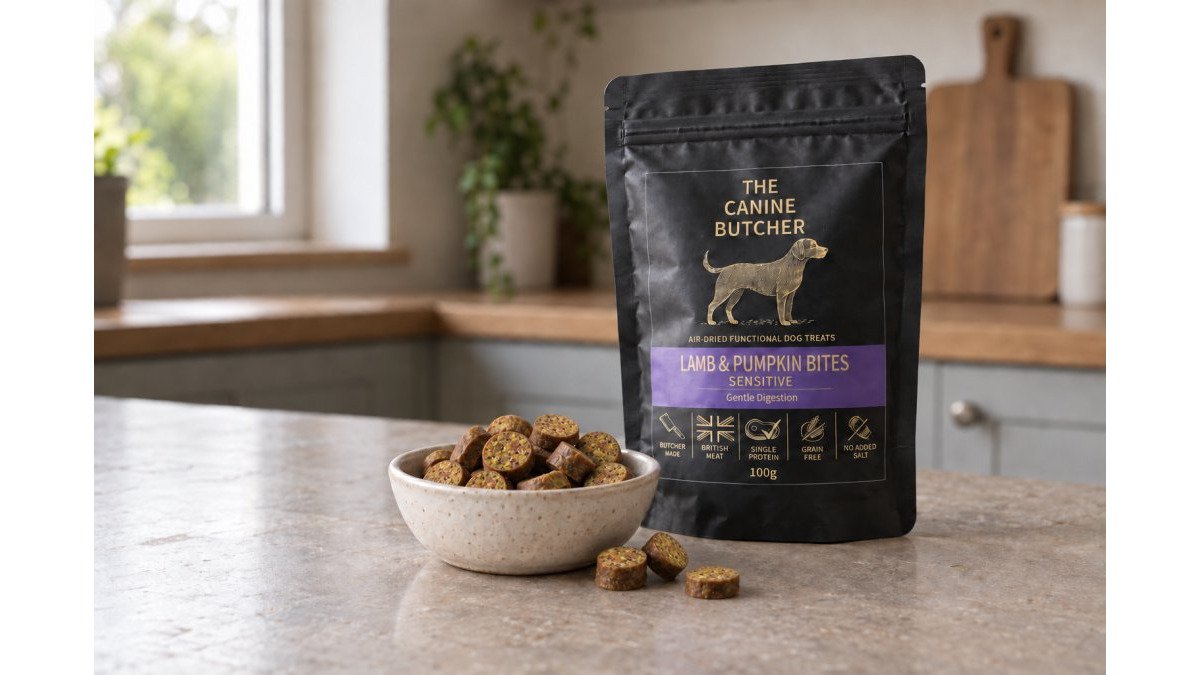
Table of Contents
- What Actually Drives the Price of Premium Dog Treats
- Ingredient Quality: Real Cuts of Meat vs Fillers
- How Air-Drying Changes the Cost Equation
- Why Single-Protein Dog Treats Cost More to Make
- How to Read Dog Treat Labels Without Being Fooled
- Small-Batch Production and Responsible Sourcing
- Is the Higher Price Worth It for Your Dog?
- Frequently Asked Questions
Last Updated: September 27, 2026
What Actually Drives the Price of Premium Dog Treats
Premium dog treats cost more because of what goes into them and how they are made: higher-meat recipes built from real cuts, slow air-drying instead of fast industrial processing, single-protein formulations that are more expensive to produce, and small-batch work by skilled hands. None of that is marketing gloss. It is cost, and it lands in the price.
At The Canine Butcher, we make air-dried treats in small batches from British meat, and we see the difference every week. A treat made with recognisable ingredients costs more to produce than one bulked out with cereal and syrup. That is the honest answer to why premium dog treats cost more, and the rest of this article breaks down each part of it.
UK Pet Food industry data on pet food and treat ingredients
The key point is this: price differences between treats are rarely about branding. They are about meat content, water removal, batch size and where the meat came from. Understand those four things and you can judge any bag on the shelf.
Ingredient Quality: Real Cuts of Meat vs Fillers
The single biggest cost driver is what the recipe is actually made from. A treat built around real cuts of meat, heart and liver costs more per kilo than one built around cereal, starches and gravy.
Walk into any butchery and the economics are obvious. Muscle meat costs more than offal, offal costs more than trim, and all three cost more than a sack of wheat. When a recipe uses real meat as the headline ingredient, the ingredient bill climbs immediately.
Fillers are not automatically bad. Cereals and starches are cheap, shelf-stable and easy to work with, which is exactly why they appear in so many recipes. But they dilute the meat content, and a diluted recipe costs less to make. That saving shows up in the price you pay.
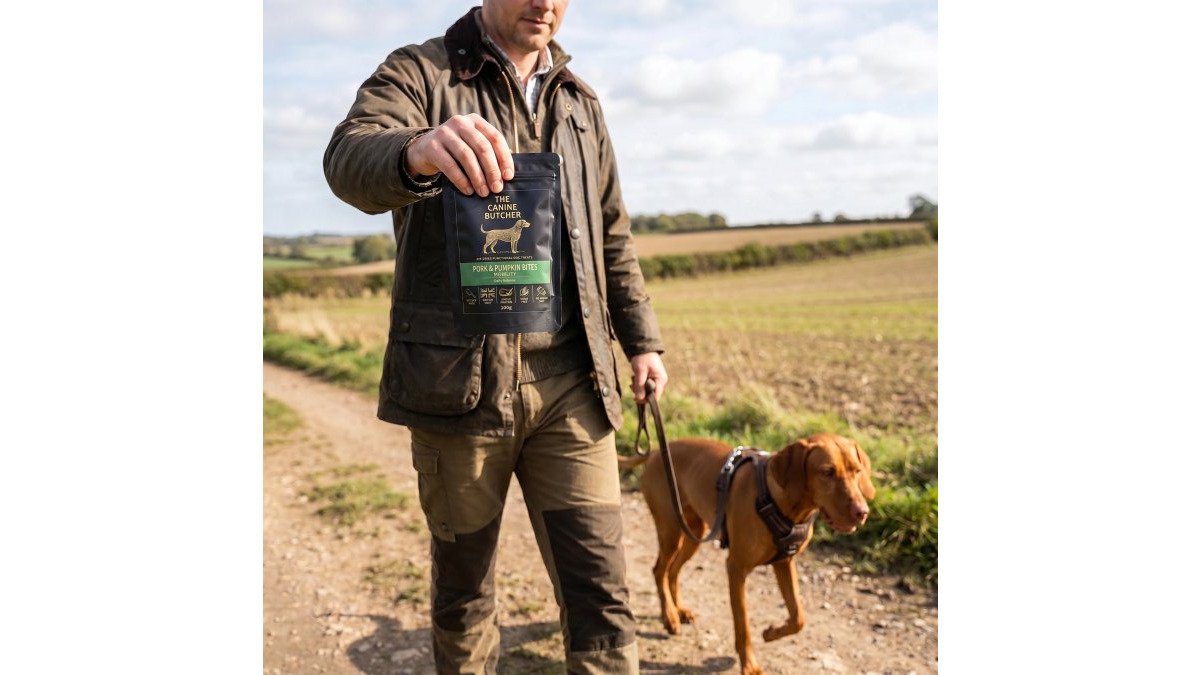
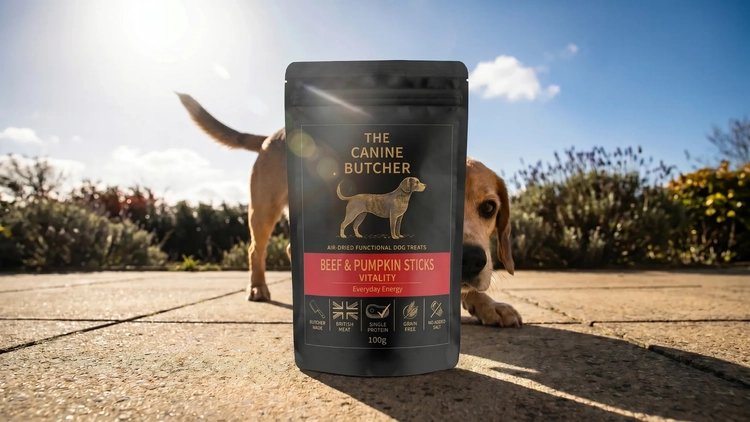
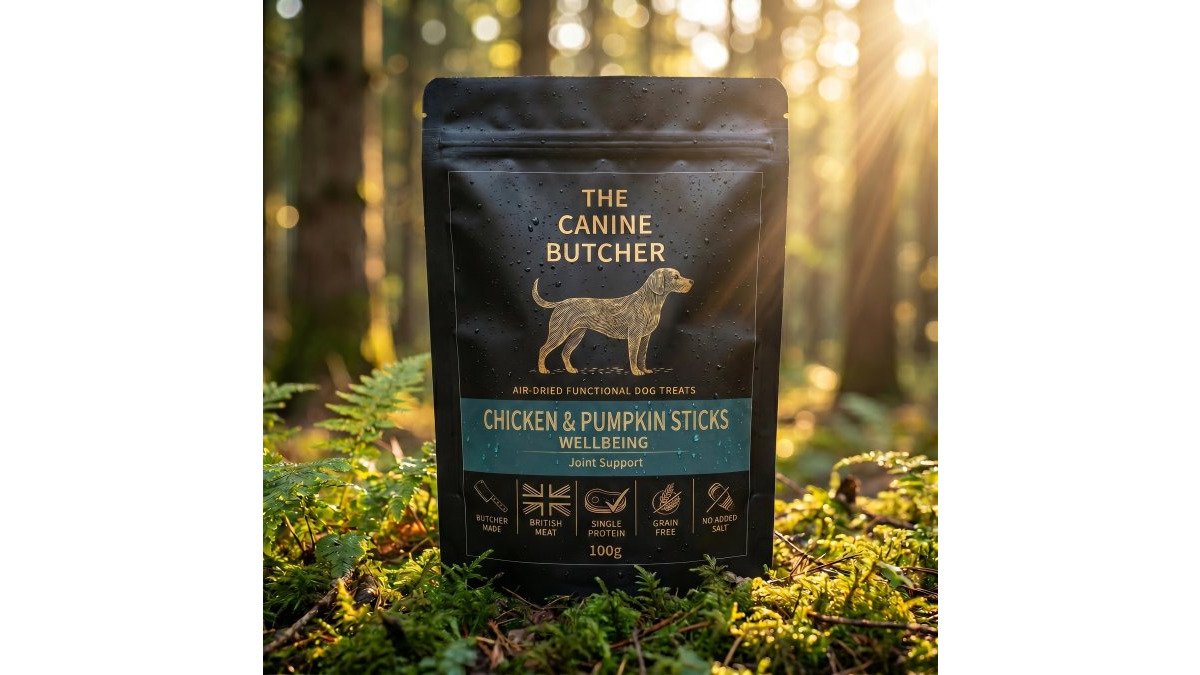
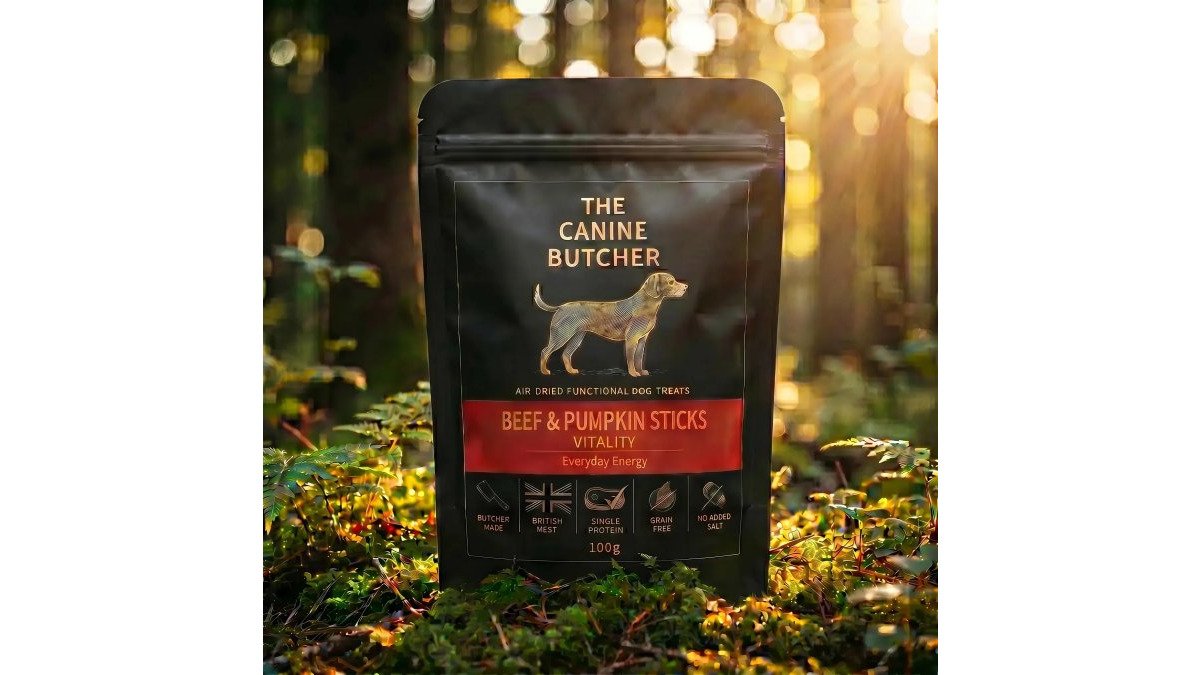
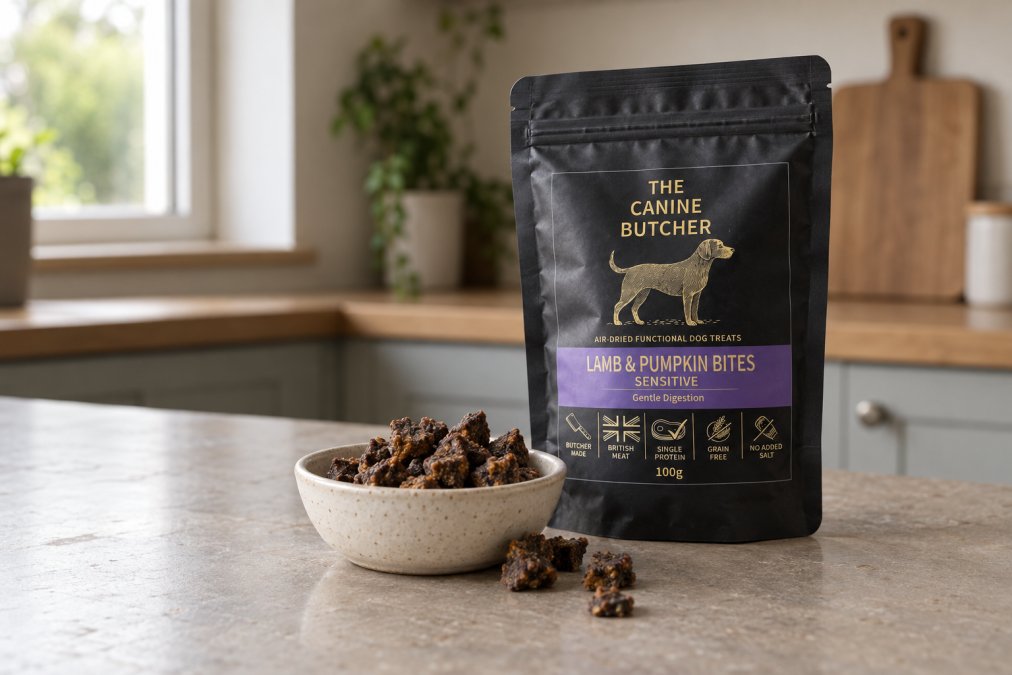
Our own recipes use British beef, lamb, chicken or pork alongside nutrient-rich heart and liver, with no unnecessary fillers. Our Beef recipes are part of our Vitality range, Pork recipes are part of our Mobility range, Lamb recipes are part of our Sensitive range, and Chicken recipes are part of our Wellbeing range.

How Air-Drying Changes the Cost Equation
Air-drying is slower and more expensive than fast cooking, and that is deliberate. Gently drying meat over a controlled period removes moisture gradually, concentrating flavour and creating a naturally stable treat without added salt or artificial preservatives.
Time is money in any production kitchen. A slow, controlled drying process ties up equipment, space and energy for far longer than a quick bake or extrusion line. That cost has to be recovered somewhere, and it is recovered in the price per bag.
The trade-off is worth understanding. Because air-drying removes water rather than cooking the life out of the meat, you are paying for concentrated meat rather than water weight. A 100g pouch of air-dried treats contains far more actual meat than 100g of a moist, puffed-up alternative.
Pro Tip
Weigh the bag in your hand before you judge the price. Air-dried treats feel dense because the water has gone. A light, airy bag at a low price usually means you are paying for fillers and moisture, not meat.
Why Single-Protein Dog Treats Cost More to Make
Single-protein dog treats cost more because each recipe needs its own dedicated ingredients, its own batch run and its own clean-down. You cannot spread one cheap base mix across six product lines and call it done.
Multi-protein recipes let a producer buy whatever is cheapest that month and blend it in. Single-protein recipes do not allow that flexibility. If our Lamb recipe needs lamb, it needs lamb, at whatever the market is charging that week.
That rigidity matters for dogs on elimination-style diets or with sensitive stomachs, where owners are trying to keep the protein source simple and consistent. For those households, the extra cost buys certainty about what is in the bag.
Watch Out
Do not assume a treat is single-protein just because the front of the pack names one meat. Check the full ingredient list for a second protein hiding further down, often listed as "meat meal" or "animal derivatives".
How to Read Dog Treat Labels Without Being Fooled
Reading a dog treat label comes down to three things: the ingredient order, the named proteins, and the preservatives. Ingredients are listed by weight, so whatever appears first is what the treat mostly is.
Here is a quick way to judge any bag:
- First ingredient: Should be a named meat, such as "beef" or "lamb", not "cereals" or "derivatives".
- Named proteins: Look for "chicken liver" rather than vague "poultry". Named cuts tell you what you are buying.
- Preservatives: Natural antioxidants such as mixed tocopherols are a common alternative to synthetic preservatives.
- Added salt: If salt appears high on the list, question why it is there.
- Fillers: Cereals, starches and sugars bulk out a recipe and lower the meat content.
| What to Check | What Good Looks Like | Why It Matters |
|---|---|---|
| First ingredient | Named meat | Shows the main ingredient |
| Protein naming | "Beef liver" not "derivatives" | Tells you the actual source |
| Preservatives | Natural antioxidants | Avoids synthetic additives |
| Fillers | None or minimal | Keeps meat content high |
| Added salt | None listed | Simpler recipe |
Food Standards Agency guidance on food labelling
Small-Batch Production and Responsible Sourcing
Small-batch production costs more per unit because you cannot spread fixed costs across huge volumes. Every batch takes the same setup, the same skilled hands and the same clean-down, whether you make fifty pouches or five thousand.
At The Canine Butcher, our treats are made in small batches by butchers using carefully selected ingredients. That is a slower way to work, and it is why we can tell you where the meat came from and what is in the bag.
Sourcing matters just as much. Buying British meat and keeping the supply chain short adds cost, but it also means traceability. When you know the source, you can stand behind the product, and that confidence is part of what you are paying for.
Is the Higher Price Worth It for Your Dog?
For most owners, the higher price is worth it if the treat makes up a meaningful part of what their dog eats each day. Treats are usually a small share of the diet, so the cost per day is often lower than the price per bag suggests.
Run the numbers rather than the emotion. A £6.99 pouch of our Beef & Pumpkin Bites or Lamb & Pumpkin Bites, fed as a few bites a day, can last for weeks. Spread over that time, the daily cost is modest.
If your dog has a sensitive stomach, a simple single-protein recipe may be worth the premium for the peace of mind alone. If your dog is a fussy eater, a dense, meaty air-dried treat tends to earn its place quickly.
Key Takeaway
Premium dog treats cost more because of real meat, slow air-drying, single-protein recipes and small-batch work. You are paying for what is in the bag, not for the label.

Frequently Asked Questions
Are expensive dog treats actually better for my dog?
Not automatically. Price is a signal, not a guarantee. What matters is what the money is spent on: real meat as the first ingredient, a clear protein source, and a process such as air-drying that keeps the treat stable without added salt or artificial preservatives. A premium dog treat with a short, recognisable ingredient list tells you more than a high price tag on its own. Check the label before you judge by cost alone.
Why do air-dried dog treats cost more than mass-produced ones?
Air-drying removes moisture slowly over a controlled period rather than flash-cooking at speed, so a batch takes far longer to make and each kilo of finished treat starts from a larger weight of fresh meat. Combine that with real cuts rather than rendered by-products, small batches, and no cheap bulking agents, and the cost per pouch rises. The benefits of air-dried dog treats, a naturally stable texture and an intensely meaty flavour, come from that slower process.
How do I know which single-protein dog treats to pick?
Start with one protein and keep everything else in your dog's diet consistent for a couple of weeks. If you are unsure which proteins suit your dog, a mixed selection is the simplest way to find out, and our Discovery Pack contains beef, lamb, chicken and pork recipes so you can see what your dog enjoys. If your dog has a diagnosed allergy or a long-standing digestive problem, speak to your vet before changing treats.
How can I tell if a dog treat is high quality?
Read the label closely. Named meat, such as beef trim or lamb liver, should appear first rather than vague terms like 'meat and animal derivatives'. Look for a single protein source, no added salt, and natural antioxidants such as mixed tocopherols instead of synthetic preservatives. A short list of ingredients you recognise is usually a better sign than a long list of additives, whatever the packaging claims.
Choosing treats is really a question of what you want to feed your dog every day. At The Canine Butcher, we make air-dried, single-protein treats in small batches from British meat, with no unnecessary fillers and no added salt or artificial preservatives. If you want honest nutrition you can trace, explore our air-dried dog treats and find the recipe your dog loves.