Cart
0
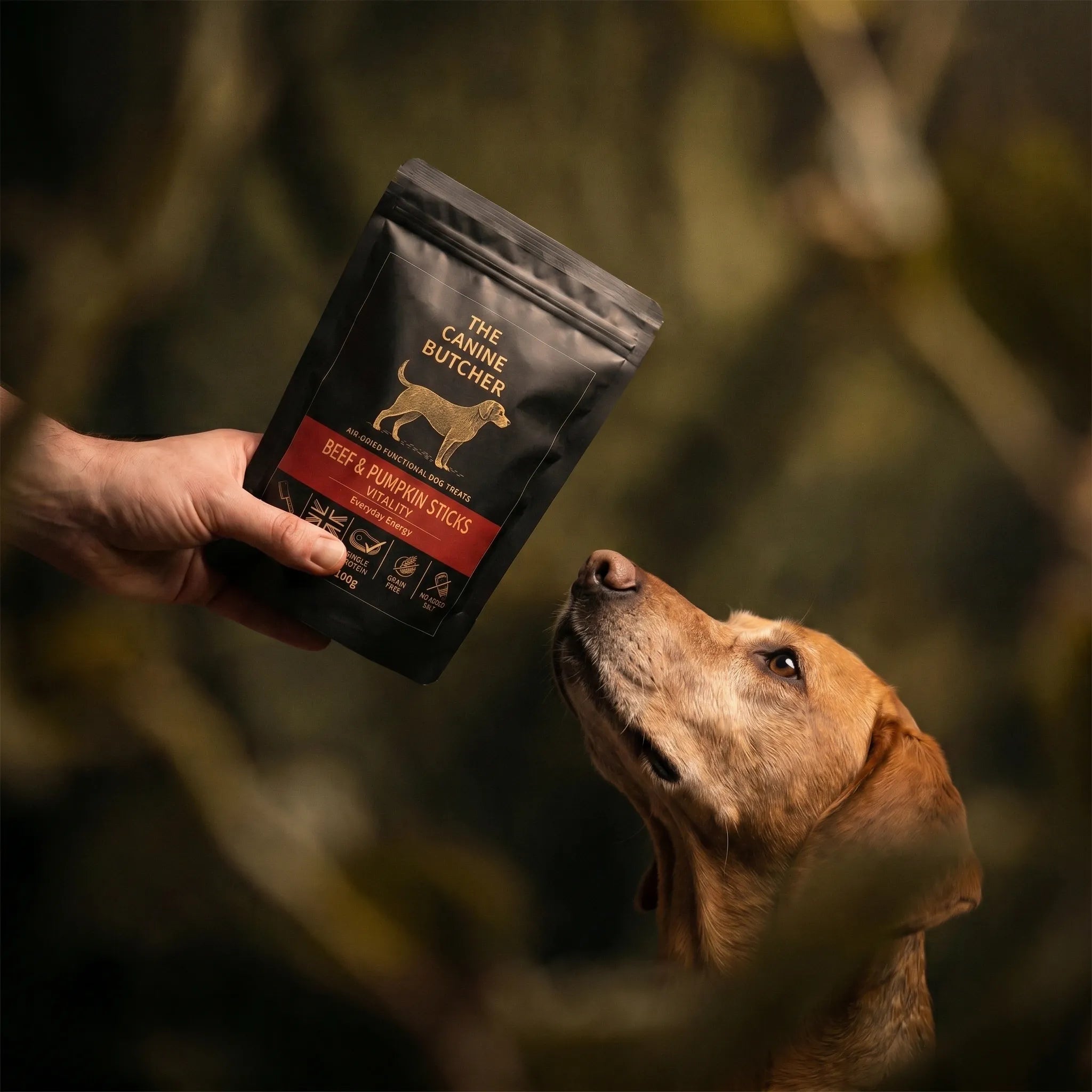
If you have been looking for natural treats for dogs, you may have noticed that rawhide is no longer the obvious choice it once was.
Many UK dog owners are now reading the label more closely. They want to know what a chew is made from, how it was processed and whether it is suitable for their dog. That matters. A low price is not much use if the ingredients are unclear.
So, rawhide vs natural dog treats, which is safer?
The honest answer is that no chew is risk-free. Every dog is different. However, traditional rawhide has specific concerns around processing, swallowing and digestibility. Carefully chosen natural options can avoid some of those concerns.
The key is knowing what you are buying.
What is rawhide?
Rawhide is made from the inner layer of cow or horse hide. It is a by-product of the leather industry rather than a cut of meat.
The hide is cleaned, treated and dehydrated before being shaped into chews. Some products are rolled, compressed, glued or flavoured. Artificial colours and flavourings may also be used.
Rawhide can keep a dog busy for a while. That is one reason it has been popular for so long. But a chew that takes time to consume is not automatically a safe chew.
According to Purina UK’s guidance on rawhide, rawhide can create choking and intestinal obstruction risks. The ASPCA also advises owners to choose chews based on a dog’s size and chewing habits, supervise chewing and discourage the swallowing of large pieces.
Why are some owners avoiding rawhide?
1. Large pieces can be swallowed
Rawhide often becomes softer and stringier as a dog chews it. That can make it easier to bite off a sizeable piece and swallow it.
A large piece may become lodged in the throat or digestive tract. This is particularly concerning for dogs that chew quickly, gulp food or try to finish a chew in one sitting.
Small dogs can also be more vulnerable because a piece that seems modest may still be too large for them.
2. It can be difficult to digest
Rawhide is designed to be chewed rather than eaten. But dogs do swallow pieces.
Some pieces may pass through without a problem. Others can remain intact for longer, which is why digestive blockages are a concern. If your dog swallows a large piece of rawhide, contact your vet for advice.
3. Processing may be unclear
Rawhide is not a single, simple ingredient in the same way that a piece of dried meat can be.
Depending on the product, the hide may be cleaned, treated, bleached, compressed, glued, coloured or flavoured. That does not mean every rawhide product is identical. It does mean the label deserves careful attention.
If you cannot understand how a chew was made, you have less information when deciding whether it is right for your dog.
4. It is not suitable for every chewer
Rawhide may be a poor match for:
- Dogs that gulp or swallow treats quickly
- Small dogs given an unsuitable size
- Puppies with developing teeth
- Older dogs with dental problems
- Dogs with sensitive digestion
- Strong chewers that break off large pieces
Supervision helps, but it does not remove every risk.
What are natural chews for dogs?
“Natural chew” is a broad term. It can describe many different products, including:
- Air-dried meat
- Tendon or collagen chews
- Bully sticks
- Dried ears
- Yak or cheese chews
- Sweet potato chews
- Antlers
- Bones and horns
These products are not all the same. Natural does not automatically mean safe.
For example, antlers, hard bones and horns can be extremely dense. They may cause tooth damage, especially when given to powerful chewers. Dried ears and dense meat chews can still be swallowed in large pieces. Raw products can also carry bacterial risks.
The important question is not simply, “Is this natural?”
Ask:
- What is it made from?
- Is the ingredient clearly named?
- How has it been processed?
- Can my dog break off and swallow a large piece?
- Is it suitable for their size and chewing style?
- Can I supervise them while they use it?
Rawhide vs natural treats: the main differences
| Rawhide | Carefully chosen natural options | |
|---|---|---|
| What it is made from | Inner hide from the leather industry | Meat, plant ingredients, milk or animal parts, depending on the product |
| Processing | May involve several cleaning, treating and shaping stages | Often air-dried or dehydrated, but this varies |
| Ingredient transparency | Can include glues, colours or flavourings | May be single-ingredient, but always check the label |
| Main concern | Swallowed pieces may cause choking or obstruction | Risks vary by type, size, hardness and the dog |
| Supervision | Essential | Still essential |
| Best choice | Not suitable for every dog | Choose based on the individual dog |
There is no single “best” natural chew for every dog. A gentle chewer may manage a product that is unsuitable for a gulper. A dog with a sensitive stomach may need a simple, single-protein option. A dog with dental issues may need something softer, or a non-edible chew toy recommended by a vet.
A simpler alternative: air-dried meat treats
Some owners are not looking for a long-lasting chew at all. They want a natural dog treat for training, rewards, walks or everyday use, without an unclear ingredient list.
That is where air-dried meat treats can be a useful alternative to rawhide-style products.
The Canine Butcher treats are made with real butcher-quality meat and simple ingredients. We use a single protein in each recipe, then slowly air-dry the treats using controlled airflow and gentle temperatures.
This removes moisture while preserving natural flavour. It also means we do not need artificial preservatives to create a shelf-stable treat.

What goes in is clear:
- Real meat
- Single-protein recipes
- Pumpkin
- Carefully chosen botanicals
- No artificial preservatives
- No fillers or bulking agents
- No added salt
- No added sugar
We make our treats in small batches using traditional butchery knowledge, not mass-produced factory methods.
That does not make them a dental chew. Our air-dried sticks and bites are edible treats, not a replacement for brushing or professional dental care. But if your priority is a transparent, meat-based reward rather than a processed rawhide chew, they offer a straightforward switch.
Choosing the right natural dog treats
Start with the label.
A good label should tell you exactly what the product contains. “Meat derivatives” or “animal products” gives you less information than a named protein such as lamb, pork, beef or chicken.
Next, consider your dog’s needs.
For dogs with sensitive digestion
A single-protein recipe can make it easier to know what your dog is eating. Introduce any new treat gradually and choose a protein your dog already tolerates.
Our Lamb & Pumpkin recipe is made for owners looking for a simple, gentle option.
For everyday rewards
Small air-dried pieces are useful for training, walks and daily rewards. Break larger pieces into smaller portions where appropriate.
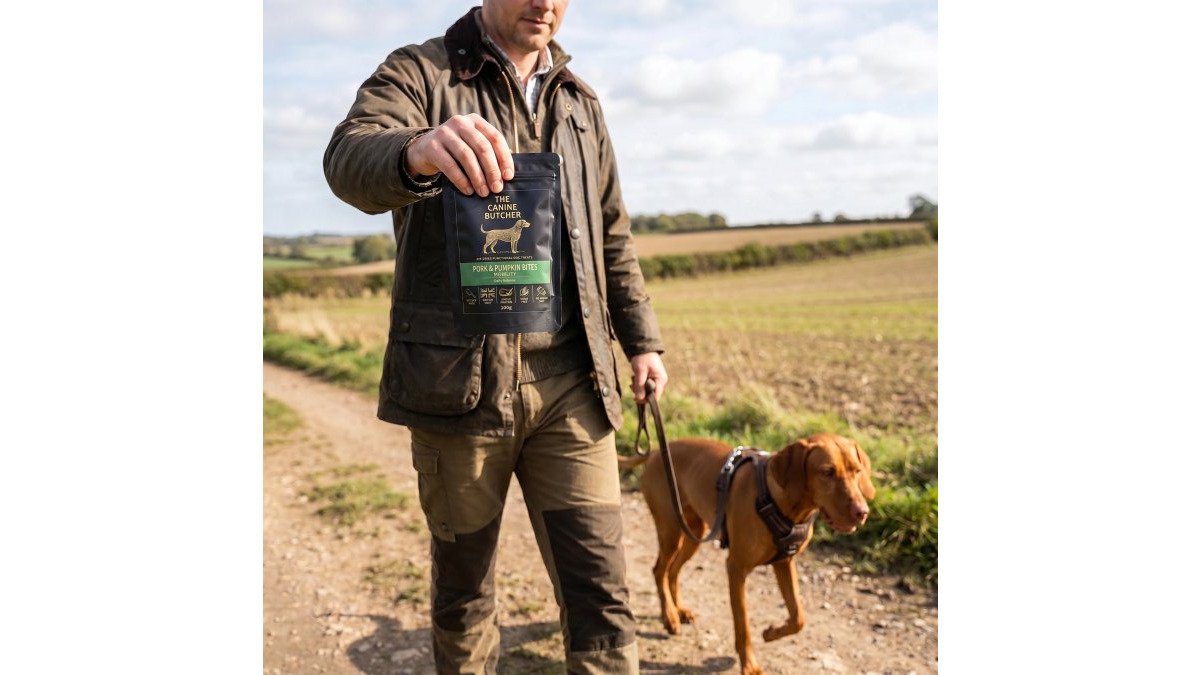
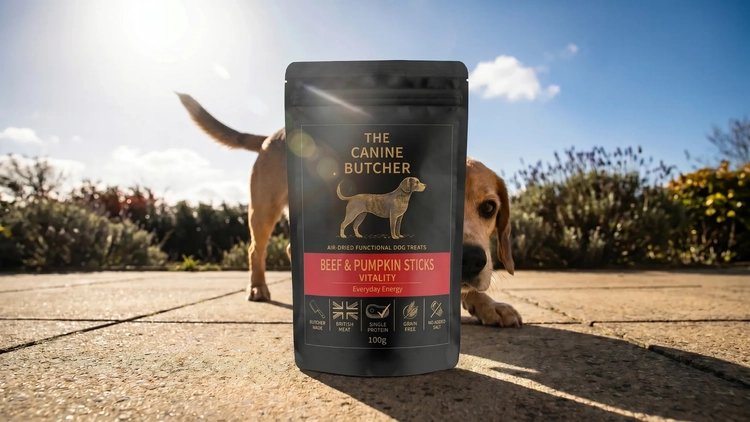
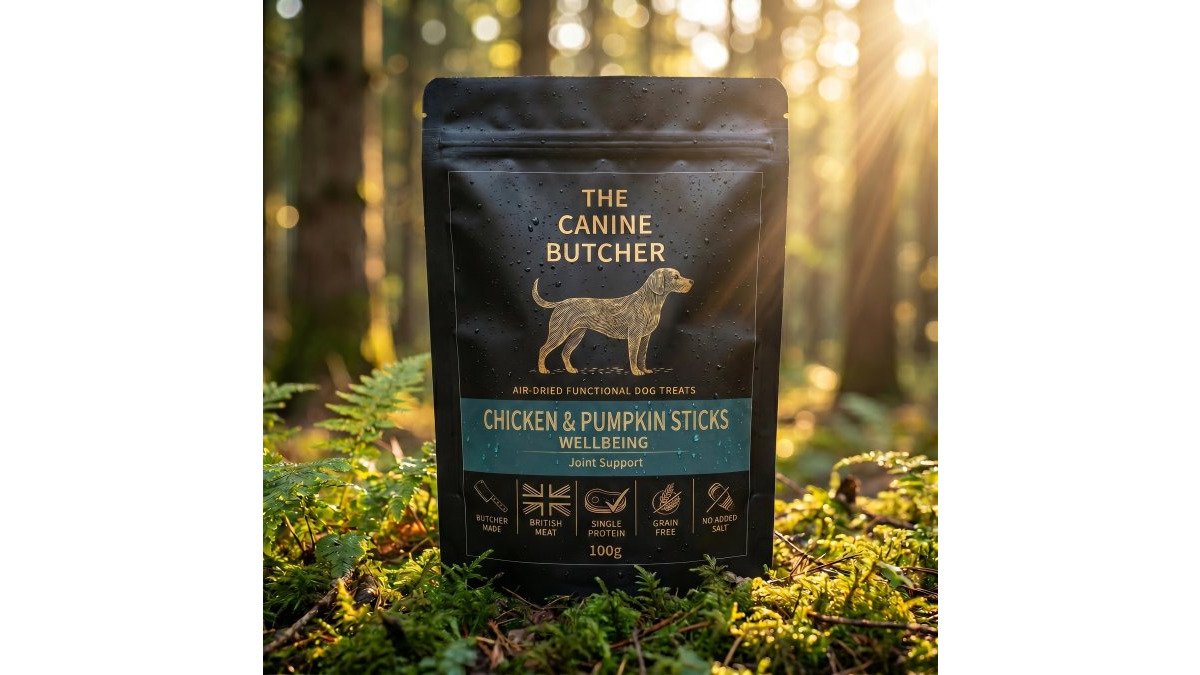
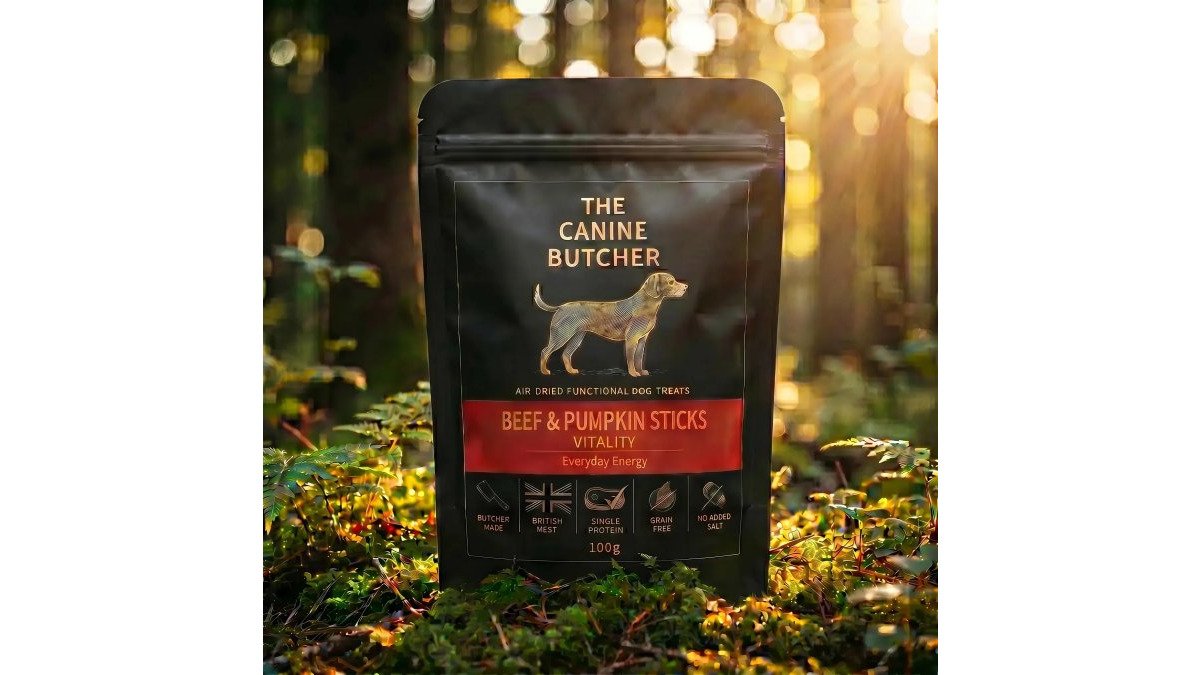
Our Beef & Pumpkin recipe is designed for everyday vitality, while Chicken & Pumpkin offers a simple daily wellbeing option.
For dogs whose owners want variety
You do not need to buy four full bags to find out which recipe your dog prefers.
The Discovery Pack includes all four recipes:
- Lamb & Pumpkin for sensitive dogs
- Pork & Pumpkin for mobility support
- Beef & Pumpkin for everyday vitality
- Chicken & Pumpkin for daily wellbeing
Each recipe is made with one animal protein and slowly air-dried.

How to make the switch from rawhide
You do not need to make the change complicated.
-
Stop buying chews with unclear ingredients.
Choose products that name their ingredients plainly. -
Decide whether your dog needs a chew or a treat.
If you want something for training and rewards, an air-dried meat treat may be a better fit than a long-lasting chew. -
Match the product to your dog.
Consider their size, age, chewing style and digestive history. -
Introduce new treats gradually.
Start with a small amount and monitor your dog. -
Supervise edible chews.
Remove anything that becomes small enough to swallow whole. -
Keep treats balanced.
Treats should form part of a balanced diet. Adjust meal portions if needed. -
Speak to your vet when unsure.
This is especially important if your dog has dental disease, digestive problems or swallows objects quickly.
So, which is safer: rawhide or natural dog chews?
For many dogs, a carefully chosen natural product is the more reassuring option because it can offer clearer ingredients and simpler processing than traditional rawhide.
But “natural” is not a safety guarantee. Very hard chews can damage teeth. Large pieces can still cause choking or obstruction. Every chew should be matched to the dog and used under supervision.
If you are looking for a simple edible alternative to rawhide-style treats, choose a product made from recognisable ingredients. Choose named meat over mystery ingredients. Choose slow air-drying over unnecessary processing.
No fillers. No artificial preservatives. No added salt or sugar. Just clearly labelled, butcher-made treats.
Explore The Canine Butcher’s natural dog treats, or start with the Discovery Pack and find your dog’s favourite.