Cart
0
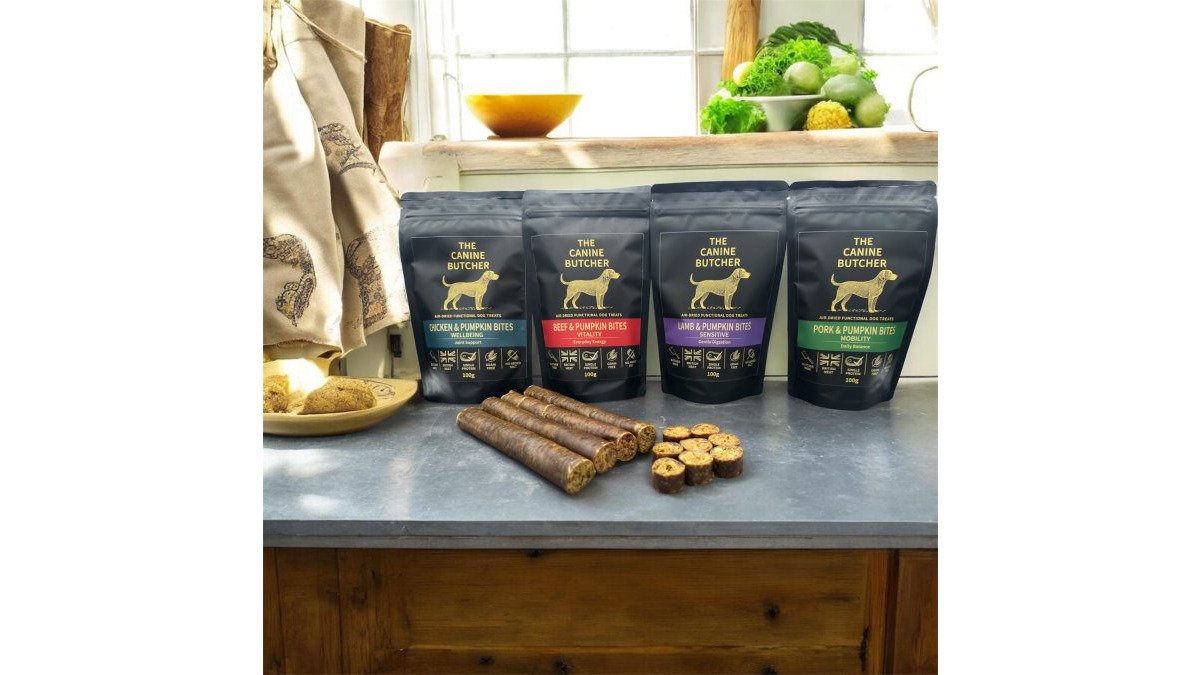
Table of Contents
- Why Picky Dogs Reject Treats (And What Actually Works)
- Single-Protein Dog Treats: The Simplicity Picky Eaters Prefer
- Best Meat Treats for Dogs: What Makes Them Different
- How to Introduce New Treats to a Dog
- How Many Treats Should a Dog Have Each Day
- Finding Your Picky Dog's Favourite Treat
- Frequently Asked Questions
Last Updated: 5 October 2026
Why Picky Dogs Reject Treats (And What Actually Works)
A picky eater isn't being difficult, they're telling you something. Dogs with selective palates often have legitimate reasons: they've had bad reactions to heavily processed treats, they're sensitive to certain proteins, or they simply don't trust unfamiliar flavours. Understanding what drives their rejection is the first step to finding treats they'll actually eat.
At The Canine Butcher, we understand the struggle many owners face with picky eaters. They buy treats, their dog sniffs once and walks away, and suddenly there's a drawer full of expensive waste. The issue rarely lies with your dog's taste buds, it's usually about what's actually in the treat.
Picky eaters typically respond better to single-protein dog treats because there's less to confuse their digestive system. When a treat contains five different protein sources, flavourings, and binders, a sensitive dog's stomach may react defensively. They learn to avoid it. Simplicity builds trust.
The best healthy treats for picky eaters share three characteristics: they contain real meat as the primary ingredient, they avoid artificial additives and fillers, and they're made using gentle processes that preserve natural flavour. Air-dried treats tick all three boxes, which is why they work so well for dogs that have rejected everything else.
Pro Tip
Start with treats that smell intensely of meat. Dogs rely heavily on scent to decide whether to eat something. If a treat smells like cardboard, they'll reject it before it even reaches their mouth.
Single-Protein Dog Treats: The Simplicity Picky Eaters Prefer
Single-protein treats remove the guesswork. Instead of wondering which ingredient triggered a reaction, you know exactly what your dog is eating. This clarity matters enormously for picky eaters with sensitivities.
When you feed a single-protein treat, you're also making it easier to identify patterns. If your dog tolerates beef but rejects chicken, you've got actionable information. You can then build a rotation around proteins that work, rather than playing roulette with multi-ingredient blends.
Lamb for Sensitive Palates
Lamb is often a good option for dogs with reactive stomachs. It's less common in commercial dog food, which may mean some picky eaters haven't developed an aversion to it. The flavour is distinctive without being overwhelming, and it may be naturally easier to digest than richer proteins.
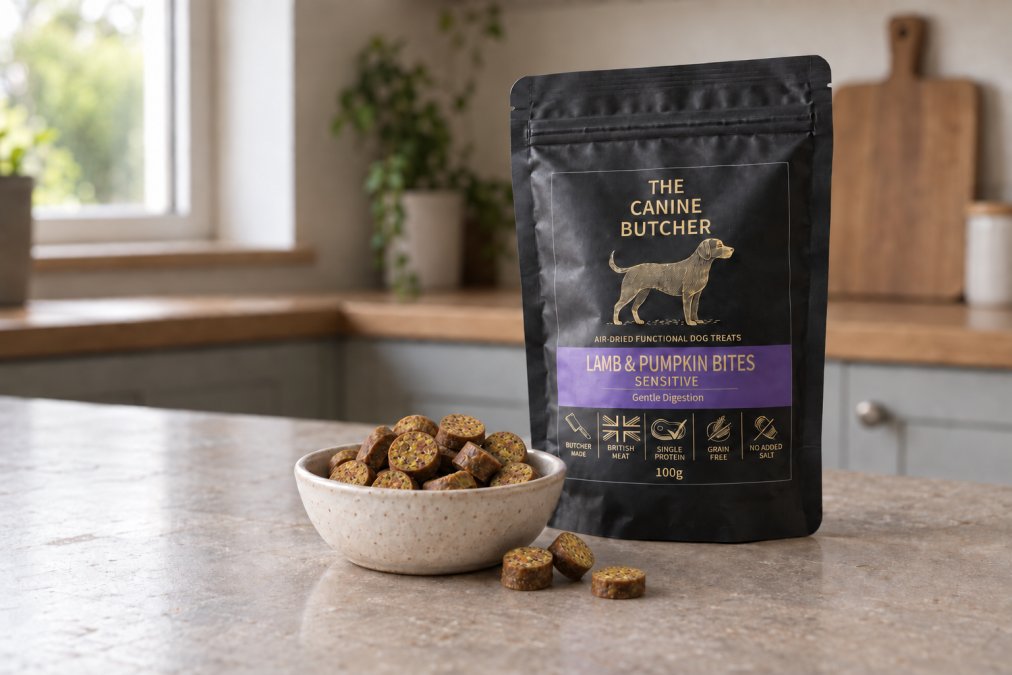
Our Lamb & Pumpkin Bites combine British lamb with pumpkin and carefully selected botanicals including ginger, turmeric, chamomile and fennel. These aren't random additions, they're chosen to support everyday digestion naturally. The air-dried process develops an intensely meaty flavour that appeals even to reluctant eaters.

For dogs that need something more substantial, the Lamb & Pumpkin Sticks offer the same gentle recipe in a longer format. They're ideal for enrichment moments or when you want a treat that lasts longer than a bite.
Why lamb works for picky eaters:
- Naturally mild and easily digestible
- Less likely to have been tried before (no learned aversion)
- Pairs well with digestive botanicals
- Available in bite and stick formats for different preferences
Beef for Everyday Vitality
Beef is the most familiar protein to most dogs, but that familiarity cuts both ways. If your dog has rejected beef treats in the past, it's usually because of low quality or additives rather than the protein itself. High-quality, single-protein beef treats often convert beef-averse dogs.
The Beef & Pumpkin Bites use British beef with nutrient-rich heart and liver, creating a treat designed to help maintain everyday vitality. The addition of ginger, turmeric, spirulina and rosehip supports the core recipe without muddying the flavour profile. Dogs that have rejected commercial beef treats may respond well to this approach because the meat quality is genuinely different.

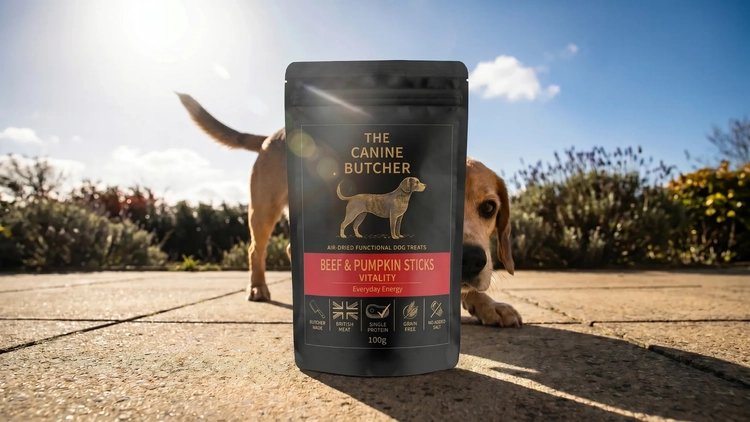
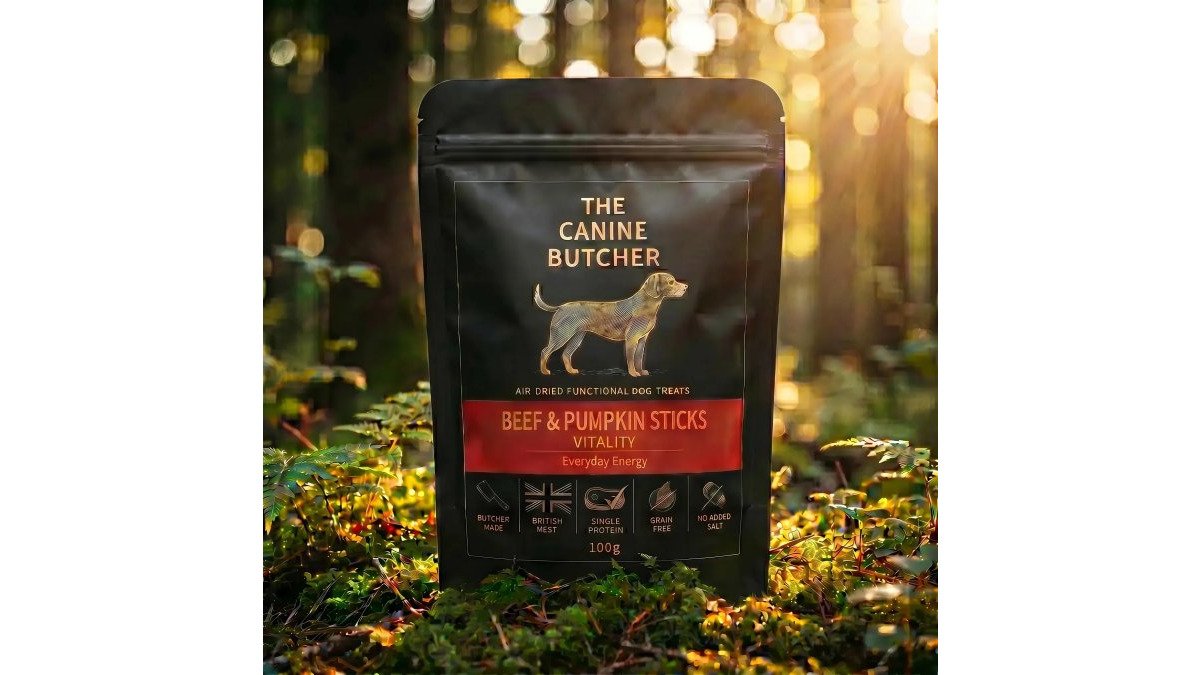
Our Beef & Pumpkin Sticks deliver the same vitality-focused recipe in a format that works for medium and larger dogs. They're meaty, substantial, and air-dried to preserve natural flavour without artificial preservation.
Why beef appeals to previously reluctant eaters:
- Familiar but with noticeably better quality than mass-produced alternatives
- Rich flavour that appeals to dogs that find other treats bland
- Supports everyday nourishment without being heavy
- Works well for dogs that need higher-value rewards
Chicken and Pork: Lighter Options
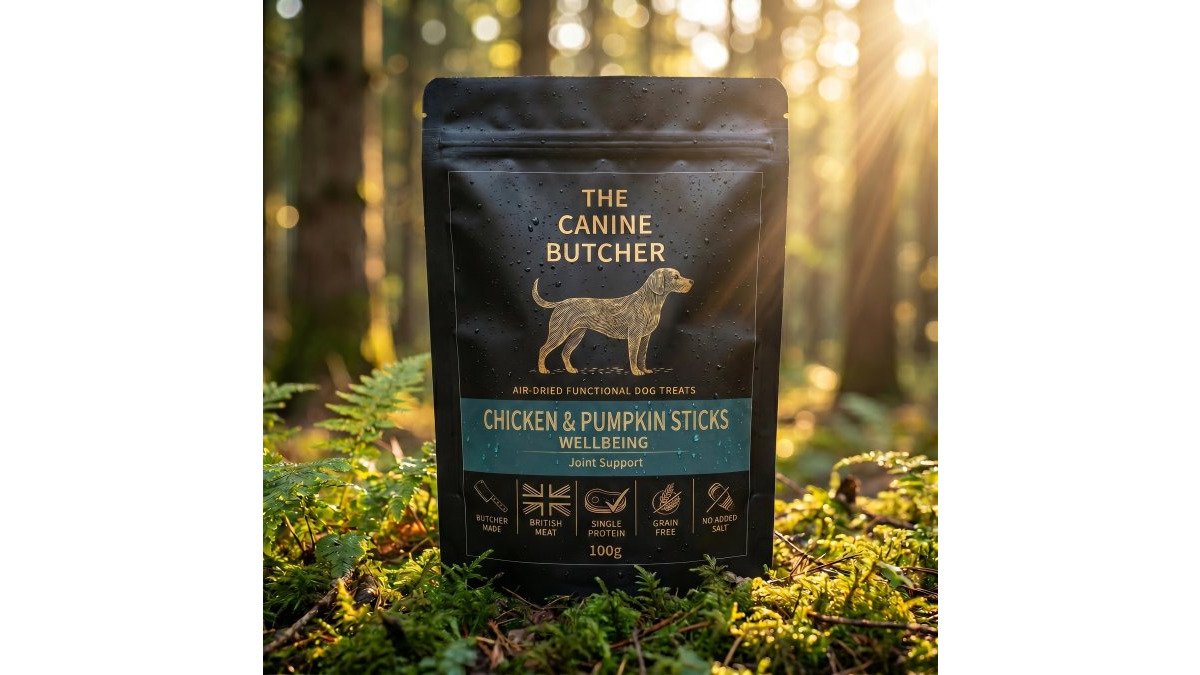
Chicken may suit dogs that find richer proteins too heavy. It's leaner, milder, and may work for dogs with more delicate systems. The Chicken & Pumpkin Bites use British chicken with nutrient-rich liver, designed with everyday wellbeing in mind. Ginger, turmeric, chamomile and lemon balm complement the chicken without overwhelming it.
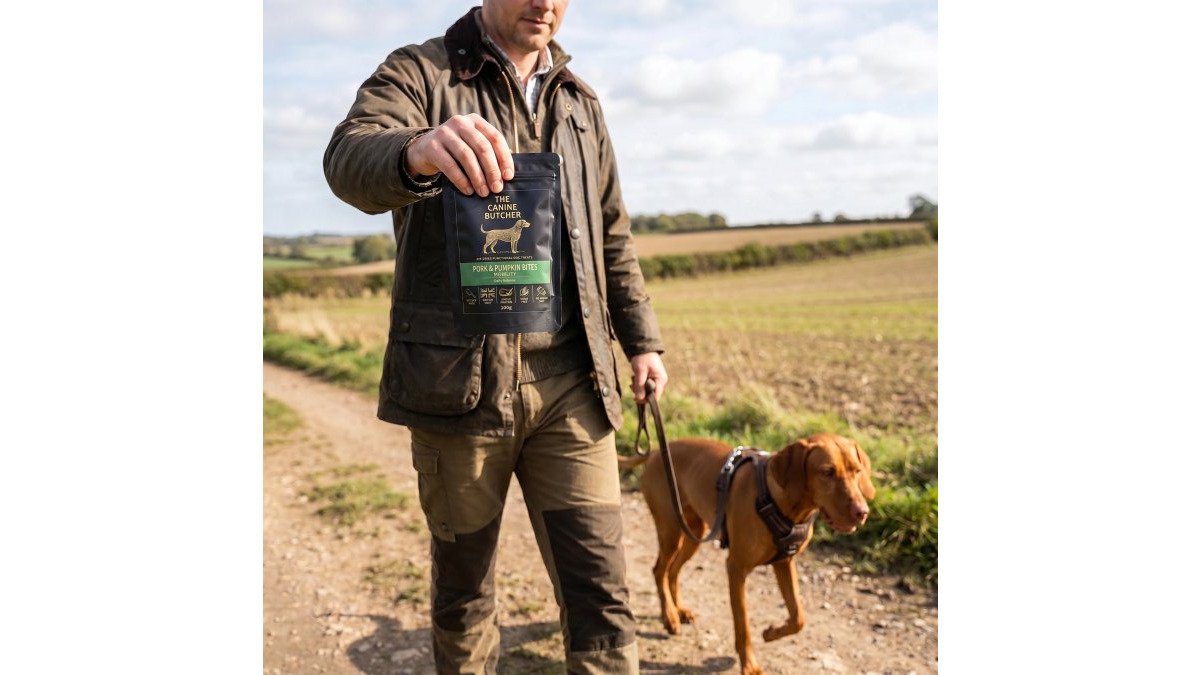
Pork offers a middle ground between the richness of beef and the lightness of chicken. It's often overlooked but may work well for picky eaters because it's distinctive without being intense. Our Pork & Pumpkin Bites are created to naturally support everyday mobility, making them particularly suitable for dogs that need joint support alongside digestive sensitivity.
Both proteins are available in stick format for dogs that prefer something to work at rather than swallow whole.
When to choose lighter proteins:
- Chicken for dogs with sensitive or delicate digestive systems
- Pork for dogs that need mobility support alongside treat variety
- Both work well as rotation options to prevent flavour boredom
Best Meat Treats for Dogs: What Makes Them Different
The difference between best meat treats for dogs and ordinary treats comes down to three things: meat content, ingredient simplicity, and production method.
Most commercial treats are grain-heavy and meat-light. They're designed to be cheap to produce and shelf-stable for months. That shelf stability often comes from preservatives, and that low cost often comes from fillers. Your picky eater may taste the difference.
The best meat treats start with meat as the primary ingredient, not meat meal, not by-products, but actual cuts of meat. They use recognisable ingredients that you could buy yourself at a butcher: pumpkin, ginger, turmeric. No artificial preservatives, no synthetic colours, no mystery binders.
Air-drying is the production method that changes everything. It's slow, it's expensive, and it's exactly why picky eaters respond so well. The gentle process concentrates natural flavour without burning it away. It creates a naturally stable treat without chemical preservatives. Dogs that have rejected crunchy kibble-style treats often respond to air-dried because the texture is completely different, firmer but still slightly yielding, not brittle.
When you compare best healthy treats for picky eaters, look for these markers: British sourcing, high meat content, minimal ingredients, and air-dried production. That combination is rare because it's genuinely difficult to achieve at scale. It's also what we believe works.
Natural dog treats variety pack uk – discovery pack →
How to Introduce New Treats to a Dog
Even the best healthy treats for picky eaters can fail if you introduce them wrong. The introduction matters more than the product itself.
Start Small and Build Confidence
Give your dog a single piece and wait. Not a handful, not half a stick, one bite. Watch their reaction. Do they sniff it, lick it, or walk away? That tells you whether to continue.
If they eat it, waiting at least 24 hours before offering another can give their digestive system time to process a new ingredient without being overwhelmed. A dog with a sensitive stomach may benefit from this buffer.
Gradually increase frequency over a week. Day one: one piece. Day three: one piece. Day five: two pieces. By day seven, if there's been no reaction, you can offer them more regularly. This slow introduction builds confidence in both you and your dog.
Watch Out
Rushing the introduction is the most common reason picky eaters reject treats they might otherwise enjoy. One bad reaction, even a minor digestive upset, may teach them to avoid that treat. Patience pays off.
Watch for Signs Your Dog Enjoys Them
The obvious sign is they eat them. But there are subtler indicators that a treat has genuinely won over a picky eater. They start watching for the treat. They come when you reach for the pouch. They finish it quickly rather than leaving pieces behind.
These are signals that the treat has moved from "tolerated" to "wanted." That's when you know you've found something that works.
Equally important: watch for any signs of digestive upset. Loose stools, excessive gas, or reluctance to eat their regular food are all signals that the treat isn't sitting well. If you see any of these, stop immediately and give their system 48 hours to settle before trying again.
How Many Treats Should a Dog Have Each Day
Treats should make up no more than 10% of your dog's daily calorie intake. The rest should come from their regular, balanced diet. This isn't arbitrary, it's the threshold where treats complement nutrition rather than replace it.
For a small dog eating around 400 calories daily, that means roughly 40 calories from treats. A medium dog on 600 calories can have around 60 calories from treats. Larger dogs on 1000+ calories can manage 100 calories or slightly more.
Most single-piece treats fall between 5 and 15 calories, so you're typically looking at 3-6 pieces daily depending on your dog's size. This leaves room for training rewards, enrichment moments, and the occasional extra without throwing off their nutrition.
The benefit of single-protein treats is they're nutrient-dense. You're feeding real meat with functional ingredients. That means the treats can contribute something to their diet rather than just filling space.
Key Takeaway
The 10% rule keeps treats as a genuine complement to diet rather than a replacement. Stick to it even when your picky eater is finally eating something reliably.
Finding Your Picky Dog's Favourite Treat
Not every picky eater will love every treat. The goal is to find what works for your individual dog, then build a rotation around it.
Our Discovery Pack exists for exactly this reason. It includes four recipes, beef, lamb, chicken, and pork, in either bite or stick format. This lets you test what your dog actually responds to without committing to full pouches of each.

Start with the protein your dog seems most interested in (or the one they've tolerated best in the past). Then you can either stick with that single protein or rotate between two or three to prevent flavour boredom.
Some picky eaters do better with rotation. They'll eat lamb for a week, then lose interest, then respond enthusiastically when you switch to beef. Others prefer consistency, they want the same treat every time.
The key is treating this as an experiment rather than a problem to solve immediately. You're gathering information about what your dog genuinely wants versus what they've learned to reject.
Finding the best healthy treats for picky eaters comes down to quality, simplicity, and patience. Your dog isn't being difficult, they're responding to what they've experienced.
We've built The Canine Butcher around this principle. Start with our Discovery Pack to find which protein your dog responds to, then explore the full range.
Frequently Asked Questions
What are the healthiest treats for a picky dog?
Picky dogs often respond best to simple, single-protein treats made with real meat. Air-dried options preserve natural flavour without artificial additives, making them more appealing to fussy eaters. Look for treats with recognisable ingredients, no fillers, and minimal processing. Many picky eaters prefer lamb or chicken for their gentler taste profile compared to heavily processed alternatives.
Are single-protein treats a good choice for fussy dogs?
Yes. Single-protein dog treats work well for picky eaters because they contain just one meat source without complex flavour blends that some dogs find off-putting. This simplicity also makes it easier to identify which proteins your dog actually enjoys. Single-protein options are particularly helpful if your dog has a sensitive stomach, as you can introduce one flavour at a time and observe how your dog responds.
How do I introduce a new treat to my dog?
Start by offering a small piece alongside something your dog already enjoys. Let them investigate at their own pace without pressure. If they show interest, offer a second piece the next day. Watch for any digestive changes before increasing the amount. Some dogs need time to warm to new flavours, so patience is essential. If your dog refuses it after several attempts, try a different protein.
How many treats should I give my dog each day?
Treats should make up no more than 10% of your dog's daily calorie intake, with the remaining 90% coming from their regular balanced diet. The exact number depends on your dog's size and the treat size. Smaller dogs need fewer treats than larger ones. As a guide, a few bites or small pieces spread throughout the day is usually appropriate. Always adjust your dog's main meals if you're increasing treat frequency.