Cart
0
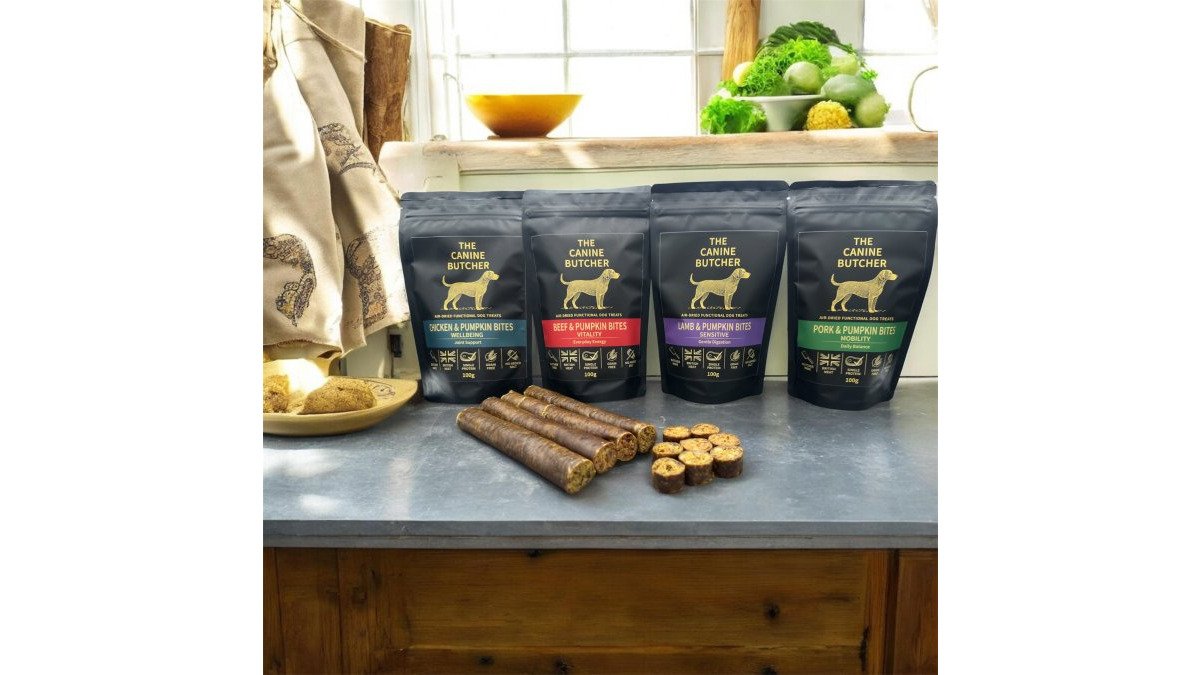
Table of Contents
- Understanding Sensitive Stomachs in Dogs
- How to Choose Single Protein Treats for Your Dog
- Building Your Dog's Diet Plan: What to Include and Avoid
- Portion Control and Feeding Schedules
- Introducing New Treats to Dogs with Sensitive Stomachs
- When to Consult Your Vet
- Conclusion
- Frequently Asked Questions
Last Updated: October 2, 2026
Understanding Sensitive Stomachs in Dogs
A dog diet plan for sensitive stomach starts with understanding what's happening inside your dog's digestive system. Sensitive stomachs in dogs aren't always about food allergies. Sometimes it's about how quickly food moves through their system, or how their gut bacteria respond to certain ingredients.
Common signs include loose stools, vomiting, excessive gas, or a dull coat. Your dog might seem uncomfortable after meals or show less interest in food. These symptoms tell you something in their current diet isn't working.
The good news: most dogs with sensitive stomachs thrive once you identify their triggers and adjust their diet accordingly. This isn't about feeding less. It's about feeding smarter.
At The Canine Butcher, we understand the challenges of managing sensitive digestion in dogs. Simplifying the diet and removing common irritants can often help their system settle.
Pro Tip
Start keeping a food diary before you make changes. Note what your dog ate, when they ate it, and any symptoms that followed. This record becomes invaluable when working with your vet to identify patterns.
How to Choose Single Protein Treats for Your Dog
Single-protein treats are the foundation of a dog diet plan for sensitive stomach. They contain meat from one source only, with no mixing of proteins that might confuse your dog's digestive system.
Why does this matter? Multi-protein treats ask your dog's stomach to process beef, chicken, and pork all at once. For a sensitive system, that's extra work. Single-protein treats are straightforward: one protein, one job.
When choosing a single-protein treat, look for:
- Real meat as the first ingredient, not meat meal or by-products
- No grains or fillers, these often trigger sensitivity
- Minimal additional ingredients, the simpler, the better
- Transparent sourcing, you should know where the meat comes from
- No artificial preservatives, natural preservation methods only
Different proteins suit different dogs. Lamb is naturally gentler on sensitive systems and works well as a starting point. Beef offers vitality and richness. Chicken supports everyday wellbeing. Pork supports mobility and joint health.
Start with one protein and observe your dog for 2-3 weeks. If they're doing well, you've found a winner. If not, try another. This process takes patience, but it's the most reliable way to identify what your dog's system actually tolerates.
Key Takeaway
Single-protein treats eliminate guesswork. Your dog's stomach processes one protein type at a time, making it easier to spot triggers and build a sustainable diet plan.
Building Your Dog's Diet Plan: What to Include and Avoid
A successful dog diet plan for sensitive stomach balances what you add with what you remove. This section breaks down both.
Ingredients that support digestion
The right ingredients actively help your dog's digestive system work better. Look for:
- Pumpkin, naturally supports digestive comfort and regularity
- Bone broth, easy to digest and supports gut health
- Sweet potato, gentle carbohydrate source with natural fibre
- Fish oils, support overall gut lining health
- Ginger and turmeric, traditional botanicals that support digestive function
- Fennel and chamomile, gentle herbs that promote calm digestion
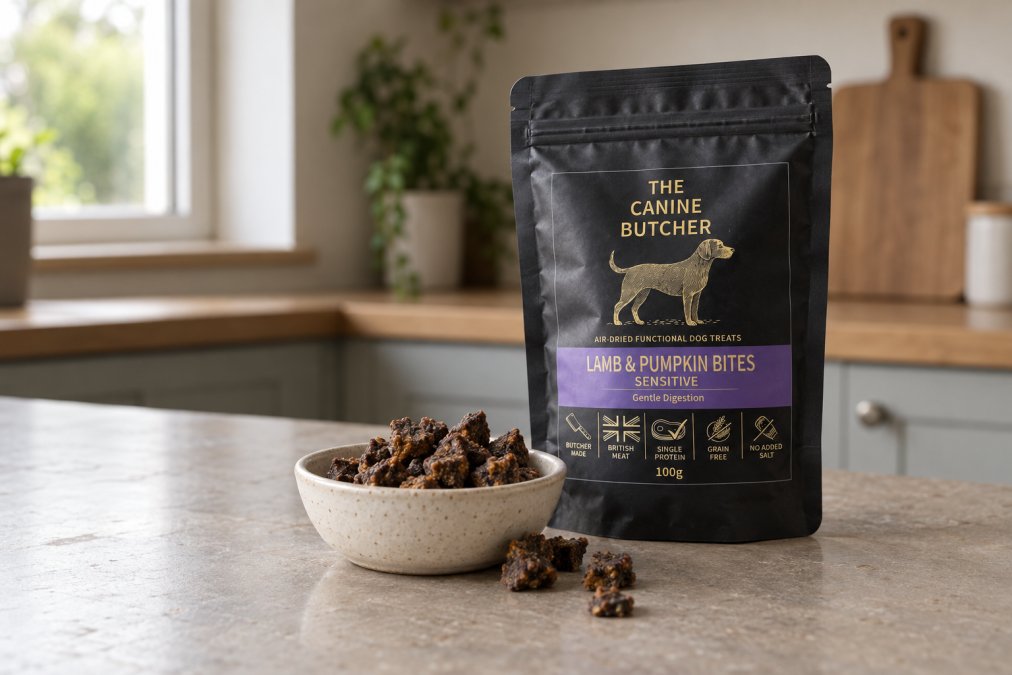
These ingredients appear in well-formulated treats designed specifically for sensitive dogs. Our Lamb & Pumpkin treats, for example, combine British lamb with pumpkin and a blend of supporting botanicals including ginger, turmeric, chamomile and fennel. This combination is deliberate: each ingredient plays a role in supporting your dog's digestive comfort.

Air-dried treats preserve these ingredients without synthetic preservatives. The gentle drying process keeps nutritional value intact while creating a naturally stable product.
Ingredients to avoid
Some ingredients commonly trigger sensitivity. These are worth avoiding:
- Wheat and corn, common allergens that upset many sensitive systems
- Soy, difficult for some dogs to digest
- Artificial colours and flavours, unnecessary and often problematic
- Added salt, puts extra strain on digestion
- Meat by-products, harder to digest than whole meat
- Multiple proteins mixed together, confuses the digestive process
- High fat content, can trigger loose stools in sensitive dogs
- Excessive fillers, bulk without nutrition
The best approach: start with treats that contain only what you recognise. If you can't pronounce an ingredient, your dog's sensitive system probably can't process it either.
Watch Out
Switching treats too quickly is a common mistake. Even with the "right" treat, introduce it gradually over 7-10 days, mixing small amounts with their current treat. Rushing this transition often triggers the very symptoms you're trying to avoid.
Portion Control and Feeding Schedules
Portion size matters as much as ingredient choice. A dog with a sensitive stomach needs consistency and moderation.
Treats should make up no more than 10% of your dog's daily calorie intake. The rest comes from their main meals. This balance is crucial. Too many treats, even the right ones, overwhelm the digestive system.
Establish a feeding schedule:
- Morning: main meal only
- Midday: optional small treat or training reward
- Evening: main meal only
- Before bed: optional small treat
This rhythm gives your dog's digestive system predictability. Consistency helps the gut bacteria settle and work efficiently.
Lamb & Pumpkin Bites – SENSITIVE →
Portion sizes depend on your dog's weight and activity level. A small treat might be one bite. A medium treat might be two. The key is restraint. Your dog's stomach needs time to process what it receives.
Watch your dog's energy and stool quality over the first two weeks. If stools firm up and energy improves, your portions and schedule are working. If problems persist, reduce portion size further and extend the time between treats.
Introducing New Treats to Dogs with Sensitive Stomachs
Introducing new treats requires a structured approach. Your dog's system needs time to adjust, even to the right food.
Follow the 7-10 day transition method:
- Days 1-2: 90% old treat, 10% new treat
- Days 3-4: 75% old treat, 25% new treat
- Days 5-6: 50% old treat, 50% new treat
- Days 7-8: 25% old treat, 75% new treat
- Days 9-10: 100% new treat
This gradual shift gives your dog's digestive bacteria time to adjust. Rushing this process often triggers the exact symptoms you're trying to prevent.
Monitor your dog throughout the transition:
- Check stool consistency daily
- Note energy levels and appetite
- Watch for any signs of discomfort
- Keep the food diary you started earlier
If problems appear at any stage, pause the transition. Stay at the current ratio for another 2-3 days before progressing. Some dogs need more time than others.
Once your dog is fully on the new treat, continue observing for a full week. If everything remains stable, you've found a winner. If problems emerge, you've identified that this treat isn't right for your dog's system.
When to Consult Your Vet
A dog diet plan for sensitive stomach sometimes needs professional guidance. Know when to involve your vet.
Contact your vet if:
- Symptoms persist despite dietary changes over 4-6 weeks
- Your dog shows signs of pain or extreme discomfort
- Vomiting or diarrhoea becomes severe or bloody
- Your dog stops eating or shows dramatic weight loss
- You suspect a specific food allergy rather than general sensitivity
- Your dog develops new symptoms alongside digestive issues
- You're unsure whether a symptom is normal or concerning
Your vet can rule out underlying conditions that look like sensitivity but require different treatment. They can also help identify specific protein allergies through elimination diets or other methods.
Bring your food diary to your appointment. The patterns you've documented help your vet understand what's happening and suggest next steps with confidence.
Conclusion
Building a dog diet plan for sensitive stomach is about removing irritants and adding support. Start with single-protein treats, introduce them slowly, and give your dog's system time to settle. Most dogs show improvement within 2-3 weeks once you've found the right approach.
At The Canine Butcher, our Lamb & Pumpkin treats are specifically designed for sensitive dogs. Made with British lamb, nutrient-rich offal, and a carefully selected blend of supporting botanicals, they're built on the principles we've covered here: simple ingredients, transparent sourcing, and genuine support for digestive comfort. No fillers, no added salt, no synthetic preservatives.
If your dog has struggled with sensitivity, these treats offer a straightforward, honest alternative to mass-produced options. Explore our air-dried treats and see which suits your dog best.
Frequently Asked Questions
What are the signs of a sensitive stomach in dogs?
Common signs include loose stools, frequent vomiting, excessive gas, or visible discomfort after eating. Some dogs may also show reduced appetite or seem restless after meals. If your dog shows persistent symptoms, consult your vet to rule out underlying conditions. Once you've identified sensitivities, a careful dog diet plan for sensitive stomach can help manage symptoms through thoughtful ingredient choices and gradual dietary transitions.
Why are single-protein treats better for dogs with sensitive stomachs?
Single-protein treats contain only one meat source, making it easier to identify which proteins your dog tolerates well. This simplicity reduces the risk of triggering digestive upset from multiple ingredients. When introducing new treats to dogs with known sensitivities, single-protein options let you test one ingredient at a time, so you'll know exactly what's causing any reaction. Our Lamb & Pumpkin treats are designed as a simple, high-meat option for dogs that need this straightforward approach.
How do I introduce new treats to a dog with a sensitive stomach?
Start with a very small piece and offer it alongside their regular food. Wait 24-48 hours to observe any digestive changes before increasing the amount. Introduce only one new treat at a time, so you can clearly identify what your dog tolerates. Gradual introduction over 7-10 days allows their digestive system to adjust. If any upset occurs, stop immediately and return to their previous diet. This cautious approach helps you build confidence in what works for your dog.
What ingredients should I avoid in treats for a sensitive stomach?
Avoid artificial preservatives, excessive fillers, added salt, and complex grain blends, as these commonly trigger digestive upset. High-fat treats can also be problematic for some dogs. Many commercial treats contain multiple proteins and additives that make it hard to identify what's causing issues. Look for treats with recognisable, simple ingredients, ideally single-protein options with minimal processing. Air-dried treats without synthetic preservatives offer a cleaner alternative to heavily processed options.